The Pit’s Chaotic July 4th: From Bomb Blasts to Medical Crises
The Pit's Season 2, Episode 9 plunges into a chaotic Fourth of July shift, marked by severe injuries, immigrant struggles, and systemic hospital failures. Noah Wy's historic awards sweep sets a high bar for the drama.

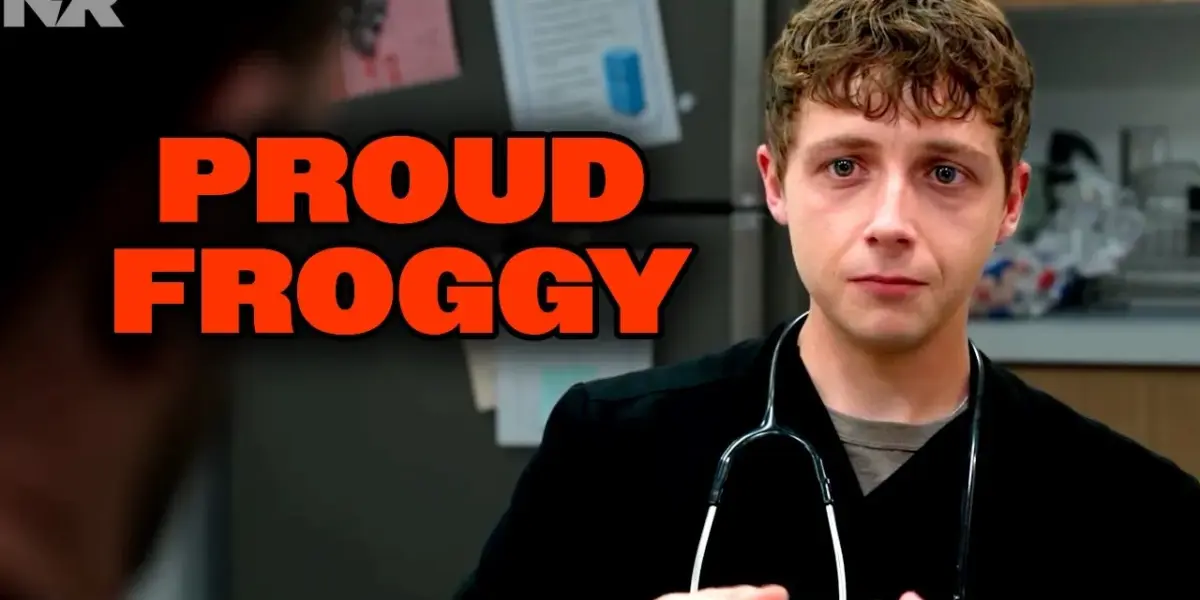
The Pit’s Season 2, Episode 9 Delivers High-Stakes Drama on the Fourth of July
The emergency room at The Pit is never a quiet place, but Season 2, Episode 9, airing during the chaotic 3 p.m. To 4 p.m.
Hour on the Fourth of July, throws the already strained staff into a whirlwind of medical emergencies, personal crises, and systemic breakdowns. This installment, directed by Sean Hattis and written by Cynthia Odarka, pushes the boundaries of what the dedicated pit crew can handle, particularly as the hospital grapples with a major computer systems shutdown.
Noah Wy’s Historic Awards Sweep Sets the Stage
Adding to the buzz surrounding the series, Noah Wy recently made history at the Actors Awards, clinching the award for Outstanding Performance by a Male Actor in a Drama Series for his role in The Pit. This win marks a monumental achievement, as Wy is the first male actor to sweep all five major industry awards in this category: the Actors Awards, the Emmys, the Golden Globes, the Critics’ Choice Awards, and the Television Critics Association Awards. His critical acclaim highlights the compelling performances and dramatic weight that The Pit brings to the screen.
A Holiday of Injuries and Immigrant Struggles
The episode wastes no time in plunging into the grim realities of a holiday ER. The first firecracker-related injury arrives early, a clear reminder of the dangers of celebratory pyrotechnics. Twelve-year-old Jude is brought in after a cherry bomb detonates prematurely in his hand, resulting in the loss of two fingers on his non-dominant left hand.
While a devastating injury, the medical team notes it’s the “best case scenario” for such an accident. This incident, however, triggers a cascade of complications when Jude’s blood alcohol content registers at 0.08. As Jude’s legal guardian following the deportation of their undocumented parents nine months prior, his older sister Shantel faces a terrifying social services evaluation.
The evaluator, Dylan, acknowledges Shantel’s capability as a guardian but raises the unsettling possibility of Jude being better placed back in Haiti. This introduces a poignant subplot reflecting the precarious situation of Haitian migrants in the U.S., many of whom have fled gang violence and government collapse only to face the potential end of their Temporary Protected Status.
The narrative also hints at broader systemic issues, with showrunner John Wells revealing discussions with HBO executives about incorporating an immigration and ICE storyline. Wells confirmed that an ICE-related plotline is indeed on the horizon, citing its prevalence in emergency room settings and a recent New York Times article detailing unnerving interactions between ICE officers and healthcare workers in Minneapolis. This foreshadows a potentially intense exploration of the intersection between immigration policy and healthcare access within the series.
Medical Mysteries and Disparities in Care
Beyond the immediate trauma of fireworks, the episode digs into complex medical cases that highlight existing disparities in healthcare. A 32-year-old woman presents with severe abdominal pain, later diagnosed with Polycystic Ovary Syndrome (PCOS).
She voices a common frustration among women and people of color: the struggle to be heard and properly diagnosed by the medical establishment. Statistics reveal that women and individuals of color are 20-30% more likely to face medical misdiagnoses than white men, a disparity that The Pit has consistently explored.
The severity of her condition is initially underestimated, but an ultrasound reveals a significant cyst, prompting observation that leads to the diagnosis of ovarian torsion—a twisting of the ovary that cuts off blood supply, potentially requiring its removal. This contrasts with a previous season’s simpler case of testicular torsion, emphasizing the delicate and sometimes life-altering nature of gynecological emergencies.
The episode starkly illustrates the consequences of systemic failures when another patient, Pearl, with abdominal pain, suffers a critical decline due to a delay in care. The digital system’s downtime means her name wasn’t properly noted on the board, and her initial X-ray went unread for an hour.
Dr. Garcia is furious, lamenting that the delay led to a situation requiring major surgery that could have been resolved with a simple rectal tube intervention an hour earlier. This storyline is a harsh critique of the impact of technological failures on patient outcomes and highlights the critical importance of clear communication and established protocols, especially when digital systems falter.
Navigating Personal Lives Amidst Professional Chaos
Amidst the medical maelstrom, personal relationships and individual struggles also take center stage. The potential romance between Garcia and Santos appears to be fizzling out, with Garcia making other plans when Santos inquires about fireworks. Santos, meanwhile, seems disillusioned with modern dating, grumbling to a patient about the difficulties of meeting people in real life.
Mel faces her own anxieties as her deposition looms. Her sister, Becca, arrives with a stomach ache, but before Mel can examine her, hospital attorney Morgan Styles (played by Allison Hastlip) escorts her away.
Dr. Langden takes over Becca’s examination, demonstrating a thoughtful approach by dimming the lights, a technique he learned from Mel for autistic patients, aiming to put Becca at ease and reassure Mel. This moment is observed by Robbie, who appears to be assessing Langden’s growth and trustworthiness, still harboring some resentment from past betrayals.
Roxy’s storyline continues to be one of the most emotionally taxing. Though her room is now adorned with personal touches and her family visits, offering comfort and her favorite salted caramel ice cream, the underlying tragedy is palpable. McKay watches, aware that this may be their last shared meal.
Roxy confesses to her husband the constant pain she’s endured, a secret kept to spare them worry. The escalating morphine dosages signal that her time is nearing its end, a heartbreaking prospect for her family and the audience.
A glimmer of hope emerges with Howard Knox, a patient with a perforated colon, who faces a perilous surgery. Before going under, he expresses a desire to speak with his estranged sister.
Dr. Abbott facilitates this reunion via a phone call, and the siblings reconcile, offering a poignant moment of connection amidst life-threatening circumstances. The audience is left hoping for Howard’s survival, especially given Roxy’s impending fate.
Moments of Growth and Support
Whitaker finally receives his new doctor badge, a moment of recognition celebrated by Robbie, who expresses pride in his achievements. Robbie uses this occasion to offer Whitaker crucial advice about setting boundaries, gently reminding him to prioritize his own well-being while acknowledging his dedication to helping “farm girl Amy.” Robbie then offers Whitaker a significant opportunity: to housesit for him during his upcoming sabbatical. This thoughtful gesture serves multiple purposes: providing Whitaker with his own space away from Santos, helping him save money, and giving him a new focus beyond his constant support of Amy, ensuring he doesn’t succumb to burnout.
Dana, still struggling with her attempt to quit smoking, has a brief but meaningful conversation with Emma. Dana praises Emma’s handling of a previous assault victim, Alana, and Emma reveals her strategy: informing Alana that she could preserve the option to press charges in the future.
This prompts speculation about whether Dana herself will pursue charges against her assailant. Dana reassures Emma that while every day is challenging, she’s nearing the end of her first day, proof of her resilience.
To combat the chaos of the system shutdown, Dana calls in a favor from Monica Peters (played by Rusty Shrimmer), a retired clerk laid off due to the “digital revolution.” Monica, with her decade of experience and comfort with low-tech methods, quickly brings order back to the ER, efficiently managing tasks without computer assistance. Her presence highlights another character potentially wary of emerging technologies like generative AI apps.
A Cliffhanger Ending and Lingering Questions
The episode concludes with a dramatic cliffhanger: a water slide collapse at a local water park, resulting in at least one fatality and multiple injuries. With other nearby ERs potentially shut down, this mass casualty event is poised to become the season’s major crisis, leaving viewers eager to see how the exhausted and systems-challenged Pit staff will cope.
Miscellaneous observations from the episode include Princess’s cunning exploitation of insider information regarding the shutdown and her subsequent payoff to keep quiet, as well as her consistent flirtatious nature. Jackie and her friend also attempt to flirt with Langden.
A hint of Oglevie’s backstory emerges when a patient’s mention of his English teacher father triggers a guarded response, suggesting a complex relationship with his own teacher father. Digby earns praise for his contributions, and Robbie’s newfound attention to his own needs, including taking bathroom breaks, is noted.
The episode closes with Robbie and Dr. Abbott sharing a poignant farewell as Robbie embarks on his sabbatical. Abbott, recalling how Robbie once helped him through a dark period, offers words of support and encourages him to call if things get difficult, bringing a full-circle moment to their relationship. The episode leaves viewers with much to ponder, from the impending mass casualty event to the personal journeys of the characters.
Source: THE PITT Season 2 Episode 9 Explained! (YouTube)

Related Articles

The Pitt Finale Leaves Fans in Tears, Sets Up Season 3
The season 2 finale of The Pitt delivered an emotional climax, focusing on Dr. Robbie's burnout and the team's struggles. Key plot points included Dr. Al's health crisis, the formation of new friendships, and a high-stakes birth that led to Robbie's personal turning point. The episode sets a hopeful, yet challenging, path for season 3.

TV Doctors Reveal Real-Life Hospital Drama Secrets
Doctors react to "The Pitt," revealing the surprising realities of CPR, the dangers of alcoholism-related bleeding, and how TV medical dramas balance drama with accuracy. Learn about mental health portrayals and the evolving role of technology in hospitals.
The Pit: Robbie’s Future Hangs in the Balance!
In the penultimate episode of The Pit, Robbie grapples with his future, while Dr. Langden performs a life-saving procedure. The hospital staff deals with a chaotic 4th of July shift, personal revelations, and the looming departure of their chief.