Iran Denies Seeking Ceasefire or Talks With U.S.
Iran's Foreign Minister has declared that the nation is not seeking a ceasefire or engaging in negotiations with the United States, citing past U.S. actions as a reason for mistrust. The top diplomat also addressed concerns over the Strait of Hormuz, stating that while not currently closed, Iran will "consider every scenario" if the war continues.

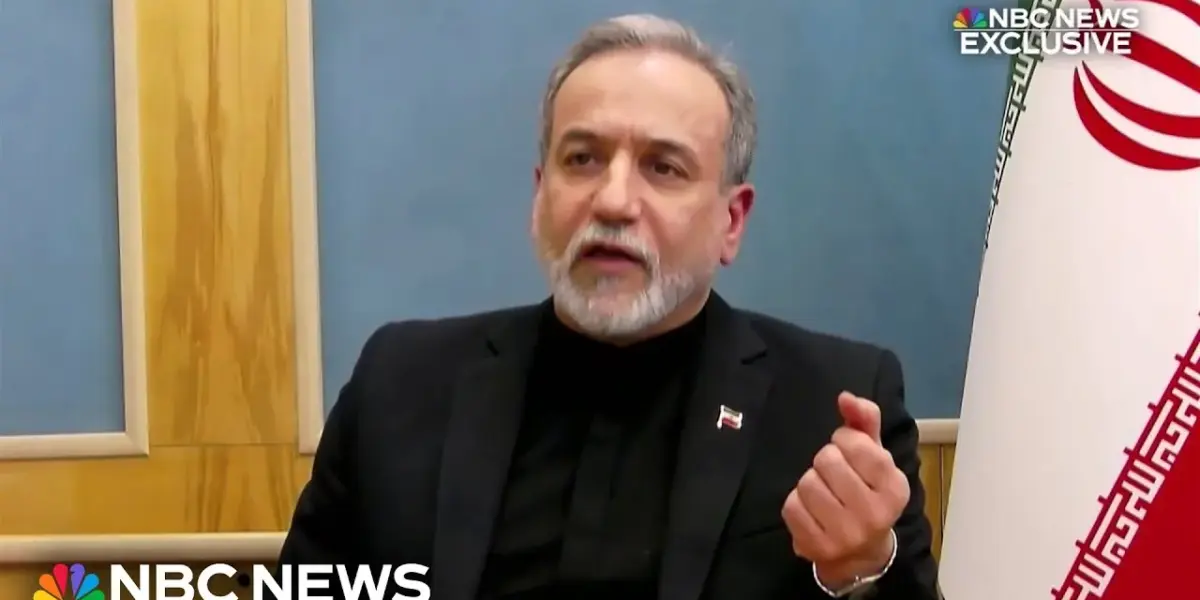
Iran’s Top Diplomat: No Ceasefire, No Talks With U.S.
Tehran, Iran – Iran’s Foreign Minister has unequivocally stated that the nation is not seeking a ceasefire and sees no reason to negotiate with the United States, citing past U.S. Actions during previous negotiation attempts. The remarks, made in a recent interview, highlight the current adversarial stance between the two nations amidst ongoing regional tensions.
Rejection of Negotiation and Mistrust of U.S. Intentions
In a direct response to questions about a potential ceasefire, the Iranian Foreign Minister stated emphatically, “We are not asking for a ceasefire.” He further elaborated on the nation’s reluctance to engage in dialogue with Washington, explaining, “And we don’t see any reason why we should negotiate with the U.S. When we negotiated with them twice, and every time they attacked us at the middle of the negotiations.” This sentiment highlights a deep-seated mistrust of U.S. Intentions and a perception that diplomatic efforts have been undermined by American military actions in the past.
The minister asserted that Iran has not initiated any communication with the U.S. Regarding negotiations. “So there is no request for a ceasefire by us. And there is no request for a negotiation with the U.S. From us.
We have never sent any messages to them,” he clarified. This firm stance suggests that any de-escalation or diplomatic breakthrough would likely require a significant shift in approach from the U.S. Side, or a change in the geopolitical landscape.
Addressing Concerns Over Direct Attacks on U.S. Soil
When questioned about the possibility of Iran attacking the American homeland with its current arsenal, the minister dismissed the notion. “No, they have enough bases around us, why we should do further than that,” he stated, implying that Iran’s strategic focus remains regional rather than directly targeting the U.S. Mainland.
He elaborated on the perceived military overreach of the United States in the region, noting, “They have enough soldiers, enough, you know, military assets, and they have enough military bases and military installations. So we don’t need to go beyond that.” This perspective suggests that Iran views the U.S. military presence as a significant factor in regional security dynamics, and its own military posture is a response to this perceived threat.
Strait of Hormuz: A Strategic Chokepoint Under Scrutiny
The vital Strait of Hormuz, a critical chokepoint for global oil transport, has been a focal point of international concern due to the ongoing conflict. While Iran has not officially closed the strait, the minister acknowledged that international shipping has voluntarily reduced passage due to security fears.
“They have not closed it. It is the ships and tankers who don’t try to pass through the — to cross the strait, because they are, you know, concerned about being hit by either side,” he explained. This indicates that the perceived threat, rather than an active blockade, is currently impacting maritime traffic.
Regarding potential future actions, the minister stated, “We have no intention to close it right now. But as the war continues, we will consider every scenario.” This leaves the door open for Iran to potentially weaponize the strait if the conflict escalates or if it perceives its interests to be under severe threat. He reiterated that for the time being, no such action has been taken, but noted the strait is currently operating with significantly fewer vessels due to the prevailing security concerns.
International Oil Tankers: Not Current Targets, But Future Possibilities
Addressing the specific question of whether international oil tankers are potential targets for Iran, the minister responded, “No, why should — why — why they should be targeted — you know, go for us?” He refuted claims that Iran has threatened such vessels.
“No, we have not threatened them. You know, they have — they are concerned themselves, and they don’t use the Strait of Hormuz, because of the concerns they have to be hit by either side,” he reiterated, placing the onus of reduced traffic on the shipping companies’ own risk assessments.
No Back-Channel Communications Confirmed
The interview also sought to clarify whether any private communications or back-channel talks were occurring between Iran and U.S. officials, particularly mentioning individuals like Steve Witkoff or Jared Kushner. The minister definitively denied any such exchanges. “No.
There’s no communication with you and Steve Witkoff or Jared Kushner? No, no, not after Thursday, that we met last time,” he stated.
He did, however, allude to a recent, lengthy negotiation session. “We met last Thursday, we negotiated for almost seven hours. They were so happy when they left the negotiation table, because we were able to make significant progress as the Foreign Minister said, in his statement, and he checked his statement, and both sides agreed.” This reference to a successful, albeit past, negotiation session with an unspecified party suggests that while direct talks with the U.S. are currently off the table, diplomatic engagements in other capacities may still be occurring, potentially yielding progress on certain issues.
Looking Ahead: Escalation Risks and Diplomatic Stasis
The Iranian Foreign Minister’s firm stance against seeking a ceasefire or initiating negotiations with the U.S. Signals a period of continued diplomatic standoff. The implicit threat to consider all scenarios regarding the Strait of Hormuz, coupled with the existing regional instability, suggests that maritime security and the potential for economic disruption remain high. All eyes will be on whether the current geopolitical climate forces a change in approach from either side, or if the path forward remains one of sustained tension and mistrust.
Source: Iranian foreign minister says there is 'no request for a ceasefire' (YouTube)

Related Articles
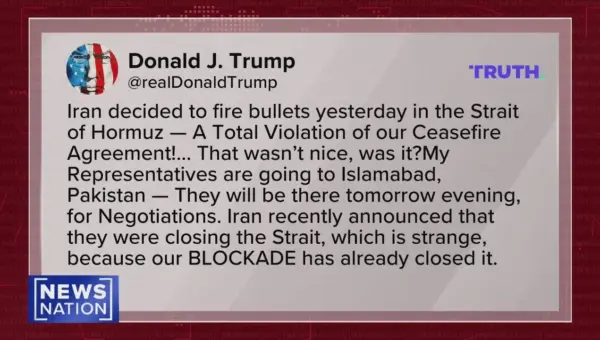
Trump Claims Iran Violated Ceasefire in Hormuz Strait
President Trump accused Iran of violating a ceasefire by firing on ships in the Strait of Hormuz. Conflicting reports and "media warfare" from both sides create confusion. The situation impacts global oil prices and highlights the ongoing diplomatic challenges.


Strait of Hormuz Reopens, Easing Global Oil Fears
The Strait of Hormuz has reopened, potentially easing global economic pressures and lowering oil prices. Meanwhile, singer D4vd has been arrested on suspicion of murder, with new details emerging about the case. A broader investigation is underway into the suspicious deaths and disappearances of 11 scientists involved in sensitive US research.

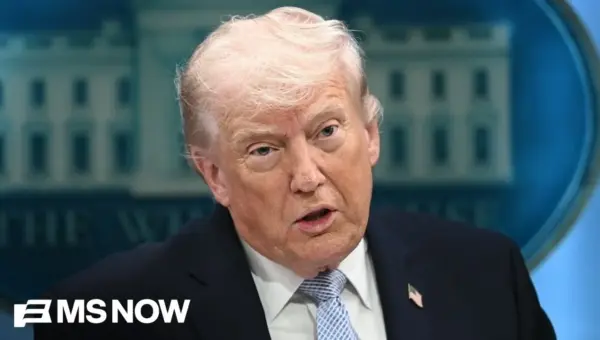
Trump Mulls Cuba Action Amid Secret Talks, Pentagon Prep
U.S. officials held secret talks in Cuba while the Pentagon reportedly planned military options, raising questions about future U.S. policy. An expert believes military action is unlikely due to Cuban military loyalty and economic interests, suggesting a focus on economic reforms instead.