Europe’s Crisis: US Actions Ignite Regional Instability
A critical analysis reveals that European nations view escalating U.S.-Iran tensions as a direct threat, not a distant conflict. Unilateral U.S. actions risk dragging Europe into war, destabilizing its economy, and undermining its security interests.

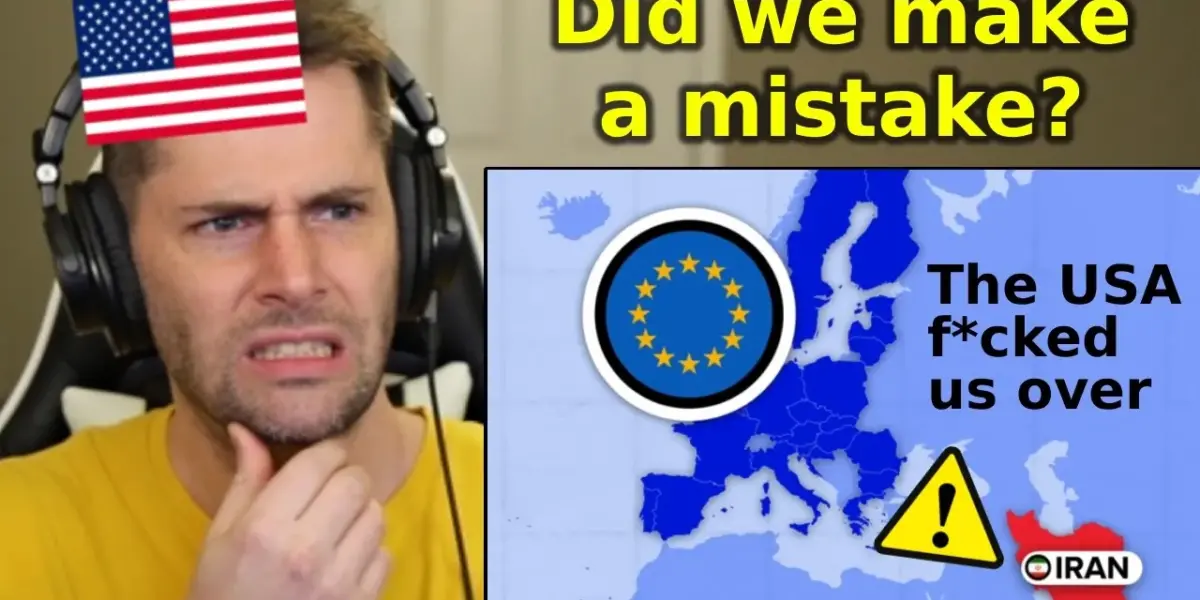
Europe’s Crisis: US Actions Ignite Regional Instability
A recent analysis of European perspectives on the escalating tensions between the United States and Iran reveals a stark disconnect in how the conflict is perceived and experienced across the Atlantic. While often viewed as a distant geopolitical event by many Americans, the implications for Europe are immediate, visceral, and potentially devastating, threatening to drag the continent into a conflict it neither initiated nor desires.
The Proximity Problem: War on Europe’s Doorstep
The core of the European concern lies in the geographical proximity of the conflict. The video highlights that for European nations, the eruption of hostilities in the Middle East is not an abstract news item but a war on their doorstep.
This is compounded by the presence of U.S. military bases within European countries, which have become potential targets or staging grounds, effectively drawing Europe into the crossfire. The analysis points out that decisions made unilaterally by the United States can have far more direct and dire consequences for European citizens than for Americans, leading to a profound sense of vulnerability and resentment.
A Diplomatic Misstep: Allies Left in the Dark
A significant point of contention raised is the apparent lack of consultation between the United States and its European allies, particularly within NATO and the EU, before the initiation of military action against Iran. The video suggests that key European leaders and governments, including those considered close allies like Italy, were not informed of impending attacks.
This unilateral approach is seen not only as disrespectful but as a dangerous oversight, undermining trust and potentially forcing European nations into a reactive, defensive posture. Spain’s explicit refusal to allow its military bases to be used for attacks on Iran, and the subsequent retaliatory trade threats from the U.S., exemplify the strained diplomatic landscape.
Tangible Threats: European Personnel Under Fire
The conflict’s spillover effects are already impacting European interests and personnel. Reports indicate that British and European individuals have come under fire in the Persian Gulf, and EU member Cyprus, with its significant British military presence, faces direct risks of attack from Iran and its proxies. This direct exposure to Iranian retaliation highlights the immediate danger faced by European nations, transforming the conflict from a distant concern into a tangible threat to safety and security.
Economic Fallout: Energy Shocks and Inflation Fears
Beyond direct military threats, the economic ramifications for Europe are equally alarming. The disruption of shipping through the Strait of Hormuz, a critical chokepoint for global oil supply, has already triggered a sharp surge in energy prices. European oil prices have reached multi-year highs, and gas prices have seen significant increases, threatening to reignite inflation across economies already struggling with economic instability.
This situation poses a particular threat to Central and Eastern European economies heavily reliant on energy imports. Higher energy prices could inadvertently strengthen Russia’s finances, providing a much-needed fiscal boost as it continues its war in Ukraine, a consequence that appears to have been overlooked by U.S. Strategists.
Geopolitical Repercussions: Ukraine and Refugee Crises
The diversion of attention and resources to the Middle East also raises concerns about the ongoing conflict in Ukraine. European and Western partners may be compelled to increase their military presence in the Middle East, potentially diverting crucial aid and attention away from Ukraine.
This shift could create openings for Russia to exploit, prolonging the war in Eastern Europe. The potential for protracted civil conflict in Iran raises the specter of a new wave of refugees seeking safety in Europe, adding another layer of logistical and political complexity to an already strained continent.
Why This Matters
This analysis underscores a critical deficiency in U.S. Foreign policy decision-making: a lack of consideration for the broader geopolitical consequences and the perspectives of its closest allies. The assumption that the U.S. can act unilaterally without significant repercussions for its partners is not only arrogant but strategically unsound. The European experience highlights that international relations are not a zero-sum game where one nation’s actions occur in a vacuum.
The interconnectedness of global security, economics, and diplomacy means that unilateral decisions, particularly those involving military conflict, can have cascading negative effects that undermine stability far beyond the intended zone of operations. It forces a re-evaluation of what constitutes true leadership in international affairs – one that prioritizes consultation, shared responsibility, and a comprehensive understanding of interconnected global challenges.
Historical Context and Future Outlook
The current tensions echo historical patterns of U.S. Foreign policy where unilateral actions have often led to unintended consequences and strained alliances. The post-World War II era saw the U.S. Championing a multilateral approach through organizations like NATO. However, recent years have seen a drift towards a more transactional and often unilateral foreign policy, which this analysis suggests is alienating traditional allies and creating instability.
The future outlook depends heavily on whether the U.S. can recalibrate its approach to one that values diplomacy and alliance-building over unilateral military action. For Europe, the challenge lies in navigating these turbulent geopolitical waters while protecting its own interests and maintaining its commitment to international law and stability, even when its primary ally acts in ways that seem to disregard these principles.
Conclusion
The European perspective on the U.S.-Iran conflict reveals a continent bracing for fallout from decisions made elsewhere. It highlights the urgent need for greater transatlantic dialogue and a more integrated approach to foreign policy. The current situation is a potent reminder that in an increasingly complex world, isolationist or unilateral actions, no matter how seemingly justified to the actor, can have profound and detrimental consequences for allies and global stability alike.
Source: American Reacts to Europe's Perspective on USA-Iran War (YouTube)

Related Articles
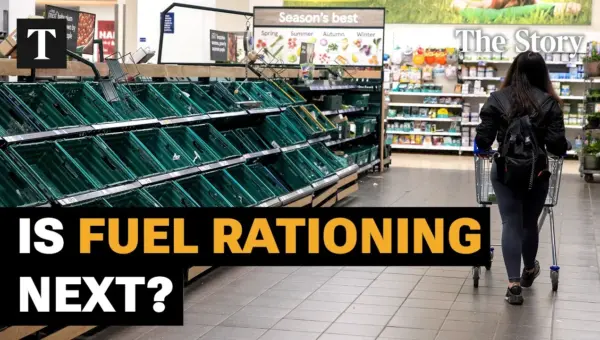
Iran War Fuels UK Crisis: Britain Faces Shortages
The closure of the Strait of Hormuz due to the Iran war is threatening to upend life in Britain, with experts warning of potential shortages of fuel, food, and essential goods. Experts and former crisis planners discuss the UK's preparedness, the impact of CO2 shortages, and the need for both government action and public resilience.
Trump Seeks Iran Ceasefire, Targets China Banks
President Trump is pursuing a 10-day ceasefire between Lebanon and Israel while also imposing financial pressure on Iran. U.S. Treasury has warned two major Chinese banks against facilitating Iranian money transfers, citing potential secondary sanctions. This dual approach aims to de-escalate regional tensions and curb Iran's financial capabilities.

US Troops Surge Amidst Conflicting Signals on Iran War
The US is sending thousands more troops to the Middle East amidst conflicting signals about the Iran war. President Trump claims the war is nearly over, yet military deployments suggest otherwise. Meanwhile, a dispute with the Pope escalates, and a missing wife case takes a concerning turn.