Trump’s Media War Fuels Authoritarianism, Undermines Truth
The Trump administration's sustained attacks on the media are not just about policy; they actively foster distrust, creating a vacuum where authoritarianism can thrive. This strategy erodes objective truth, making citizens vulnerable to manipulation and undermining democratic principles.

Trump’s Media War Fuels Authoritarianism, Undermines Truth
In an era defined by hyper-partisanship, the Trump administration has waged a relentless war against the media, a conflict that extends far beyond policy disagreements into a fundamental assault on truth itself. This ongoing battle, characterized by accusations of “fake news” and the labeling of legitimate reporting as politically motivated “gotcha” questions, creates a dangerous vacuum where authoritarian tendencies can flourish.
The Administration’s Narrative Control Gambit
The core of this media war, as highlighted in recent pronouncements, is an attempt to control the narrative, particularly concerning foreign policy. When discussing actions related to Iran, for instance, the administration’s messaging often contrasts perceived strategic successes, such as “taking control of Iran’s airspace and waterways without boots on the ground,” with the media’s focus on negative events like drone incursions or casualties.
The argument presented is that the press “only wants to make the president look bad,” and therefore, fails to report the “reality” of these successes. This framing suggests that any reporting of negative outcomes is an intentional effort to undermine the administration, rather than a factual account of events.
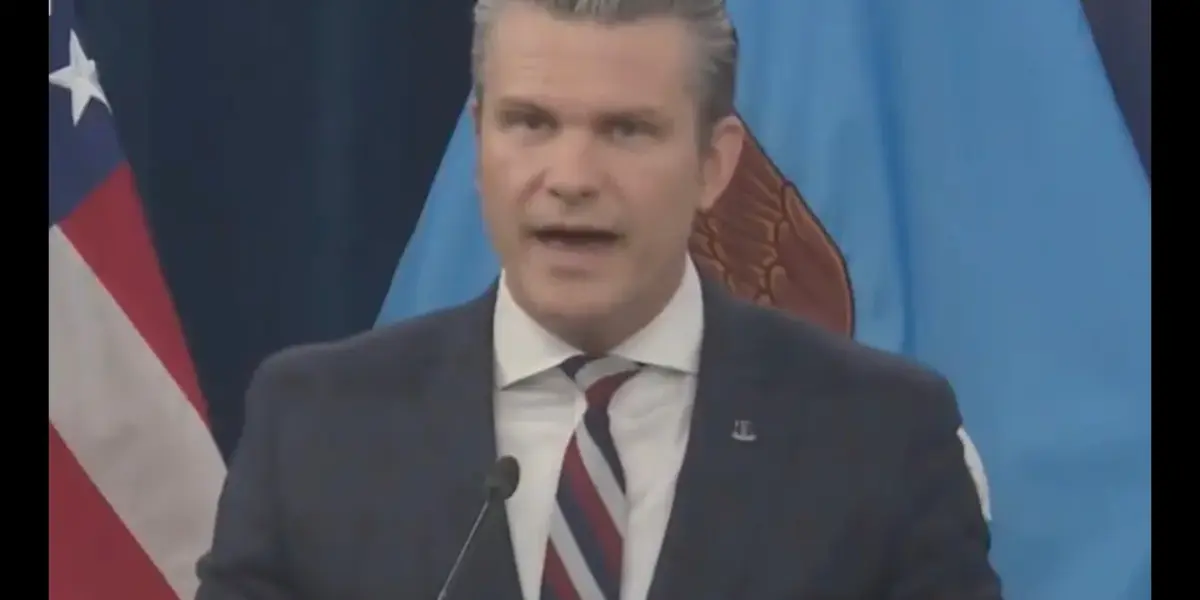
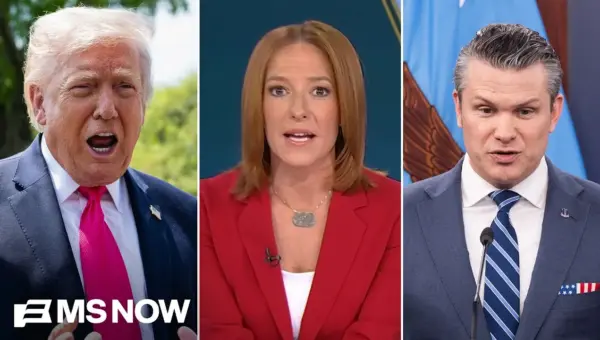
Pete Hegseth, a prominent voice within this narrative, exemplifies this stance. His commentary suggests a desire for a media landscape that exclusively celebrates presidential achievements, dismissing critical reporting as unprofessional.
This viewpoint dismisses the fundamental role of journalism in holding power accountable, reducing it instead to a cheerleading squad for the executive branch. The administration’s justification for its confrontational approach often cites the perceived bias of major news outlets, particularly CNN and The New York Times, which are accused of trying to “spin it for their own political reasons to try to hurt President Trump or our country.”
Historical Context: A Pattern of Distrust
The Trump administration’s animosity towards the press is not an isolated phenomenon but rather a continuation and amplification of a long-standing tension between political leaders and journalists. However, the intensity and directness of Trump’s attacks on news organizations and individual reporters are arguably unprecedented in modern American history. This strategy has roots in a broader populist playbook that often seeks to delegitimize established institutions, including the media, to consolidate support among a base that feels alienated by mainstream narratives.
The historical role of the press has been to act as a watchdog, to investigate, and to inform the public, even when that information is inconvenient or critical of those in power. Historically, presidents have engaged with the press, sometimes contentiously, but the Trump administration’s rhetoric has often moved beyond criticism to outright dismissal and delegitimization, fostering an environment where distrust in journalism becomes a core tenet.
The Erosion of Truth and the Rise of Authoritarianism
The most concerning implication of this sustained media war is its corrosive effect on the concept of objective truth. When an administration consistently attacks the credibility of news sources and promotes alternative narratives, it erodes the public’s ability to discern fact from fiction.
As the transcript notes, “When Donald Trump, Pete Hgsth, Caroline Levit, or anyone else sews distrust in the media, it immediately lends itself to the idea that truth as a whole is obliterated. No one knows what to believe.”
This manufactured confusion is precisely the environment in which authoritarianism thrives. In the absence of reliable information, citizens become more susceptible to simplistic solutions and strongman leadership.
The transcript draws a clear parallel: “Chaos is their friend. Because when people don’t know what to believe, their lies can take hold.” This tactic is not new; authoritarians throughout history have sought to control information flow and discredit independent sources to maintain power.
Specific Examples and Tactics
The transcript points to several examples of this strategy in action:
- Iran Policy: The administration’s framing of the conflict with Iran, emphasizing strategic control while downplaying negative events, aims to present a picture of unwavering success, even when actions are questionable or lack clear strategy. The argument that Iran’s nuclear program was “obliterated” before military action is questioned, highlighting a potential contradiction.
- Casualties and Media Coverage: The frustration expressed over front-page news regarding the deaths of service members suggests an administration that wants to control the narrative around military actions, wanting to avoid coverage that could be perceived as negative, even when reporting factual events.
- “Gotcha” Questions vs. Accountability: The dismissal of questions about the duration of a war or the justification for military actions as “gotcha” questions serves to deflect from substantive policy discussions and accountability.
- Social Media and Censorship: The concern is raised that the administration can lean on social media platforms to suppress critical voices, further limiting the dissemination of information that challenges the official narrative.
Why This Matters
The sustained assault on the media by the Trump administration, and by extension figures like Pete Hegseth, is not merely a political spat; it is a fundamental threat to democratic principles. A free and independent press is a cornerstone of any healthy democracy, serving as a vital check on governmental power and an essential source of information for an informed citizenry. When trust in this institution is systematically undermined, the public becomes vulnerable to manipulation and the erosion of democratic norms.
The administration’s strategy relies on making the public doubt everything they hear and see, thereby creating an opening for leaders to present themselves as the sole arbiters of truth and the only ones capable of imposing order. This is a dangerous pathway that can lead to the normalization of authoritarian tactics, where critical inquiry is suppressed, and dissent is framed as disloyalty.
Implications, Trends, and Future Outlook
The trend of political leaders attempting to control the media narrative and discredit opposing voices is likely to continue. The effectiveness of such tactics, especially when amplified by social media, poses a significant challenge for the future of journalism and informed public discourse. The reliance on social media platforms, which are themselves subject to political pressure, further complicates the landscape.
The future outlook depends on the resilience of journalistic institutions and the public’s commitment to seeking out and supporting credible news sources. It also hinges on the ability of citizens to recognize and resist the manipulation tactics that seek to sow confusion and distrust. The long-term consequence of a populace that cannot agree on basic facts is a weakened democracy, more susceptible to demagoguery and authoritarianism.
Ultimately, the war waged by the Trump administration against the media is a strategic effort to shape public perception by any means necessary. Its success hinges on the public’s willingness to accept the administration’s narrative over factual reporting. The danger lies not just in the potential for policy missteps, but in the systematic dismantling of the very mechanisms that allow for public scrutiny and accountability, enabling a more perilous political future.
Source: Pete Hegseth STUNS with INSANE announcement | Another Day (YouTube)

Related Articles

Mayor Mamdani Navigates First 100 Days, Dodging GOP Attacks
New York City Mayor Zohran Mamdani has successfully navigated his first 100 days, largely avoiding the political attacks Republicans had hoped to launch. His strategic approach to media and governance has kept him out of the national spotlight as an easy target. This success could influence how Democrats approach policy and messaging nationwide.
Sykes: Trump Uses “Mass Distraction” Amid Global Conflict
Charlie Sykes described Donald Trump's rhetoric as a "weapon of mass distraction," arguing that it serves to divert attention from critical issues and policy debates. Sykes criticized Trump's demand for absolute loyalty, even from religious figures, and questioned the authenticity of religiously-based political justifications.

US Troops Hungry Amidst Iran Tensions, Congress Questions Strategy
Reports indicate U.S. troops in the Middle East are facing hunger amid escalating tensions with Iran. While a ceasefire between Israel and Lebanon was announced, questions linger about its stability. Meanwhile, Congress is scrutinizing the Trump administration's strategy, troop welfare, and the potential politicization of military leadership.