Iran Conflict Fuels Gas Price Surge: Rattner Warns of ‘Impact at the Pump’
Geopolitical analyst Steve Rattner warns that the conflict involving Iran is already driving up gas prices nationwide. Markets are reacting to the risk of disruptions in the vital Strait of Hormuz, a key global oil shipping route.

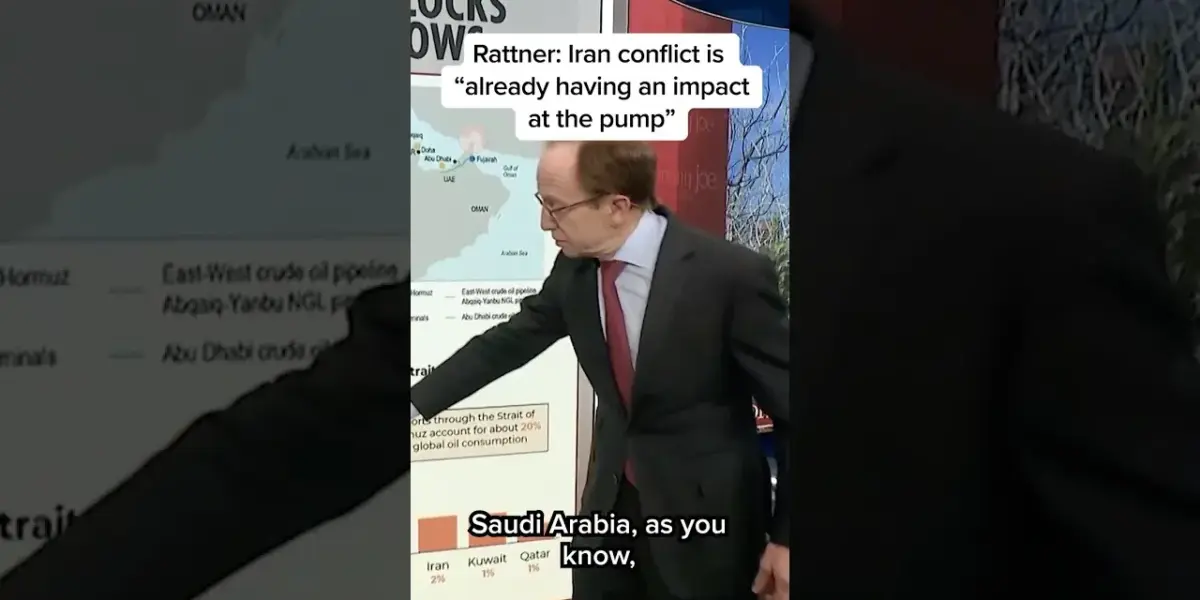
Oil Prices Spike Amid Iran Tensions, Affecting Consumers
The escalating conflict involving Iran is already making its presence felt at the gas pump, with prices seeing a noticeable increase in recent days. Steve Rattner, chief economic analyst for Morning Joe, highlighted the direct correlation between heightened geopolitical risks and the cost of fuel for everyday consumers, stating that the conflict is “already having an impact on what people pay at the pump.” This sentiment highlights the delicate balance of global energy markets and their susceptibility to regional instability.
Nationwide Gas Prices Climb as Markets React
Rattner pointed to a specific and rapid escalation in fuel costs, noting that nationwide average gas prices have climbed from approximately $2.98 to $3.11 in a matter of days. This sharp uptick is not an isolated incident but a direct market reaction to the perceived threat of disruptions in the Strait of Hormuz.
The Strait, a vital chokepoint for global oil shipments, is a critical artery for the world’s energy supply. Any threat to its stability, real or perceived, can send shockwaves through the oil market, leading to immediate price adjustments.
The Strait of Hormuz: A Critical Nexus for Global Oil
The Strait of Hormuz, a narrow waterway connecting the Persian Gulf to the Gulf of Oman, is of paramount importance to the global economy. Approximately one-fifth of the world’s total oil consumption, or about 21 million barrels per day, passes through this strategic passage.
Its vulnerability to military or political actions makes it a constant source of anxiety for energy markets. The current tensions have amplified these concerns, prompting traders and investors to price in a higher risk premium for oil, which ultimately translates to higher prices at the pump for consumers.
Expert Analysis: Geopolitical Risk Premium at Play
Steve Rattner’s analysis emphasizes the concept of a ‘geopolitical risk premium’ being factored into oil prices. This premium is an additional cost added to the price of a commodity, such as oil, to account for the possibility of future supply disruptions due to political instability or conflict.
In this instance, the increased military activity and heightened rhetoric surrounding Iran have triggered this premium. Markets are essentially anticipating potential negative outcomes, such as blockades, attacks on shipping, or other forms of escalation, and adjusting prices accordingly to reflect this uncertainty.
Broader Economic Implications Beyond Fuel Costs
The impact of rising gas prices extends far beyond the individual filling up their car. Higher fuel costs can ripple through the entire economy, affecting transportation, logistics, and the price of goods and services.
Businesses that rely heavily on transportation, such as trucking companies and airlines, face increased operational costs, which are often passed on to consumers in the form of higher prices for products and services. This can lead to a general increase in inflation, potentially slowing economic growth and impacting household budgets.
Consumer Sentiment and Economic Outlook
The immediate effect of higher gas prices is a reduction in discretionary spending by consumers. When more money is spent on essential items like fuel, less is available for other purchases, potentially dampening demand for a wide range of goods and services.
This can create a challenging environment for businesses and policymakers alike, as they navigate the complexities of maintaining economic stability amidst external shocks. The current situation highlights the interconnectedness of global politics and domestic economic well-being.
What to Watch Next
As tensions surrounding Iran continue to evolve, markets will remain highly sensitive to any developments that could affect oil supply. Investors and consumers will be closely monitoring diplomatic efforts, military posturing, and any direct impacts on shipping through the Strait of Hormuz.
The duration and intensity of the conflict, alongside the responses from global powers, will be key determinants of future oil price movements and their broader economic consequences. Any further escalation could lead to sustained higher gas prices, while de-escalation might offer some relief.
Source: Rattner: Iran conflict is 'already having an impact at the pump' (YouTube)

Related Articles


Ukraine Strikes Deep: Russia Reels From Drone Attacks
Ukrainian drones have successfully struck Russian port facilities deep within Russia, highlighting air defense vulnerabilities and causing panic on Russian state television. The attacks aim to disrupt Russia's war economy, while Moscow struggles with internal internet restrictions and continues its propaganda efforts.


Stocks Surge 10.7% in 11 Days as Investors Eye Mideast Calm
The stock market has seen a rapid surge of 10.7% in 11 trading days, fueled by hopes of a Mideast cease-fire and strong corporate earnings. Gasoline prices may soon dip below $3 a gallon. Excitement around AI is also driving investor optimism.
Iran Nuclear Talks Collapse: Blockade Looms, Prices Soar
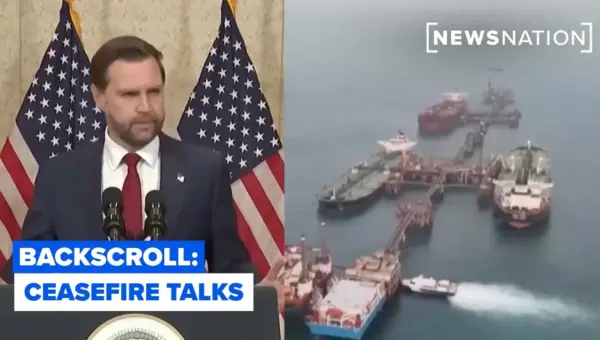
U.S.-Iran nuclear talks have failed, leading President Trump to announce a naval blockade of the Strait of Hormuz. The breakdown centers on Iran's commitment to nuclear non-proliferation. This action is expected to cause significant increases in global fuel and air travel prices.