US Sub Sinks Iranian Ship in Indian Ocean
A U.S. submarine has sunk an Iranian naval vessel in the Indian Ocean, marking the first such engagement since World War II. The incident occurred in international waters, with Sri Lanka's navy reporting the rescue of 32 individuals from the Iranian ship IRIS Dena. This event escalates regional tensions amidst ongoing retaliatory actions.

US Sub Sinks Iranian Ship in Indian Ocean
In a significant escalation of regional tensions, a United States submarine has sunk an Iranian naval vessel in international waters of the Indian Ocean. The incident, confirmed by the Pentagon, marks the first time a U.S. Submarine has sunk an enemy ship with a torpedo since World War II. The White House held a press briefing following the confirmation, addressing the implications of this rare and aggressive naval action.
Pentagon Confirms Strike on Iranian Vessel
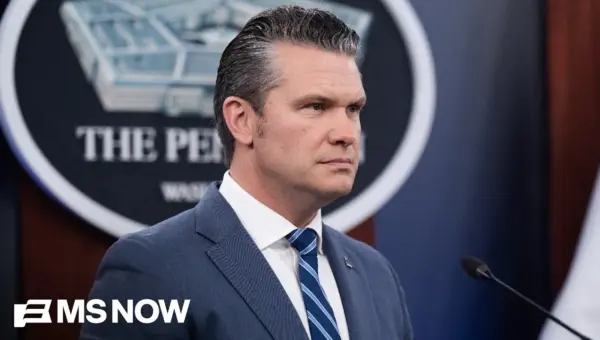
Defense Secretary Pete Hegseth announced that a U.S. Submarine engaged and sank an Iranian ship. While details regarding the specific submarine and the Iranian vessel involved remain limited, the confirmation from the Pentagon highlights the gravity of the situation. The engagement occurred in international waters, a move that carries significant diplomatic and military weight.
Sri Lanka Navy Rescues Survivors
Earlier reports indicated that the Sri Lanka Navy had rescued 32 individuals following a distress call from an Iranian navy ship identified as the IRIS Dena. This rescue operation suggests that the IRIS Dena was the vessel targeted in the U.S. Submarine’s action. The fate of the remaining crew members and the precise circumstances leading to the distress call are still under investigation.
Escalating Retaliation and Regional Instability
The U.S. Action comes amidst a backdrop of escalating retaliation from Iran, which has targeted U.S. Sites, travel hubs, and oil facilities across the Gulf region. These Iranian actions have prompted Washington to take urgent measures to ensure the safety of Americans in the Middle East, including advisories for departure. The sinking of the Iranian ship is likely to further inflame these retaliatory cycles, potentially leading to a broader regional conflict.
Historical Context and Strategic Implications
The use of a submarine to sink an enemy vessel is a rare occurrence in modern naval warfare, with the last confirmed instance involving U.S. forces dating back to World War II. This strategic decision by the U.S. military signals a shift towards more direct and assertive engagement in the face of perceived threats. The operation in international waters also raises questions about freedom of navigation and the potential for miscalculation in a highly volatile region.
White House Response and Future Outlook
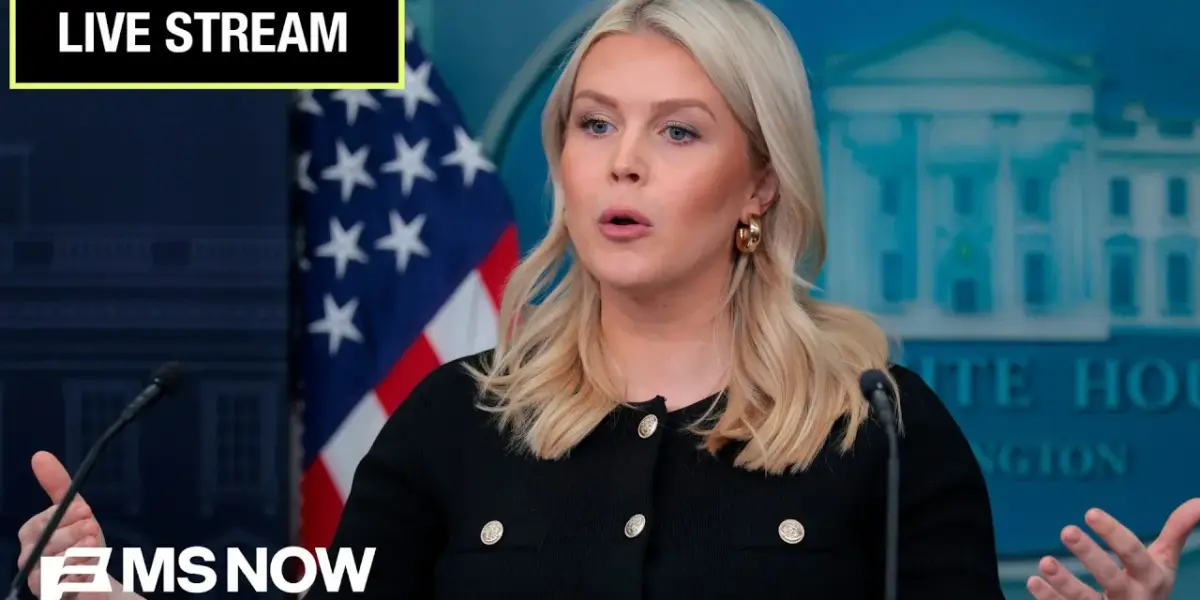
White House Press Secretary Karoline Leavitt addressed the press following the Pentagon’s confirmation. The briefing aimed to provide transparency and outline the administration’s position on the incident.
However, specific details on the intelligence leading to the strike, the rules of engagement, and the diplomatic fallout were expected to be closely scrutinized. The incident undoubtedly complicates ongoing efforts to de-escalate tensions in the Middle East and prevent a wider war.
What to Watch Next
The international community will be closely monitoring Iran’s response to this significant naval engagement. Further statements from Tehran, as well as diplomatic reactions from key global players, will be crucial in determining the trajectory of this escalating crisis. The U.S. Administration’s next steps in managing regional security and its communication strategy regarding this incident will also be critical in the coming days and weeks.
Source: LIVE: White House briefs after Pentagon confirms U.S. Sub sinks Iranian ship (YouTube)

Related Articles
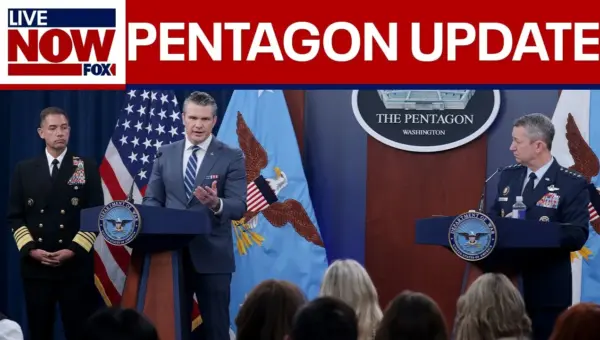
US Imposes Naval Blockade on Iran Amid ‘Operation Epic Fury’
The U.S. has implemented a naval blockade against Iran as part of 'Operation Epic Fury,' aiming to pressure the Iranian regime while maintaining combat readiness. Officials revealed the operation includes an 'ironclad blockade' and a direct message to Iran's leadership about dwindling military capabilities. The U.S. Navy is enforcing the blockade on all ships entering or leaving Iranian ports, with escalating force options available.

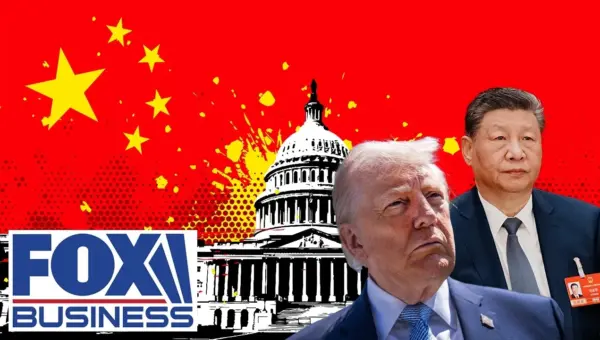
US Threatens China Banks with Sanctions Over Iran Ties
The U.S. Treasury has warned Chinese banks of severe secondary sanctions if they are found to be facilitating financial transactions with Iran. This action comes amid reports of China providing Iran with military-grade satellite technology, raising concerns about Beijing's support for Tehran's activities. The U.S. is employing strong financial measures to pressure Iran and its financial enablers.

US Warns Iran: Choose Deal or Face Blockade and Bombs
The U.S. military has issued a stark warning to Iran, urging the regime to choose a diplomatic deal or face a combination of naval blockade and targeted strikes. Admiral Bradley Cooper detailed Operation Epic Fury, highlighting U.S. military superiority and intelligence capabilities. The U.S. also criticized negative media coverage, praising troops' achievements.