Exploited Dreams: Indian Students Navigate a Shadowy Food Delivery Industry in Germany
Indian students seeking higher education in Germany are increasingly finding themselves exploited in the country's booming food delivery sector. Promises of a good life often mask grueling hours, meager pay, and a lack of labor protections, trapping many in a cycle of debt.

The Allure of Germany: A Beacon of Opportunity for Indian Students
Germany, a nation renowned for its robust economy, high quality of life, and esteemed educational institutions, has long been a coveted destination for international students seeking advanced studies and promising career prospects. In recent years, this allure has particularly drawn a significant influx of young individuals from India. Fueled by promises of a brighter future and disseminated through social media channels, these students embark on journeys to Germany with aspirations of academic excellence and financial independence. However, beneath the surface of this educational migration lies a complex and often exploitative reality, particularly within the burgeoning food delivery sector.
A Booming Industry with a Hidden Cost
Europe’s food delivery market has witnessed exponential growth, with revenues nearly tripling in recent years. This rapid expansion has created an insatiable demand for labor, a demand increasingly met by a workforce of international students. In Germany, a substantial portion of these delivery riders hail from India. Social media campaigns and recruitment efforts paint a picture of a lucrative opportunity, promising a “great life” and “good opportunities” in Germany. This narrative, however, often fails to disclose the harsh realities faced by many who arrive with high hopes, only to find themselves trapped in a cycle of exploitation.
The Harsh Realities: Debt, Exploitation, and Broken Promises
Upon arrival, many Indian students are confronted with the stark reality of Germany’s high cost of living. Expensive apartments, significant private university fees, and the general cost of daily life quickly strain their financial resources. This economic pressure often forces students to seek employment outside their academic pursuits, and the food delivery sector emerges as a readily accessible, albeit precarious, option. The promises of a “good life” quickly fade as students find themselves working grueling hours for meager pay.
The Subcontractor Maze: A System of Exploitation
A critical factor contributing to the exploitation is the prevalent use of subcontractors. Major food delivery platforms like Uber Eats and Volts often do not directly employ the riders. Instead, they engage with intermediary companies, many of which operate in a legal grey area. These subcontractors frequently fail to provide formal employment contracts, leaving riders without basic labor protections, such as minimum wage guarantees, sick leave, or social security benefits. This fragmented employment structure makes it difficult for riders to identify their true employer and assert their rights.
Precarious Wages and Grueling Hours
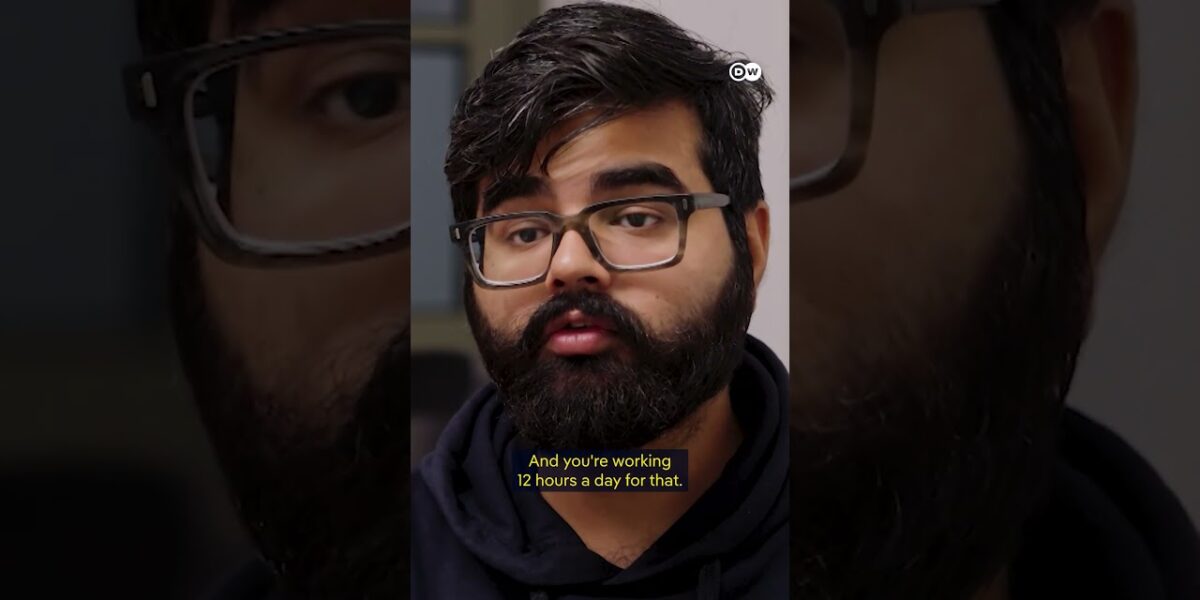
The compensation for food delivery work is often alarmingly low. Riders report earning as little as 80 to 90 Euros per day, a figure that pales in comparison to the 12-hour days they are expected to work. This translates to an hourly wage that often falls below the legal minimum wage, especially when the extensive working hours are factored in. The pressure to earn enough to cover living expenses, tuition fees, and student loans forces many to accept these exploitative conditions.
The Fear of Deportation and the Culture of Silence
A significant barrier preventing exploited workers from seeking help is the pervasive fear of deportation. Many students are on specific visas that tie their right to stay in Germany to their student status and, in some cases, to maintaining employment. Concerns about losing their visa, being forced to return to India, and facing immense financial pressure from loans taken out for their studies create a powerful disincentive to report abuses. The shame associated with admitting failure or seeking assistance, particularly from family back home who may be unaware of the true extent of their struggles, further contributes to a culture of silence.
The Cycle of Debt
The financial pressures are often compounded by the necessity of taking out substantial loans to fund their education and living expenses in Germany. These loans, often taken out secretly to avoid alarming parents back home, become an inescapable burden. The low wages earned in delivery jobs make it exceedingly difficult to repay these debts, trapping students in a vicious cycle of debt and continued exploitation. The dream of a better life morphs into a nightmare of financial servitude.
Favia’s Story: A Microcosm of Exploitation
The plight of individuals like Favia, who arrived in Germany with hopes of a better life, serves as a poignant example of the systemic exploitation within the food delivery industry. His experience highlights the disconnect between the advertised opportunities and the harsh realities faced by many international students. Trapped in a web of debt and forced to endure exploitative working conditions, Favia’s situation is not an isolated incident but a reflection of a broader issue affecting numerous young Indian students in Germany.
Broader Implications and the Need for Action
The exploitation of Indian students in Germany’s food delivery sector raises serious questions about labor practices, ethical recruitment, and the responsibilities of large corporations. While the demand for delivery services continues to surge, the human cost of this growth cannot be ignored. The current system, which often relies on a network of subcontractors, appears to be designed to circumvent labor laws and maximize profits at the expense of vulnerable workers. This situation not only harms the individuals involved but also tarnishes Germany’s reputation as a welcoming and fair destination for international talent.
Strengthening Protections and Ensuring Accountability
Addressing this issue requires a multi-faceted approach. Firstly, there is a need for greater transparency and accountability from food delivery platforms. They must ensure that their subcontractors adhere to labor laws and provide fair working conditions. Stricter regulations and more robust enforcement mechanisms are crucial to prevent the exploitation of gig economy workers. Secondly, educational institutions and student support services in Germany need to be more proactive in informing students about their rights and providing accessible avenues for reporting grievances without fear of reprisal. Finally, awareness campaigns targeted at prospective students in India can help to present a more realistic picture of life and work in Germany, mitigating the risk of them falling prey to deceptive recruitment practices.
Conclusion: Reclaiming the Dream
The dream of a better future in Germany for many Indian students has been overshadowed by the harsh realities of exploitation in the food delivery industry. While the sector provides employment opportunities, the current model often leaves workers vulnerable and indebted. It is imperative for policymakers, corporations, and educational bodies to collaborate and implement systemic changes that protect these young individuals, ensuring that Germany remains a land of opportunity rather than a landscape of broken dreams and exploited labor.
Source: The shady world of food delivery: Indian students end up exploited in Germany (YouTube)

Related Articles


Trump’s Tax Tip ‘Stunt’ Fuels Stock Surge, Lacks Real Impact
A recent White House event featuring a DoorDash driver and a 'no tax on tips' policy is under scrutiny. Critics argue the event was staged to boost DoorDash stock and promote a policy with minimal real benefit to the featured worker, highlighting concerns about political messaging and media portrayal.


AI Buys Your Identity: The Hidden Cost of Data Training
Gig AI training offers cash for personal data like voice recordings and videos, but experts warn of significant risks. Companies use this data indefinitely, potentially leading to deepfakes and job replacement, while individuals are often unfairly compensated.


From $60 to $1,000: The Gig Economy Hustle
Learn how to potentially turn $60 into $1,000 by focusing on your job and maximizing earning opportunities. This strategy emphasizes consistent work and smart use of resources.