Dark Tourism: Sites of Tragedy, Temples of Terror
From the Tower of London's executioner to the irradiated streets of Pripyat, explore the world's most compelling dark tourism destinations. These sites of tragedy and terror draw millions, offering a chilling look at history's most somber moments.

From Execution Sites to Nuclear Wastelands: The Allure of Dark Tourism
The human fascination with the macabre is as old as time itself. While some seek solace in sunny beaches and historical monuments, a growing number of travelers are drawn to destinations steeped in tragedy, horror, and profound historical darkness.
This phenomenon, known as “dark tourism,” transforms sites of death, disaster, and suffering into compelling, albeit somber, travel experiences. From the chilling echoes of the Tower of London’s executioner to the silent, irradiated streets of Pripyat, these locations offer a clear reminder of humanity’s capacity for both cruelty and resilience.
The Tower of London: A Royal Prison and Execution Ground
Nestled along the River Thames, the Tower of London stands as a formidable testament to centuries of British history. While it has served as a royal residence and treasury, its most enduring legacy is that of a near-inescapable prison and a place of grim executions.
The axe, wielded by a masked executioner, became synonymous with the Tower’s sentence, with tales of botched attempts adding to its terrifying legend. The alleged hauntings by figures like Anne Boleyn and the two young princes confined and possibly murdered within its walls only deepen its shadowy reputation, drawing visitors eager to experience its spectral history.
The Catacombs of Paris: A City of the Dead Beneath the Living
Beneath the romantic streets of Paris lies a city of the dead: the Catacombs. Originally created to alleviate overflowing cemeteries, these ossuaries now house the remains of over six million Parisians, meticulously arranged in macabre displays.
The sheer scale of death is staggering, prompting local legends of a malevolent force unleashed by disturbing the slumber of so many. The eerie atmosphere has inspired Hollywood horror films like 2007’s Catacombs and 2014’s As Above, So Below, further cementing its status as a pilgrimage site for those seeking supernatural thrills and a confrontation with mortality.
Shoes on the Danube Bank: A Poignant Memorial to Atrocity
In Budapest, Hungary, a powerful and heartbreaking memorial stands along the Danube River: the Shoes on the Danube Bank. These sculpted replicas of 1940s footwear pay tribute to the victims of the Arrow Cross Party massacres during World War II.
The chilling backstory reveals that victims were ordered to remove their shoes before being shot into the icy river, their footwear then sold off. Sadly, this solemn site has been marred by vandalism and theft, including desecrations in 2023 and the removal of shoes in 2014, highlighting the need for respect at such sensitive historical locations.
Alcatraz Federal Penitentiary: “The Rock” and Its Infamous Inmates
America’s most notorious criminals, including Al Capone, Machine Gun Kelly, and Whitey Bulger, once called Alcatraz Island home. Now a museum and a popular tourist destination, the decommissioned Alcatraz Federal Penitentiary, famously known as “The Rock,” continues to captivate the public.
Its reputation as an escape-proof fortress is legendary, as are the rumors of ghosts belonging to those who perished in failed escape attempts. Visitors can explore the cells and hear the chilling stories of the infamous inmates who were once incarcerated within its imposing walls.
The Killing Fields and Tuol Sleng Genocide Museum: Confronting Cambodia’s Dark Past
Cambodia’s Killing Fields of Choeung Ek and the Tuol Sleng Genocide Museum offer a profound and harrowing glimpse into the brutal regime of the Khmer Rouge. Under Pol Pot’s totalitarian rule, nearly two million Cambodians perished.
The Killing Fields served as mass execution sites, while Tuol Sleng, a former school, was transformed into a notorious torture and extermination center. These sites are not for the faint of heart; they demand reverence and a willingness to confront one of the 20th century’s most devastating genocides, serving as crucial educational spaces for understanding history’s darkest chapters and preventing future atrocities.
The Colosseum: Where Spectacle Met Death in Ancient Rome
Recognized as one of the New Seven Wonders of the World, the Colosseum in Rome is more than just an architectural marvel; it’s a potent symbol of ancient Roman life and entertainment. This colossal amphitheater hosted everything from gladiatorial combats to public executions, all for the amusement of its citizens.
Imagine 50,000 Romans witnessing brutal contests to the death, with wild beast shows in the morning, crucifixions at lunchtime, and gladiatorial duels in the afternoon. The Colosseum stands as a clear reminder of a civilization that engineered spectacles of death for public entertainment.
Narco Tourism in Medellín: Exploring Pablo Escobar’s Legacy
Medellín, Colombia, has become a surprising hub for “narco-tourism,” offering visitors a chance to dig into the violent history of drug lord Pablo Escobar. Some complexes formerly owned by Escobar have been transformed into paintball arenas, recreating the bloody shootouts between cartel members and law enforcement.
While controversial, this form of tourism attracts those fascinated by the rise and fall of one of the 20th century’s most infamous criminals. Escobar’s own grave has even become a tourist attraction, fueled by his controversial legacy as a figure who, for some, acted as a “Robin Hood” to the poor.
Chernobyl Exclusion Zone: The Ghost City of Pripyat
The Chernobyl exclusion zone in Ukraine, particularly the abandoned city of Pripyat, draws visitors intrigued by the catastrophic 1986 nuclear disaster. Once a thriving modern town, Pripyat was evacuated due to high radiation levels, leaving behind a hauntingly preserved ghost city.
Guided tours offer a glimpse into the affected areas, with the 2019 miniseries Chernobyl reportedly boosting visitor numbers significantly. While currently inaccessible due to ongoing conflict, access is expected to resume, allowing a new generation to witness the stark consequences of nuclear disaster.
Fukushima Daiichi Nuclear Power Plant: A Site of Modern Tragedy
Similar to Chernobyl, the area around the Fukushima Daiichi Nuclear Power Plant in Japan has become a site of dark tourism following the 2011 nuclear accident caused by the Tohoku earthquake and tsunami. Towns within the Fukushima Prefecture, like Okuma, now welcome visitors eager to learn about the disaster, its aftermath, and the ongoing cleanup efforts. Tour companies lead excursions into the restricted zones, reminding visitors of the dangers of radiation and the profound impact of natural disasters on human settlements.
Auschwitz-Birkenau State Museum: Bearing Witness to the Holocaust
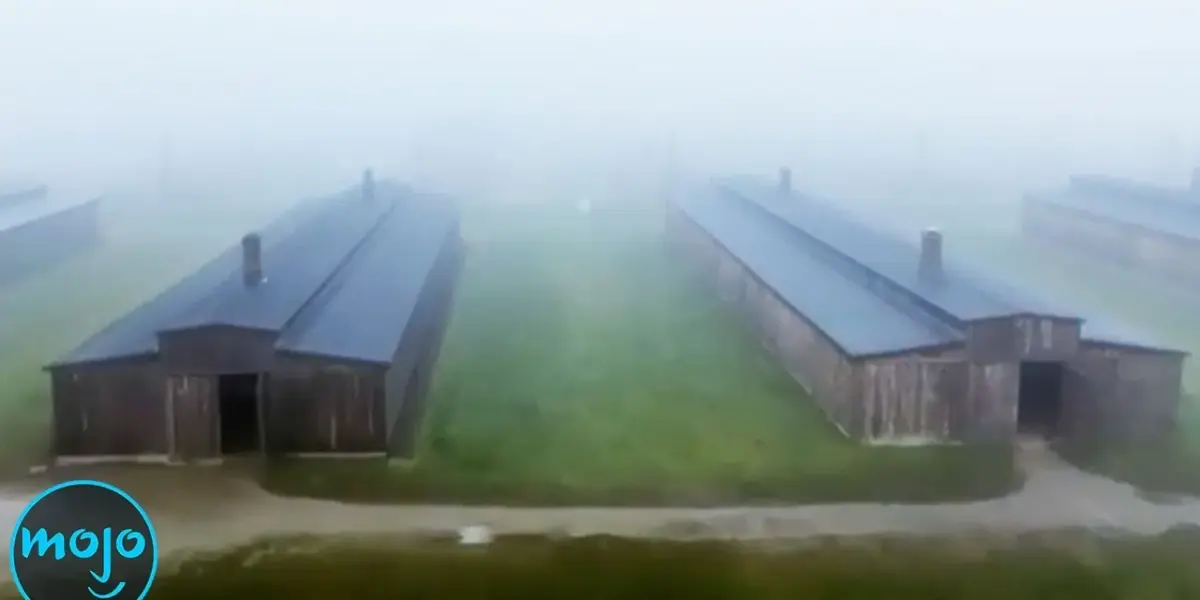
Perhaps the most somber and significant destination on the dark tourism map is the Auschwitz-Birkenau State Museum in Poland. This former Nazi concentration and extermination camp is a place where at least 1.1 million people were systematically murdered during World War II.
Visitors are confronted with the chilling reality of the gas chambers and crematoria, serving as a profound educational experience. Auschwitz-Birkenau is not merely a tourist attraction; it is a memorial and a solemn reminder of humanity’s darkest hours, urging visitors to reflect and ensure such horrors are never repeated.
These destinations, while offering unique and often unsettling experiences, serve a vital purpose: to educate, to remember, and to provoke reflection on the complexities of human history, resilience, and the enduring impact of tragedy.
Source: Top 10 Tourist Attractions Built on DARK History (YouTube)

Related Articles


Stranger’s Quick Aid Saves Tourist’s Life in Toronto
A tourist couple's vacation took a terrifying turn when the husband suffered a severe neck injury on a Toronto street. Two strangers, including actor John Malkovich, provided immediate aid. Their quick actions were credited with saving the man's life.


Missing Mom Case: Friend Demands Answers from Husband
Friends of missing mom Lynette Hooker are questioning her husband Brian's actions after he left the Bahamas while the search for her continues. Despite claims of focusing on finding her, Brian's departure and lack of information sharing have raised serious concerns among those close to Lynette.


Doctor Sees Grim Reaper, Then Dies of Cancer
In 1974, Dr. Julian Kirschner reported seeing a figure resembling the Grim Reaper in his backyard. Weeks later, he was diagnosed with incurable blood cancer and soon passed away. His story raises chilling questions about life, death, and unexplained encounters.