Trump’s ‘Bargaining Chip’ Remark Sparks Outrage Among Service Members
Donald Trump's recent remarks on US casualties in Iran have sparked outrage, with critics accusing him of viewing service members' lives as mere "bargaining chips." The comments highlight a perceived transactional approach to foreign policy that clashes with traditional expectations of respect for military sacrifice.

Trump’s ‘Bargaining Chip’ Remark Sparks Outrage Among Service Members
A recent statement by former President Donald Trump regarding US casualties in Iran has ignited a firestorm of criticism, particularly from those with ties to the military. The controversial remarks, made in the wake of reported American deaths in Iran, have been characterized as “callous” and “disgusting,” leading some to question the former president’s respect for those serving the nation.
The Statement and Its Immediate Fallout
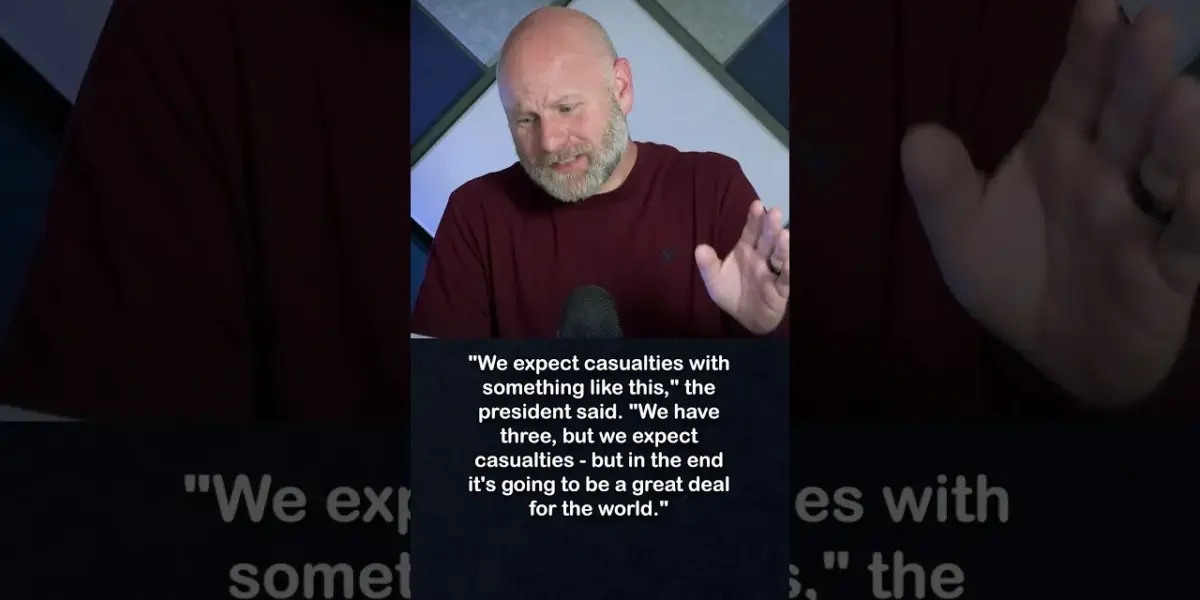
The controversy erupted following news that US service members had been killed in Iran, an event that occurred less than 24 hours after a reported escalation. In response, Donald Trump is quoted as saying, “We expect casualties with something like this. We have three, but we expect casualties.
But in the end, it’s going to be a great deal for the world. A great deal.”
This statement, delivered in a seemingly detached manner, has been interpreted by many as a profound disrespect to the sacrifices made by military personnel. The core of the criticism centers on the implication that lives lost in service are merely an expected cost of doing business, a mere “bargaining chip” in a larger geopolitical or economic “deal.”
Interpreting Trump’s Business-Minded Approach
The analysis presented in the video transcript suggests that Trump’s perspective is rooted in his background as a businessman, where deals and negotiations are paramount. “Donald Trump views the lives of everyone in the military as a bargaining chip, right? He’s a businessman.
We’re running the government like a business. So business, you got to make deals. You got to make bargains.” This viewpoint posits that Trump sees military actions and their associated human costs not through the lens of national security or the profound loss of life, but as components of a transaction.
The question is then posed: “I’ll deal you three of our service members lives for uh what? Some oil?” This highlights the perceived transactional nature of his foreign policy considerations, questioning the value exchange when lives are on the line.
Historical Context of Presidential Rhetoric and Military Sacrifice
The relationship between political leadership and the military is a delicate one, often tested by the realities of conflict and the rhetoric surrounding it. Throughout history, presidents have grappled with the immense responsibility of sending troops into harm’s way and the need to communicate the gravity of those decisions to the public and to the service members themselves. The language used by commanders-in-chief carries significant weight, shaping public perception, morale within the ranks, and the very understanding of the sacrifices being made.
Past presidents have often sought to honor fallen soldiers with solemnity and respect, understanding that their words can either strengthen or erode the public’s trust and the military’s sense of value. The current controversy surrounding Trump’s remarks brings to the forefront the expectation that leaders should not only strategize for conflict but also articulate its human cost with empathy and a deep appreciation for the lives affected.
The Charge of Betrayal
The most potent criticism leveled against Trump’s statement is the idea that it constitutes a betrayal. The transcript boldly states, “At this point, if anyone who is enlisted in the United States military still supports Donald Trump, then you should basically be considered a traitor.
Not necessarily to the United States, but to your brethren in the military.” This is a severe accusation, suggesting that supporting a leader who appears to devalue military lives is akin to betraying one’s fellow soldiers and the shared bond of service. It implies that loyalty within the military community should transcend political affiliation when perceived disrespect for their sacrifice is at play.
Balancing Geopolitics and Human Cost
The situation in Iran, as described, involves complex geopolitical factors, including potential involvement or influence from nations like Saudi Arabia and Israel. The video transcript hints at these broader dynamics: “So what exactly is it to uh sweeten up Saudi Arabia who go to you into this along with Israel?” This suggests that the military action and its casualties might be viewed by Trump as necessary concessions or incentives to achieve broader foreign policy objectives with these allies. However, the argument remains that even in the pursuit of complex international agreements, the lives of service members should not be framed as expendable commodities.
Why This Matters
The impact of a president’s words on military morale and public perception is significant. When leaders frame casualties as mere transactional costs or expected outcomes in a “deal,” it can have a corrosive effect on the dedication and willingness of individuals to serve.
For those in uniform, and their families, the implicit message is that their lives are subordinate to political or economic gains. This can lead to feelings of disillusionment and a questioning of the value placed upon their service and ultimate sacrifice.
Such rhetoric can influence how the public views military engagement. If casualties are normalized as part of a business transaction, it may lower the threshold for accepting military action without fully grappling with the human cost. It risks creating a disconnect between the decision-makers and the profound reality of loss experienced by military families and communities.
Implications, Trends, and Future Outlook
This incident underscores a broader trend in political discourse where complex issues, including matters of war and peace, are often simplified into transactional terms. The “businessman” approach to governance, while appealing to some for its perceived pragmatism, can be deeply problematic when applied to human lives and national security. The future outlook suggests a continued tension between this transactional view of foreign policy and the traditional understanding of military service as a noble sacrifice demanding utmost respect from leadership.
Moving forward, the debate will likely revolve around how political leaders balance strategic objectives with the ethical imperative to honor and respect the lives of those who serve. The expectation for leaders to communicate with empathy and gravitas, especially in times of loss, will remain a critical measure of their fitness to command. The perception of whether a leader truly values military lives or views them as mere bargaining chips will continue to be a significant factor in public and military trust.
Source: Trump just crapped over every servicemember in the military (YouTube)

Related Articles

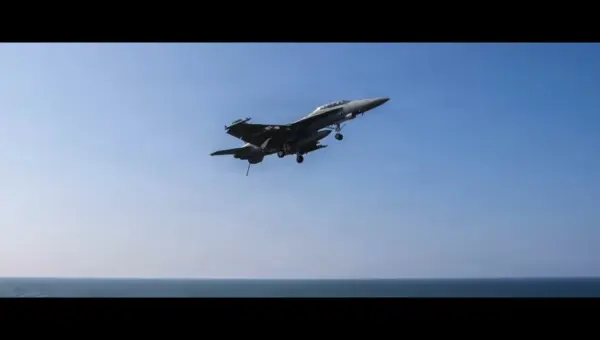
China’s Spy Satellite Aided Iran’s Attacks on US Bases
A new report reveals Iran has used a Chinese spy satellite to monitor US military bases in the Middle East, potentially aiding in recent attacks on American warplanes. Leaked documents suggest Iran purchased the satellite, which significantly outperformed its own capabilities, raising concerns about China's role in regional conflicts.
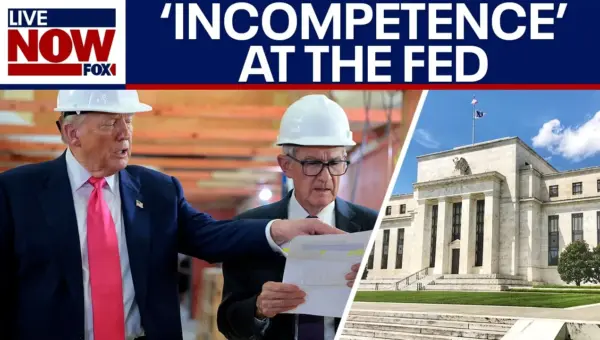
Trump Threatens Fed Chief Powell’s Job Amid Renovation Probe
President Trump has threatened to fire Federal Reserve Chair Jerome Powell if he doesn't leave his post when his term ends, citing disagreements over interest rates and the Fed's performance. The conflict is amplified by a Justice Department probe into Powell's handling of a costly Fed renovation project, which a key Republican senator is using to block a Trump nominee.

Iran Talks Resume as Trump Faces Costly Compromise
Renewed diplomatic efforts are underway as the U.S. and Iran engage in talks aimed at de-escalating rising tensions. Reports suggest a potential deal mirroring past agreements, focusing on limiting Iran's uranium enrichment. This comes after a period of conflict that saw significant costs and damaged U.S. global standing.