Israel Moves Hospitals Underground Amid Iran Tensions
Amid escalating tensions with Iran, Israeli hospitals are implementing extraordinary measures to ensure patient care continuity. The Sheba Medical Center is among those moving surgical operations to secure underground facilities, fortifying critical healthcare infrastructure against potential aerial threats.

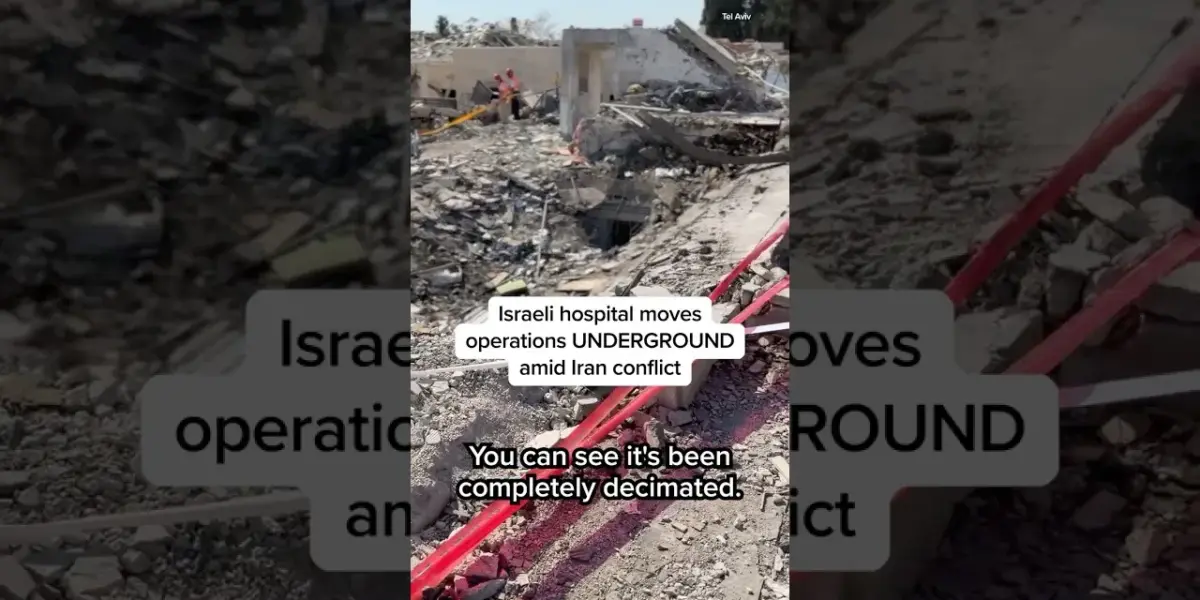
Israel Fortifies Healthcare Infrastructure Underground Amid Escalating Iran Conflict
TEL AVIV, ISRAEL – In a stark demonstration of the escalating regional tensions, some Israeli hospitals are taking unprecedented measures to ensure the continuity of critical medical services, including moving surgical operations to subterranean facilities. This strategic relocation, exemplified by the Sheba Medical Center, is a direct response to the heightened conflict with Iran, highlighting the vulnerability of civilian infrastructure in the face of potential aerial threats.
Sheba Medical Center Leads the Underground Shift
The Sheba Medical Center, a leading healthcare institution in Israel, has implemented a significant precautionary measure by relocating some of its operations to underground facilities. This move is designed to safeguard patients and medical staff, as well as essential medical equipment, from any potential aerial attacks. The decision reflects a broader strategy of hardening critical infrastructure against the backdrop of ongoing geopolitical instability.
Precautionary Measures in a Volatile Region
The relocation of surgical operations and other sensitive medical procedures to underground units is not a new concept in regions facing significant security challenges. However, the current situation highlights a renewed and urgent application of these measures.
Hospitals are transforming their underground spaces into fully functional operating theaters, complete with advanced medical technology and life support systems. This ensures that even under the most severe threat conditions, patient care can continue uninterrupted.
“Some Israeli hospitals like Sheba Medical Center are taking ‘extra precautions’ by moving operations underground,” reported Ines de la Cuetara from Tel Aviv for MS NOW.
Broader Implications for Healthcare Preparedness
This development raises critical questions about healthcare preparedness in conflict zones worldwide. The ability of medical facilities to withstand and operate during periods of intense conflict is paramount.
The undergrounding of hospital operations is a potent symbol of the challenges faced by nations in volatile geopolitical landscapes. It highlights the need for robust infrastructure that can maintain essential services, such as healthcare, even when surface-level facilities are compromised.
Ensuring Patient Safety and Medical Continuity
The primary objective behind these underground operations is the unwavering commitment to patient safety and the uninterrupted delivery of medical care. By moving critical procedures to protected subterranean locations, hospitals aim to mitigate the risks associated with potential attacks.
This includes protecting against blasts, shrapnel, and other direct threats that could impact above-ground facilities. The move ensures that emergency surgeries, intensive care, and other vital treatments can proceed without delay or compromise.
A Glimpse into the Future of Healthcare in Conflict Zones
The proactive steps taken by Israeli hospitals offer a glimpse into the future of healthcare infrastructure in regions prone to conflict. As threats evolve, so too must the strategies for protecting essential services.
The integration of hardened, underground facilities for medical operations may become increasingly necessary for maintaining national resilience. This approach not only protects lives but also preserves the operational capacity of the healthcare system during times of crisis.
Looking Ahead
As the geopolitical situation continues to evolve, the world will be watching closely to see how other nations in similar precarious positions adapt their critical infrastructure. The Israeli model of moving hospital operations underground presents a significant case study in resilience and preparedness. The long-term effectiveness and scalability of such measures will be crucial in determining future strategies for safeguarding healthcare services in an increasingly uncertain global environment.
Source: Israeli hospital moves operations UNDERGROUND amid Iran conflict (YouTube)

Related Articles


Iran War Fuels Russia’s Economy, Hurts US Goals
The Iran conflict has unexpectedly boosted Russia's economy by increasing oil revenues and creating a complex geopolitical situation. While the U.S. aims to stabilize oil prices, its actions inadvertently benefit Russia, raising questions about international policy effectiveness.


Oil Prices Pressure Trump Ahead of Midterms
Rising oil prices are creating political pressure for Donald Trump as the November midterm elections approach. The ongoing conflict in Iran is impacting the global economy, raising concerns about the cost of living for American voters. Meanwhile, Trump has also commented on UK politics, criticizing Prime Minister Keir Starmer's choice of ambassador.


Trump’s Leadership Under Fire Amid Iran Tensions and Scandals
President Trump's administration faces escalating tensions in Iran as a ceasefire nears expiration, with a U.S. delegation heading to Pakistan for peace talks amid concerns over erratic leadership. Meanwhile, Labor Secretary Lori Chavez-Demore has resigned following a series of scandals. Businesses will begin receiving refunds for unlawfully imposed tariffs.