Trump, Germany’s Merz Meet Amid Iran Tensions
President Donald Trump met with German Chancellor Friedrich Merz at the White House to discuss the escalating Iran conflict following U.S. and Israeli strikes. The meeting marked the first time Trump has met a world leader since the attacks began, highlighting critical transatlantic diplomatic efforts amidst heightened global tensions.

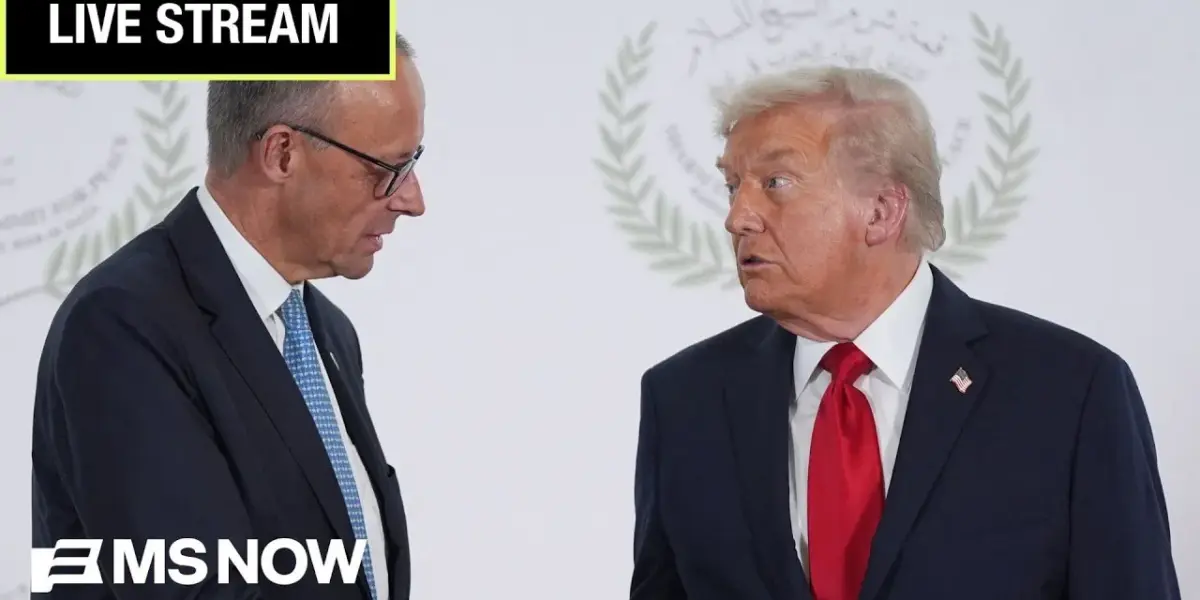
Trump and Merz Convene at White House Amid Escalating Iran Conflict
Washington D.C. – In a significant diplomatic development, United States President Donald Trump met with German Chancellor Friedrich Merz at the White House on [Date of meeting – inferred as shortly after Saturday’s attacks]. The high-stakes bilateral meeting, the first for President Trump with a world leader since the U.S. And Israel initiated strikes on Iran earlier this past Saturday, highlights the heightened global tensions following the military actions. Chancellor Merz’s visit to Washington marks a crucial moment for transatlantic relations as the international community grapples with the ramifications of the strikes and the potential for further escalation in the Middle East.
Addressing Regional Instability
The primary focus of the discussions between President Trump and Chancellor Merz was undoubtedly the volatile situation in Iran and its broader implications for regional and global security. The recent U.S. And Israeli strikes, launched in response to [Reason for strikes – not provided in transcript, but implied as a provocation], have dramatically altered the geopolitical landscape. Both leaders are expected to have exchanged views on the immediate aftermath of the attacks, strategies for de-escalation, and the long-term approach to managing relations with Iran.
President Trump, known for his assertive foreign policy, has consistently emphasized a tough stance against what his administration describes as Iran’s destabilizing activities in the region. The decision to authorize strikes, alongside Israel, signals a significant escalation in the ongoing confrontation. This meeting with Chancellor Merz provides an opportunity for the U.S. To brief a key European ally on its actions and to seek a united front in addressing the crisis.
Germany’s Role and Transatlantic Ties
Chancellor Merz, as the leader of Europe’s largest economy and a pivotal player in NATO, brings a vital European perspective to the White House discussions. Germany, while a close ally of the United States, often advocates for diplomatic solutions and multilateral engagement in foreign policy. The Chancellor’s presence at the White House so soon after the strikes suggests a desire from both sides to maintain open lines of communication and to coordinate responses, even if their approaches may differ in nuance.
The bilateral meeting is a critical juncture for reinforcing transatlantic cooperation. In a time of complex global challenges, the strength of the alliance between the U.S. And European nations is paramount.
The discussions are likely to cover not only the immediate Iran crisis but also shared security concerns, economic partnerships, and the collective commitment to international stability. Chancellor Merz’s remarks, in particular, will be closely watched for insights into Germany’s stance and its willingness to align with U.S. Policy in the face of such significant events.
Merkel’s First Remarks Since Strikes
During their joint press conference, President Trump and Chancellor Merz are expected to deliver remarks outlining their perspectives on the current geopolitical climate and the outcomes of their discussions. As the first world leader to meet with President Trump following the significant military actions against Iran, Chancellor Merz’s statements will carry considerable weight. These remarks will offer the first public indication of the level of alignment, or divergence, between the U.S. And Germany on this critical issue.
The transcript indicates that both leaders will be speaking at a bilateral meeting at the White House. The specific content of their remarks, as per the original video description, will focus on the ongoing Iran conflict and its implications. It is anticipated that President Trump will reiterate his administration’s rationale for the strikes and its objectives, while Chancellor Merz will likely emphasize the importance of de-escalation, diplomatic channels, and the need for a collective international response.
“The meeting between President Trump and Chancellor Merz at the White House is a crucial moment for international diplomacy, coming days after significant U.S. And Israeli strikes on Iran.”
Broader Geopolitical Context
The strikes on Iran and the subsequent high-level meeting occur against a backdrop of long-standing tensions between the United States and Iran, exacerbated by Iran’s nuclear program and its alleged support for regional militant groups. The U.S. Withdrawal from the Joint Comprehensive Plan of Action (JCPOA) in 2018 and the reimposition of sanctions have further strained relations. The recent military actions represent a sharp escalation of this ongoing standoff.
The involvement of Israel in the strikes adds another layer of complexity, given the long-standing animosity between Israel and Iran. Both nations have engaged in a shadow war for years, involving cyberattacks, assassinations, and proxy conflicts. The direct military engagement, however, raises concerns about a wider regional conflagration that could draw in other Middle Eastern powers and impact global energy markets.
Looking Ahead
The coming days and weeks will be critical in assessing the trajectory of the situation. All eyes will be on the statements made by President Trump and Chancellor Merz for clues about future policy decisions and diplomatic strategies.
The international community will be closely monitoring Iran’s response, the potential for further military engagements, and the effectiveness of diplomatic efforts to prevent a full-blown conflict. The strength and unity of the transatlantic alliance, as demonstrated in this meeting, will be a key factor in navigating this perilous geopolitical moment.
Source: LIVE: President Trump and Germany's Merz give remarks amid Iran conflict (YouTube)

Related Articles
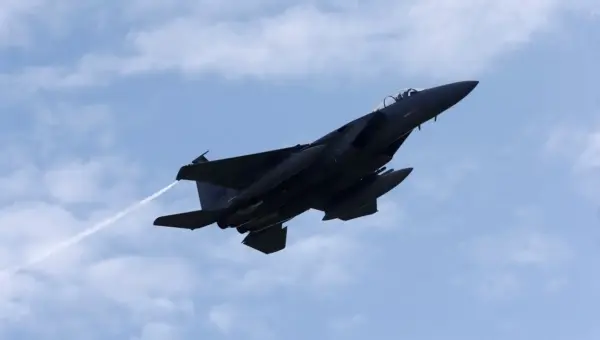
US F-15 Jet Downed Over Iran; Rescue Mission Underway
An American F-15 fighter jet has crashed in Iran, prompting an urgent search and rescue mission. U.S. officials confirmed the incident, while Iranian state media reported a reward for capturing the crew alive. The event raises questions about Iran's remaining military capabilities amid ongoing conflict.
Trump Eyes 2-3 More Weeks for Iran War
President Trump indicated that the military conflict with Iran could conclude in the next two to three weeks, during a prime-time address. The speech primarily recapped existing administration statements, with no major new announcements. Trump also addressed the economic impact of the war on U.S. gas prices and reiterated calls for allies to assist with the Strait of Hormuz.


Germany Caps Gas Price Hikes Amid Public Outcry
Germany has limited gasoline price increases to once per day, responding to public frustration over soaring fuel costs. The move aims to provide more stability for consumers, many of whom rely on vehicles for work and daily life. This change also highlights growing calls for a quicker shift to alternative energy sources.