Europe Seizes Russian Oil Tanker, Escalating Sanctions War
France and Belgium have seized a Russian oil tanker in the North Sea, marking a significant escalation in sanctions against Moscow. This military enforcement of economic measures targets Russia's "shadow fleet" used to circumvent international sanctions, potentially impacting global energy markets and the ongoing conflict in Ukraine.

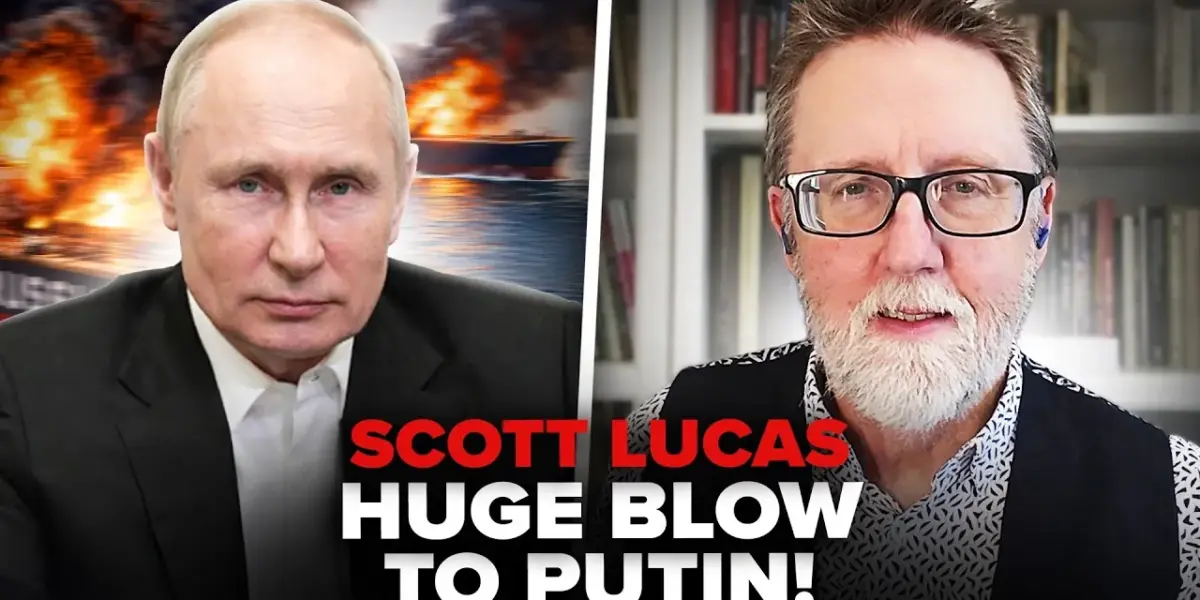
Europe Takes Military Action Against Russian Oil Shipments
In a significant escalation of economic warfare against Russia, France and Belgium have seized a Russian oil tanker in the North Sea. This unprecedented move, welcomed by Ukrainian President Volodymyr Zelenskyy, signals a shift from purely economic sanctions to military enforcement of those measures. The operation, a joint French-Belgian endeavor, directly targets Russia’s “shadow fleet” of tankers used to circumvent international sanctions and continue oil exports.
Professor Scut Lucas of University College Dublin’s Clinton Institute described the seizure as a “logical step” in response to Russia’s continued efforts to sell oil despite extensive sanctions. “If Russia’s going to continue to ship oil, getting around the sanctions and finding customers for that oil, what do you do? You have to cut off the source.
And what’s the source here? It’s the tankers,” Lucas explained.
The “Shadow Fleet” and Sanctions Enforcement
Russia has been accused of utilizing a “shadow fleet” of older, often uninsured tankers to transport its oil, thereby evading price caps and sanctions imposed by Western nations. These vessels operate with opaque ownership structures, making them difficult to track and regulate.
The seizure of the tanker is seen as a direct enforcement of sanctions, moving beyond simply listing vessels or entities on a sanctions list. “This doesn’t just simply mean putting these vessels on the sanctions list. It means actually enforcing the sanctions list by seizing the tankers and saying you’re operating illegally,” Professor Lucas stated.
Broader Implications for the Ukraine War and Energy Markets
The move has significant implications for both the ongoing conflict in Ukraine and global energy markets. By directly interfering with oil shipments, European nations are applying direct pressure on the Russian economy, which relies heavily on oil and gas revenues.
The increased tensions in the Middle East, particularly the conflict involving Iran, have already sent shockwaves through energy markets. Oil prices have surged, and European gas prices have seen a dramatic increase following an attack on Qatar’s liquefied natural gas production. This volatility raises concerns about the impact on European economies and their efforts to transition away from Russian energy.
“This type of rise in oil prices does two things,” Professor Lucas noted. “First of all, it puts pressure on European economies… And secondly, in the meantime, it raises questions about whether the sanctions will prevent Russia from reaping profits from these increased oil and gas prices.” He pointed out that if oil prices exceed the $60 per barrel cap, Russia could potentially generate much-needed revenue.
Russia’s Diplomatic Maneuvering and Negotiation Tactics
The article also digs into the complex diplomatic landscape surrounding the conflict. Reports from Bloomberg suggesting Russia might withdraw from negotiations if Ukraine doesn’t cede Donbas are characterized by Professor Lucas as “the Kremlin thumping its chest.” He argues that Russia’s maximum demands, particularly regarding the Donbas region, remain unchanged, viewing it as crucial for Vladimir Putin’s legacy.
Ukraine’s stance remains firm: no territorial concessions without a referendum, and no compromise on sovereignty. The expert suggested that the response from the U.S. Administration, particularly in the context of potential shifts in U.S. Foreign policy, will be critical.
The analysis also touches upon statements from Ukrainian officials, such as General Kyrylo Budanov, head of Ukraine’s military intelligence, regarding potential Russian concessions on security guarantees. However, Professor Lucas urges caution, emphasizing the need for detailed information on the nature of these guarantees and questioning the strategic motivations behind such announcements.
The Role of the US and Shifting Alliances
The interview highlights the intricate interplay of international politics, including the U.S. Role in potential peace talks and the complex relationship between Russia, Iran, and Israel. Professor Lucas critically examines the motivations behind U.S. Actions in the Middle East, drawing parallels to past interventions and questioning the long-term objectives.
Regarding Russia’s stance on the conflict in Iran, Professor Lucas points out the hypocrisy of Russian condemnation given its own actions in Ukraine. He notes that while Russia is indebted to Iran for military support, its influence in the current regional conflict may be limited.
Looking Ahead: Military Enforcement and Diplomatic Uncertainty
The seizure of the Russian tanker represents a tangible escalation in the economic pressure on Russia. The coming weeks will reveal whether this action sets a precedent for broader enforcement against the shadow fleet and how Russia will respond to this direct military intervention in its oil trade. Simultaneously, the ongoing diplomatic efforts and the volatile geopolitical situation in the Middle East continue to cast a shadow of uncertainty over the prospects for peace in Ukraine.
Source: 💥MAJOR shock for Kremlin! Russian fleet UNDER FIRE! Oil tanker SEIZED (YouTube)

Related Articles


War-Stranded Bats Find Refuge in Ukrainian Rescue Effort
Ukrainian volunteers are rescuing bats whose homes have been destroyed by the ongoing war. These small creatures are losing their shelters as buildings crumble, forcing them to seek new, dangerous places to roost. The volunteers provide care and a chance for survival to these displaced animals.
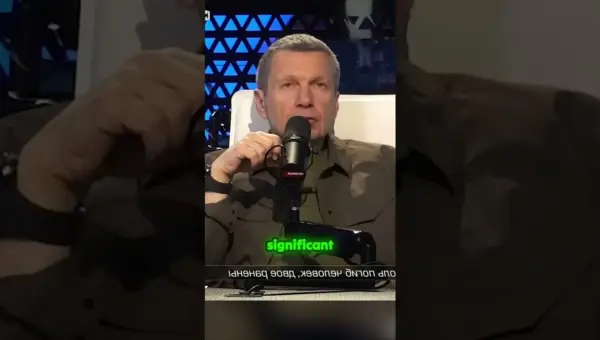
Ukraine’s Long-Range Strikes Threaten Russia’s Core
Russian state TV expresses alarm over Ukraine's imminent acquisition of long-range Western weapons, including ballistic missiles. Concerns are high that Kyiv plans to strike key Russian military and political sites, potentially including the Kremlin, marking a significant escalation.

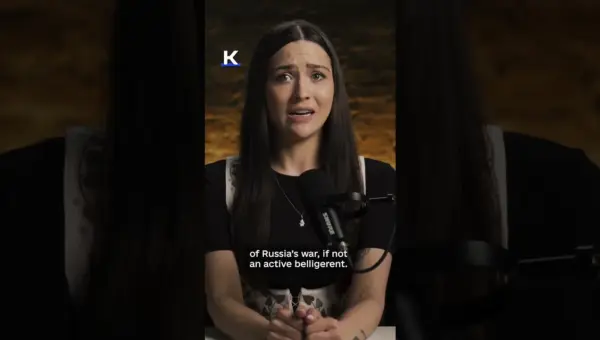
US Courts Belarus, Putin’s Ally, in Risky Strategic Gamble
The United States is making a bold diplomatic move by engaging with Belarus, a key ally of Russia. This strategy aims to leverage potential shifts in regional alliances despite Belarus's role in enabling Russia's invasion of Ukraine. The White House is betting on potential rewards, though significant risks remain.