Trump Official’s Empire Built on Tariffs Crumbles Amid Scandal
Commerce Secretary Howard Lutnik is facing mounting pressure amid allegations of profiting from tariffs he promoted and conflicting statements about his past ties to Jeffrey Epstein. Investigations are now underway, raising serious ethical questions.

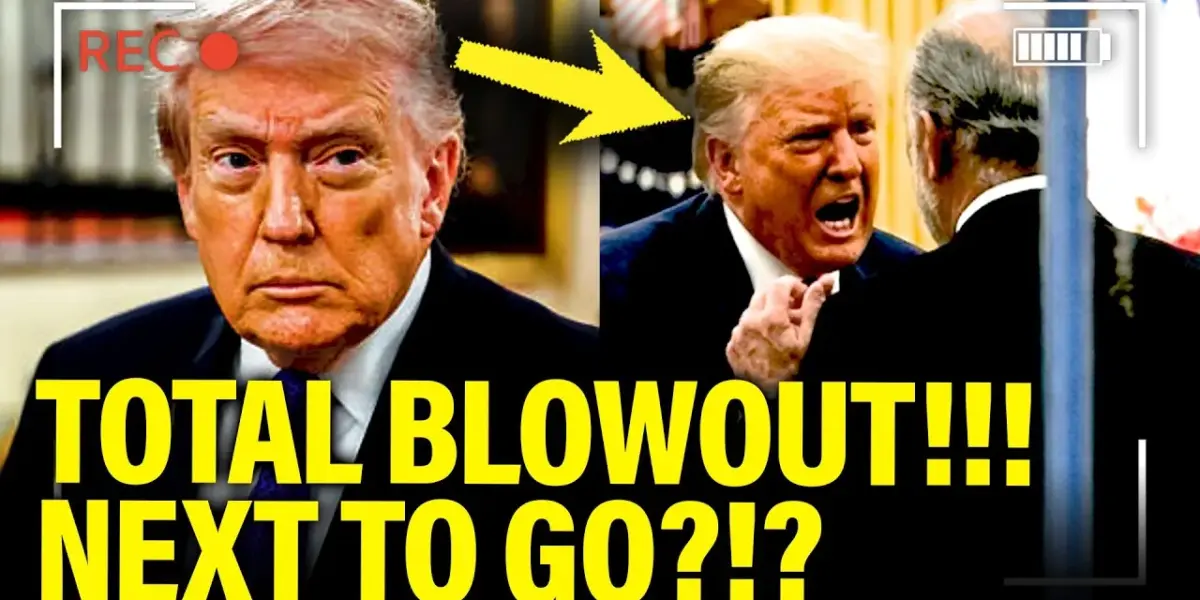
Commerce Secretary Howard Lutnik Finds Himself at the Center of a Gathering Storm
In an administration already beleaguered by scandals, Commerce Secretary Howard Lutnik is emerging as a central figure in a new wave of controversy. Beyond his reportedly contentious relationships within the administration and Donald Trump’s alleged displeasure over his family’s financial gains, Lutnik is now facing scrutiny for profiting from tariffs he vehemently championed. This, coupled with past revelations about his interactions with Jeffrey Epstein, paints a complex picture of a high-ranking official whose personal and professional conduct are under the microscope.
A Family Affair: Profiting from the Trump Brand
Reporting from Politico highlights a significant increase in profits for Caner Fitzgerald, the family office previously owned by Lutnik and now run by his sons. The firm reportedly saw a 25% surge in profits last year, a financial success that has apparently irked Donald Trump. The core of Trump’s alleged frustration stems from the perception that a family not directly part of the Trump dynasty is capitalizing on the “Trump brand” for substantial financial gain.
Betting Against the Tariffs: A Profitable Paradox
The latest allegations suggest that Lutnik’s family firm, Caner Fitzgerald, may have actively profited from the very tariffs that Secretary Lutnik has been a vocal proponent of. As reported, the company allegedly purchased the rights to collect potential tariff refunds from American importers for a fraction of their value, effectively betting that these tariffs would eventually be deemed unconstitutional and thus subject to refunds.
This practice, described as an “arbitrage” where the firm buys the right to a refund for cents on the dollar, raises serious questions of a conflict of interest. While Secretary Lutnik was publicly advocating for these tariffs as a path to economic liberation for Americans, his family’s business appears to have been anticipating and profiting from their potential failure.
“In effect, betting that the company would be forced to refund those tariffs back to injured American companies. A letter from the firm Caner Fitzgerald reviewed by Wired described this approach in detail… The same letter boasted that the firm had already put a trade through representing about $10 million of AIPA rights… And that the capacity to trade up to several hundred million dollars of these are likely and can upsize even that.”
Congressional Scrutiny and Conflicting Statements
The discrepancies between Caner Fitzgerald’s public statements and internal documents have drawn the attention of Congress. Jamie Raskin, the ranking member of the House Judiciary Committee, has launched an investigation, demanding testimony from Howard Lutnik and his son Brandon. Raskin’s letter points to a report by Wired, which cited a Caner Fitzgerald letterhead document detailing the purchase of tariff refund rights.
The firm’s initial denials of engaging in such transactions have been challenged by this evidence. While a spokesperson later claimed a salesman had erroneously believed the firm would greenlight the transaction, Raskin highlights the contradiction: “A firm cannot simultaneously have never executed any transactions in this market and have already put through a trade. Which is it?”
A History of Grandstanding and Unfulfilled Promises
Lutnik’s tenure has been marked by a reputation for “grandstanding” and a strained relationship with many within the administration. He was reportedly a contender for Treasury Secretary but settled for the Commerce Secretary position. His approach has often involved taking credit for deals he wasn’t central to or entering situations without a full grasp of the details, leaving others to manage the fallout.
Lutnik has faced challenges in delivering on a key Trump administration promise: $18 trillion in foreign investment in America. The reliance on tariffs has been cited as a hindrance to this goal, with the projected investment figures dwindling. Many of the projects attributed to this initiative appear to have originated under previous administrations.
The Epstein Connection: A Lingering Shadow
Adding another layer to the controversies surrounding Lutnik is his past association with Jeffrey Epstein. Lutnik initially claimed to have had no contact with Epstein after 2005, stating he was disgusted by him. However, it was later revealed that Lutnik, his wife, and their children had lunch with Epstein on his private island in 2012, during a family vacation.
This revelation, which came to light during an appropriations hearing, directly contradicted his earlier statements. The discrepancy has fueled questions about his candor and the administration’s general propensity for truthfulness. The hearing, where Lutnik’s wife was present, forced him to address the inconsistency, admitting to the lunch but downplaying its significance.
Why This Matters
The allegations against Howard Lutnik strike at the heart of ethical governance and public trust. If confirmed, the practice of a high-ranking official’s family profiting from policies he champions, while simultaneously appearing to have insider knowledge of their potential legal vulnerabilities, represents a significant conflict of interest. It raises fundamental questions about whether public service is being prioritized over personal or familial enrichment.
The discrepancies in his statements regarding Jeffrey Epstein also erode confidence. In a political landscape already rife with skepticism, such inconsistencies from a cabinet secretary can be particularly damaging, suggesting a pattern of obfuscation or a lack of transparency.
Implications, Trends, and Future Outlook
The ongoing investigations into Lutnik’s activities could have significant repercussions for the Trump administration. It adds to the narrative of a scandal-plagued government, potentially weakening its credibility and effectiveness. The congressional inquiries signal a growing trend of lawmakers seeking greater accountability from executive branch officials, particularly concerning financial dealings and potential conflicts of interest.
The future outlook for Lutnik appears uncertain. The combination of internal friction, public scrutiny, and now formal investigations could make his position untenable.
Donald Trump’s history of both defending allies and eventually distancing himself from those facing significant controversy suggests that Lutnik’s tenure may be precarious. The administration’s overall reputation for discipline and ethical conduct is also at stake, as these controversies continue to surface.
Historical Context
The use of tariffs as a policy tool has a long and complex history, often employed to protect domestic industries or as a form of economic leverage. However, the modern era has seen debates about their impact on global trade, consumer prices, and retaliatory measures. The Trump administration’s aggressive use of tariffs, particularly against allies and major trading partners, marked a significant departure from recent decades of trade policy, sparking considerable debate about their efficacy and unintended consequences.
Similarly, the issue of conflicts of interest and insider trading within government is a perennial concern. Laws and ethical guidelines are in place to prevent officials from using their positions for personal gain. When these are perceived to be violated, it can lead to significant public outcry and calls for investigation and accountability, as seen in the current scrutiny of Secretary Lutnik.
Source: Trump BLOWS UP at Top Official after EPSTEIN SECRETS SURFACE (YouTube)

Related Articles

Trump’s Purge: Why He’s Firing Women and What It Means
President Trump's administration is experiencing significant staff turnover, with Pam Bondi and potentially Tulsi Gabbard among those reportedly facing dismissal. This pattern suggests a focus on loyalty and results, often leading to the rapid departure of officials who don't align with Trump's directives. The broader implications extend beyond personnel changes, touching on policy decisions like detention centers and the potential for public attention to be diverted from critical issues.

Trump Fires AG Pam Bondi, Cites ‘Private Sector’ Move
President Donald Trump announced that Attorney General Pam Bondi is leaving her post to pursue a new role in the private sector. The departure follows a reported heated confrontation and comes amid scrutiny over her handling of the Jeffrey Epstein files. Bondi's deputy, Todd Blanch, will serve as acting Attorney General.

Trump Surprises Leavitt With White House Press Secretary Offer
Former White House Press Secretary Kayleigh McEnany revealed the surprisingly casual way she learned she would be appointed to the role. Then-President-elect Donald Trump offered her the position during a routine phone call about a week after the 2016 election. The offer was made in a matter-of-fact tone, devoid of any formal ceremony or grand pronouncements.