Germany Backs US-Israel Strikes, Seeks Iran’s Regime End
Germany has publicly aligned with the United States and Israel, endorsing their military actions against Iran and expressing a shared desire for the end of the current regime. While not directly participating in the strikes, Berlin reserves the right to protect its own forces in the region.

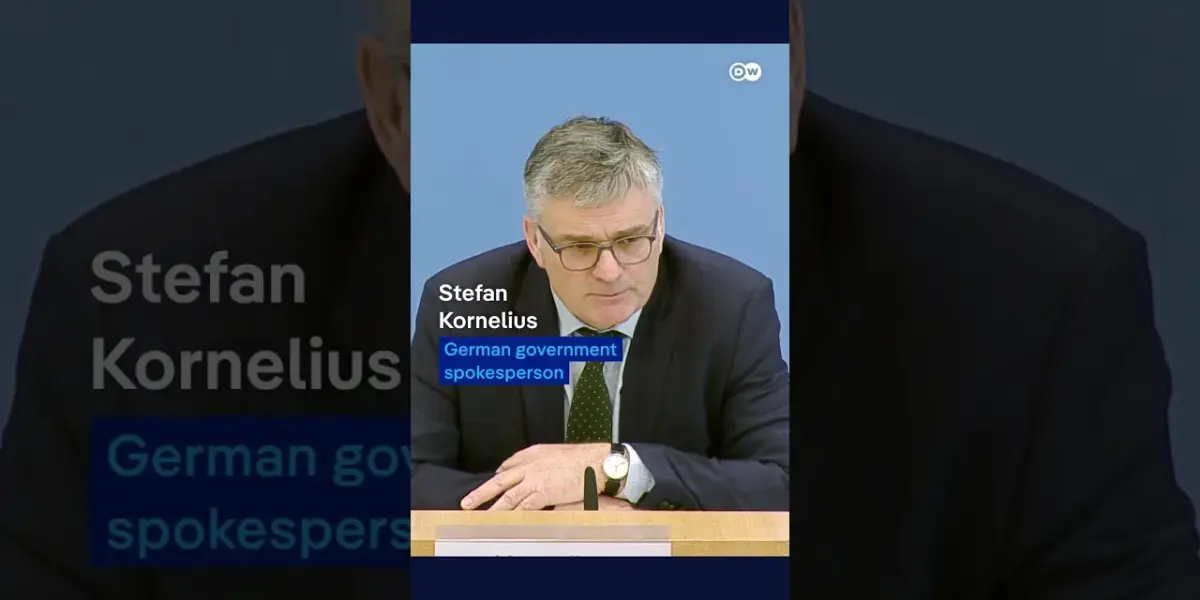
Germany Aligns with US, Israel on Iran Military Action
Berlin, Germany – Germany has signaled strong support for the United States and Israel’s military actions against Iran, stating a shared interest in halting the “terror” of the Iranian regime. While not directly participating in the strikes, the German government has made it clear that it reserves the right to protect its own soldiers in the region should they come under attack. This stance indicates a significant alignment with Washington and Tel Aviv’s objectives in the ongoing conflict, emphasizing a desire for a peaceful order while acknowledging the necessity of military pressure.
Shared Goal: Ending Iranian Regime’s Destructive Influence
The German government’s position, as articulated by officials, centers on the shared objective of ending the “destructive game” of the Iranian regime. The military strikes are viewed as a means to achieve this, particularly as the regime is described as “weakened.” This perspective suggests a strategic assessment by Germany that direct military intervention is a necessary component of international efforts to curb Iran’s regional activities and influence.
“With the United States and Israel, we share the interest that the terror of this regime stops. The military strikes are intended to end the destructive game of a weakened regime.”
This statement underscores a unified front among these nations, driven by a common concern over Iran’s actions. The emphasis on the regime being “weakened” could imply a belief that current pressures are effective, or that the strikes are specifically designed to exploit existing vulnerabilities.
Germany’s Non-Participation and Self-Defense Clause
Despite its strong political backing, Germany has explicitly stated that its forces are not militarily involved in the operations against Iran. However, this non-participation is coupled with a firm reservation of the right to self-defense. The government has indicated that it will protect its soldiers in the region if they are targeted.
“We are not militarily involved in the operation. The wording expresses that we reserve the right to protect our soldiers in the region if they are attacked.
And that is why we do not lecture our partners about their military strikes against Iran,” a government spokesperson explained. This carefully worded statement highlights Germany’s pragmatic approach, balancing solidarity with its allies with the imperative to safeguard its own personnel.
A Realistic Path to Peace
Germany’s strategy appears to be one of pragmatic engagement, working with its partners towards a “peaceful order” while recognizing the current geopolitical realities. The government’s refusal to “lecture” its partners on their military actions suggests a deference to their operational decisions, likely stemming from a shared strategic assessment of the threat posed by Iran.
The underlying sentiment is that while military pressure may be necessary, the ultimate goal remains the establishment of regional stability and peace. Germany’s role, therefore, seems to be one of political and diplomatic support, alongside a clear stance on self-preservation, rather than direct military engagement.
Shared Relief Over Potential Regime Change
Adding another layer to Germany’s position is the expressed “relief” that the current Iranian regime may be nearing its end. This sentiment is shared not only by the German government but also, reportedly, by many Iranians.
“The federal government shares the relief of many Iranians that this mullah regime is now coming to an end.”
This statement suggests that Germany views the current Iranian leadership as illegitimate and detrimental, aligning its foreign policy objectives with the aspirations of Iranian citizens seeking a change in governance. The hope for an end to the “mullah regime” indicates a desire for a fundamental shift in Iran’s political landscape and its regional behavior.
Broader Implications and Future Outlook
Germany’s clear alignment with the US and Israel on this critical issue sends a strong signal about the evolving geopolitical landscape in the Middle East. It underscores a potential shift in European foreign policy, where a more assertive stance against perceived threats from Iran is being adopted. The emphasis on shared interests and a pragmatic approach to achieving peace, even through military means, reflects the complex challenges of contemporary international relations.
Moving forward, the effectiveness of these coordinated military and diplomatic efforts will be closely watched. The response from Iran and its regional allies, as well as the broader impact on Middle Eastern stability, will be key factors in assessing the success of this strategy. Germany’s continued diplomatic engagement and its clear communication regarding the protection of its forces will also be crucial elements to monitor as the situation develops.
Source: What is Germany's position on the US-Israel war with Iran? | DW News (YouTube)

Related Articles

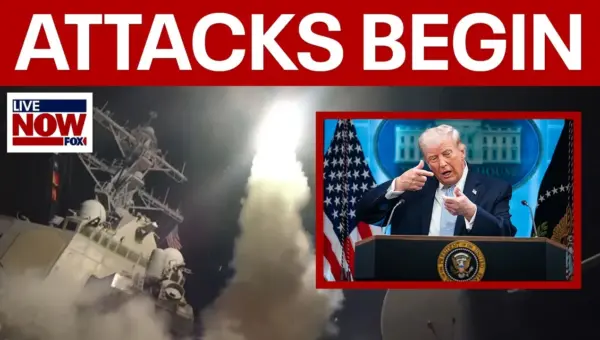
Trump Threatens ‘Civilization’s Death’ as US Strikes Iran
President Trump issued a stark warning to Iran, threatening catastrophic consequences if a deal to reopen the Strait of Hormuz was not reached. The U.S. military carried out dozens of strikes against targets on Kharg Island following Trump's deadline. International leaders expressed concern over potential war crimes amid the escalating tensions.
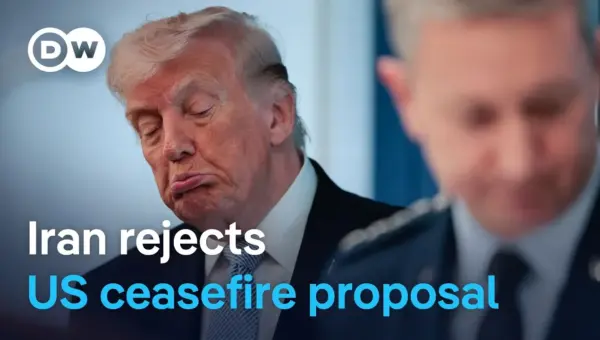
Iran Rejects US Ceasefire, Defies Strait of Hormuz Reopening Demand
Iran has rejected the US ceasefire proposal and defied demands to reopen the Strait of Hormuz. Analysts warn of significant global economic impacts if the vital oil shipping lane is disrupted. The situation remains tense as a US deadline for reopening the strait approaches.
Trump’s Iran Threats Could Be War Crimes, Experts Warn
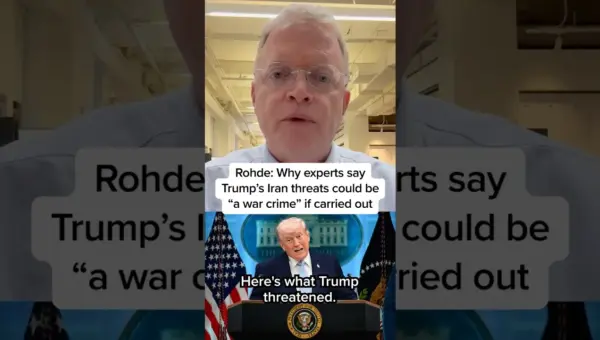
Legal experts warn that former President Donald Trump's threats to destroy Iranian bridges and power plants could constitute war crimes if carried out. Such actions would violate international laws designed to protect civilians and limit wartime destruction. The potential impact on Iran's civilian population and the U.S.'s global standing are significant concerns.