Trump’s Health Decline Fuels War Concerns Amidst Incoherence
Concerns over Donald Trump's health and cognitive state have intensified amid the escalating war with Iran. His recent public appearances, marked by observed physical ailments and incoherent discourse, have drawn criticism for their perceived disconnect from the gravity of the international conflict. The lack of clear justifications for the war further fuels public anxiety and demands for transparency.

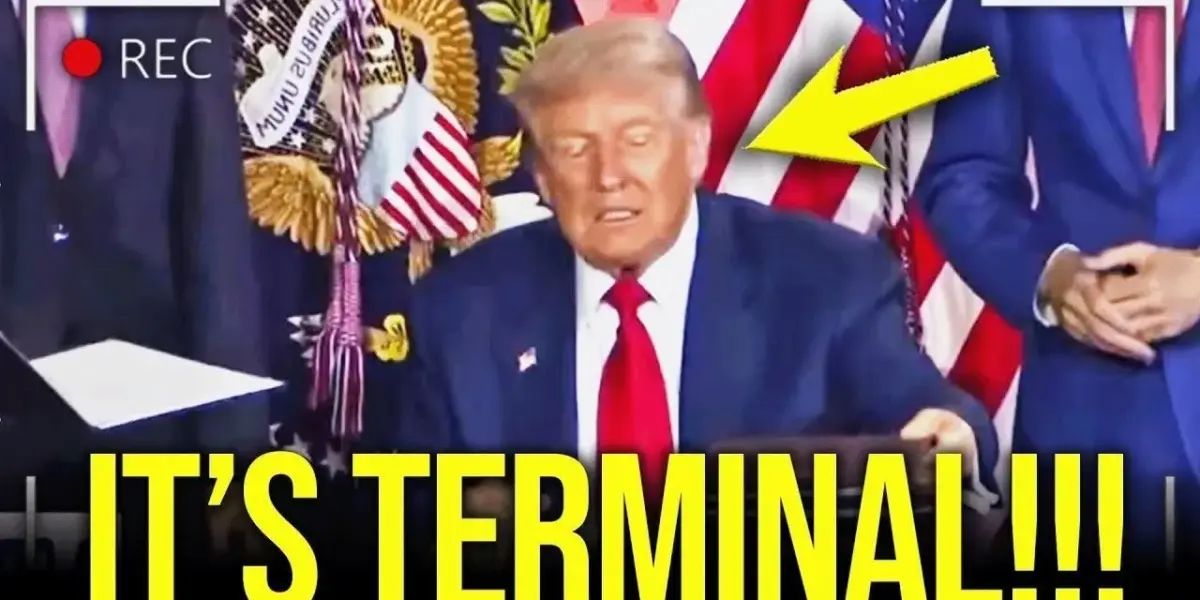
Trump’s Public Appearance Raises Alarms Amidst Geopolitical Tensions
Recent public appearances by Donald Trump have sparked significant concern, not only regarding his physical and cognitive health but also in the context of escalating international conflict. As the United States finds itself embroiled in a new war with Iran, resulting in American and civilian casualties, Trump’s public discourse has been characterized by what observers describe as increasing incoherence and a concerning focus on seemingly trivial matters. This analysis digs into the observations surrounding Trump’s recent press conference, the broader implications for leadership during times of crisis, and the historical context of presidential health and foreign policy.
Physical Manifestations and Cognitive Concerns
Multiple commentators have pointed to observable physical changes in Donald Trump, including bruising on his hands and swelling in his ankles. While Trump has historically been known for a rambling speaking style, recent instances suggest a more pronounced cognitive decline. Reports of him falling asleep during meetings and delivering speeches that are difficult to follow have become more frequent.
A notable observation from a recent press conference was a visible rash on Trump’s neck, which appeared red and concerning. The speaker notes that such observations, if applied to other political figures like Joe Biden, would likely face intense media scrutiny from conservative outlets. This suggests a potential double standard in how the public and media address the health of political leaders.
The Shadow of War and a Leader’s Response
The timing of these observations is particularly critical, as the United States has entered a state of war with Iran. The conflict has resulted in the deaths of American troops and civilian casualties, including children in Iran. In such times, the public desperately seeks answers and explanations from its leaders.
The speaker highlights the need for clarity regarding the reasons behind the military action, the justification for the escalating conflict, and a clear plan for the future. However, Trump’s recent public address, ostensibly held to discuss current events, instead featured lengthy discussions about building a ballroom, selecting drapes, and saving money on doors. This perceived disconnect between the gravity of the international situation and the leader’s focus has drawn sharp criticism.
Incoherence and Contradictory Justifications
During his speech, Trump’s remarks were described as deeply incoherent, particularly when juxtaposed with the unfolding war. A specific segment where he discussed honoring a “fallen warrior of world of wars” was cited as an example of 12 straight seconds of unintelligibility. This lack of clear communication is amplified by the contradictory explanations emerging from the administration regarding the rationale for the war.
Initially, the justification seemed to revolve around Iran’s nuclear program and threats to allies. However, subsequent statements from officials, including Marco Rubio, suggested the objective was to prevent Iran from acquiring weapons that could threaten the region.
Further complicating matters, Pentagon briefings reportedly indicated no evidence that Iran was preparing for preemptive strikes, a key justification cited by senior administration officials for the operation’s timing. This lack of a consistent and credible narrative fuels public confusion and distrust.
Broader Implications and Historical Context
The situation raises broader questions about presidential leadership, accountability, and the role of media in scrutinizing political figures. The speaker draws a parallel to the historical context of post-9/11 America, a period marked by prolonged conflicts, increased political division, and a sense of disillusionment. The current events, characterized by a lack of clear justification for military action and a perceived disconnect from the suffering of those affected, contribute to this sense of unease.
The comments from UK Prime Minister Keir Starmer, emphasizing the importance of avoiding unlawful military action and ensuring the well-being of service members, further highlight the international concern over the current U.S. Foreign policy approach. Similarly, Gavin Newsom’s critique of Trump’s focus on his ballroom over the lives lost highlights the perceived insensitivity and lack of strategic vision.
Economic Fallout and Public Discontent
Beyond the immediate human cost, the conflict is also projected to have significant economic repercussions. Increased oil prices are leading to higher gas prices, impacting household budgets. This comes at a time when the administration is reportedly considering cuts to social programs like food stamps and Medicaid, while also enacting tax cuts for the wealthy.
This juxtaposition of unfunded wars and cuts to essential services exacerbates public frustration. The speaker argues that such a situation, regardless of political affiliation, should be infuriating to any American citizen, given the loss of life, economic strain, and apparent lack of transparency.
Conclusion: A Call for Transparency and Accountability
The confluence of Trump’s apparent health decline, the escalating war with Iran, and the administration’s opaque justifications for its actions presents a complex and troubling scenario. The speaker expresses a hope that these events will serve as a wake-up call, prompting greater scrutiny and demanding accountability from political leaders.
The ongoing controversy surrounding the Epstein files, with allegations of Trump’s involvement and continued lack of transparency from the Department of Justice, further compounds the issues of trust and accountability. Ultimately, the analysis calls for a renewed focus on clear communication, ethical leadership, and a genuine commitment to serving the public interest, especially during times of national and international crisis.
Why This Matters
The concerns raised about Donald Trump’s health and cognitive abilities, particularly when set against the backdrop of a new war, are of paramount importance. The ability of a nation’s leader to communicate clearly, make sound judgments, and articulate a coherent strategy is fundamental to national security and public trust. When a leader appears physically unwell or mentally disoriented, especially during a crisis, it can undermine confidence, create uncertainty among allies, and potentially embolden adversaries.
The lack of clear justification for the war in Iran, coupled with contradictory explanations and a focus on personal matters, deepens this concern. It highlights the critical need for transparency, accountability, and effective leadership, especially in a time of heightened geopolitical instability and rapid information dissemination. The economic consequences, the human cost, and the potential for further escalation all highlight the urgency of addressing these issues.
Implications, Trends, and Future Outlook
The current situation points to a worrying trend of political discourse becoming increasingly personalized and detached from substantive policy. The focus on superficial aspects, such as Trump’s ballroom or a visible rash, rather than the critical issues of war and peace, suggests a potential erosion of the seriousness with which leadership is approached. The contradictory messaging from the administration regarding the war’s justification indicates a possible lack of strategic coherence or a deliberate attempt to obfuscate the true reasons for military engagement.
Looking ahead, this could lead to further public disillusionment with political institutions and leaders. It also raises questions about the media’s role in holding power accountable and the public’s ability to discern truth amidst a deluge of information and potential misinformation. The future outlook suggests a continued need for critical engagement from citizens, demanding transparency and reasoned decision-making from those in power.
Historical Context and Background
The scrutiny of presidential health is not new. Throughout history, the physical and mental well-being of U.S. Presidents has been a subject of public and media interest, albeit with varying degrees of transparency. From Franklin D.
Roosevelt’s polio to John F. Kennedy’s chronic health issues, the public has grappled with how a leader’s health impacts their capacity to govern. However, the current era, amplified by social media and a polarized political landscape, brings a unique intensity to these discussions.
The context of prolonged U.S. Involvement in foreign conflicts, dating back to the post-9/11 era, also shapes the public’s reaction to new military engagements. The perceived failures of past interventions and the resulting domestic consequences, such as political division and economic strain, create a heightened sensitivity to any new military action, especially when its justifications are unclear or contested.
Source: Trump’s Health PLUMMETS as Iran BACKFIRES (YouTube)

Related Articles
Trump Threatens ‘Civilization’s Death’ as US Strikes Iran
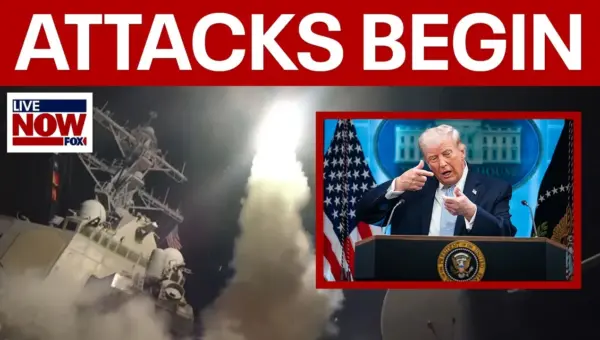
President Trump issued a stark warning to Iran, threatening catastrophic consequences if a deal to reopen the Strait of Hormuz was not reached. The U.S. military carried out dozens of strikes against targets on Kharg Island following Trump's deadline. International leaders expressed concern over potential war crimes amid the escalating tensions.
Wallace Slams Trump’s ‘Erratic’ Iran War Conference
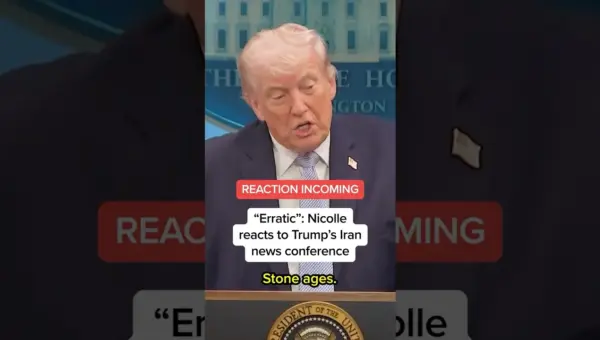
Nicolle Wallace has strongly criticized former President Donald Trump's recent press conference on Iran, labeling his remarks as "erratic." Trump reiterated his threats to target Iranian power plants, a statement Wallace found alarming due to its potential to escalate tensions. The analysis highlights concerns about Trump's foreign policy style and its impact on international relations.
Trump’s Iran Deadline Looms: Is the US President Bluffing?
President Trump has issued a stern deadline to Iran, warning of severe consequences if demands aren't met. Analyst Zineb Riboua believes the President is serious and not bluffing, citing Iran's strategic miscalculations and overestimation of its own capabilities. The Strait of Hormuz remains a key flashpoint with potential global market impacts.