Trump’s Iran War Called ‘Morally Reprehensible’ Amid Escalation
Journalist Chris Hayes has condemned President Trump's war with Iran as "illegal, reckless, and wrong," highlighting a rising death toll and escalating regional tensions. The conflict's moral implications and the administration's handling of the crisis are under intense scrutiny.

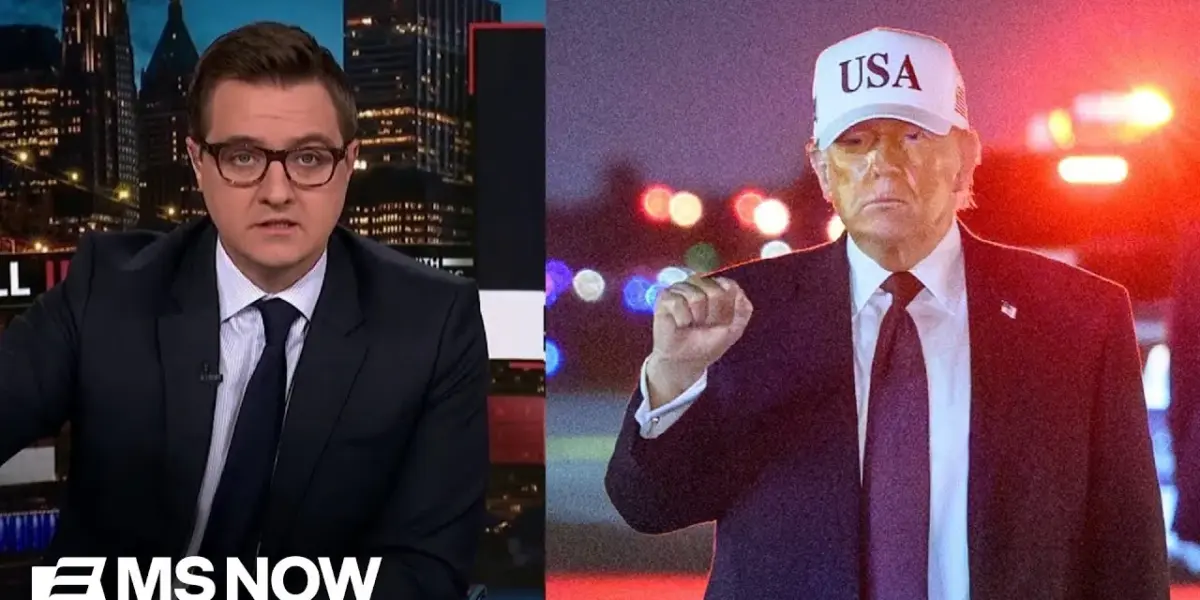
Hayes Condemns Trump’s Iran Conflict as ‘Illegal, Reckless, and Wrong’
NEW YORK – The escalating conflict between the United States and Iran, initiated by President Donald Trump, has been branded as “illegal, reckless, and wrong” by journalist Chris Hayes. On the third day of military action, the war is already casting a significant moral shadow over the nation, with concerns mounting over a potential regional explosion.
Air raid sirens were heard in Jordan, and Qatar’s government reported shooting down two bombers originating from Iran. This surge in hostilities coincides with renewed fighting between Israel and Hezbollah forces in Lebanon.
Regional Tensions Spike Amidst U.S. Embassy Attack and Aircraft Losses
The conflict’s reach has extended further with news of a drone attack on the U.S. Embassy in Riyadh, Saudi Arabia, which reportedly caught fire. While no casualties have been confirmed from this incident, the broader implications of the escalating tensions are becoming increasingly apparent.
Earlier in the week, three U.S. Fighter jets were shot down over Kuwait, an allied nation, in what is described as a “reckless slapdash way” the Trump administration has handled the confrontation. Six crew members survived the Kuwaiti incident.
Devastating Human Cost and Trump’s Response Under Scrutiny
The human toll of the conflict is mounting, with the Iranian Red Crescent Society reporting a death toll exceeding 500, including at least 150 fatalities from a reported strike on a girls’ elementary school. In Israel, at least 10 people have died, according to official figures. Tragically, the official death toll for U.S. Service members has risen to six, with President Trump having stated that these will not be the last casualties.
Hayes criticized President Trump’s tone regarding fallen and potentially future U.S. Service members as indicative of a “shocking glibness” in his handling of the war. The President did not publicly address the conflict until the third day, having spent the preceding weekend at his Florida golf resort, from which the military operation was reportedly launched.
“We are only on day three and and it is already an indelible moral stain on this country,” Hayes stated, highlighting the gravity of the situation.
Questions Surround the Seriousness of War Declarations
Questions have been raised about the seriousness with which the Trump administration has approached the declaration of war. Reports emerged of a podcaster from TMZ learning about the impending strikes before Congress, allegedly overhearing administration officials discussing the war at a restaurant.
Hayes highlighted President Trump’s apparent lack of sustained focus during public appearances, citing an instance where the President veered from discussing fallen veterans to commenting on draperies and building renovations during a Medal of Honor ceremony. This behavior has led to concerns that the administration does not view the matter of life and death with the gravity it demands.
Netanyahu’s Alleged Influence and Shifting Justifications
The article points to reports suggesting that Israeli Prime Minister Benjamin Netanyahu has been a long-standing advocate for U.S. military action against Iran. A New York Times report indicated that Netanyahu met with President Trump in the Oval Office last month, determined to keep the President on a path toward war. Hayes noted that Netanyahu has, by his own admission, sought U.S. Involvement in a conflict with Iran for decades.
The justification for the U.S. Preemptive strike appears to have shifted. Initially, Secretary of State Mike Pompeo suggested the U.S. Acted preemptively to prevent Iranian attacks based on intelligence. However, the narrative presented by Hayes suggests a different sequence, where Israeli actions precipitated an Iranian response, which the U.S. Then preempted, thereby drawing itself into the conflict.
The Moral and Human Cost of Conflict
Beyond the legality and strategic implications, Hayes emphasized the “morally reprehensible” nature of the war. While acknowledging that the Iranian government has engaged in objectionable actions, he argued this does not justify a war of aggression. The consequences are dire, with potentially hundreds of Iranian civilians vaporized in strikes.
Hayes urged readers to remember that these are real people with complex lives, hopes, and fears, now torn apart by decisions made by leaders in the U.S. and Israel. He drew a parallel to the impact of the September 11th attacks on American society, highlighting how experiencing such violence firsthand can profoundly alter a nation’s perspective, whereas for many in other countries, such terror is a common reality, partly due to wars of aggression.
Looking Ahead: The Path Forward
As the conflict deepens, the focus will be on whether diplomatic avenues can be pursued to de-escalate tensions and prevent further loss of life. The international community’s response, the potential for wider regional destabilization, and the ongoing human cost will be critical factors to monitor in the coming days and weeks.
Source: ‘It’s wrong’: Hayes says Trump’s war on Iran is ‘morally reprehensible’ (YouTube)

Related Articles

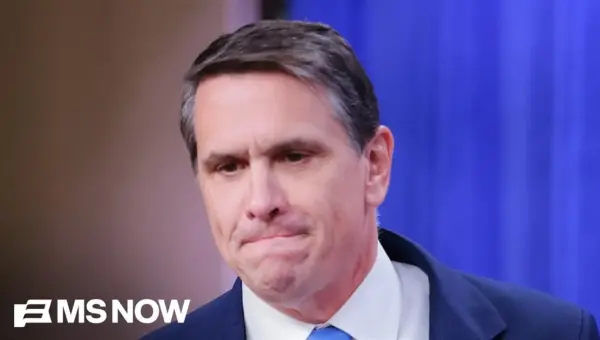
Trump Appoints Todd Blanche as Interim AG, Faces Senate Scrutiny
Donald Trump has named his former attorney Todd Blanche as interim Attorney General, replacing Pam Bondi. Legal experts question Blanche's suitability for a permanent role, citing his past actions and a controversial prison transfer. The appointment raises concerns about the potential politicization of the Justice Department.

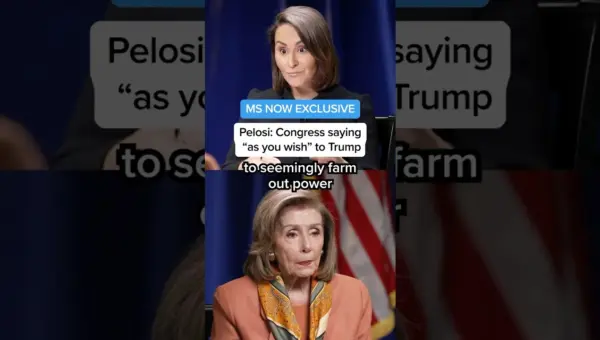
Pelosi Slams Congress for Ceding Power to Trump
Former Speaker Nancy Pelosi has strongly criticized Congress for deferring to President Trump, stating lawmakers have said "As you wish." In an exclusive interview, she argued that Speaker Mike Johnson's strategy allows the White House to "farm out power," undermining congressional authority. Pelosi's remarks highlight concerns about the balance of power between the legislative and executive branches.


Ukraine Strikes Russian Oil Refineries Deep Inside
Ukraine's drone strikes are targeting Russia's vital oil refineries deep within its territory, aiming to cripple its war economy. These attacks, reaching up to 2,000 kilometers inside Russia, highlight Ukraine's growing offensive capabilities and Russia's economic vulnerabilities. The strategy focuses on cutting off crucial revenue from oil and gas exports, impacting Moscow's ability to fund its military operations.