Clinton’s Deposition Erupts Over Illegally Shared Photos
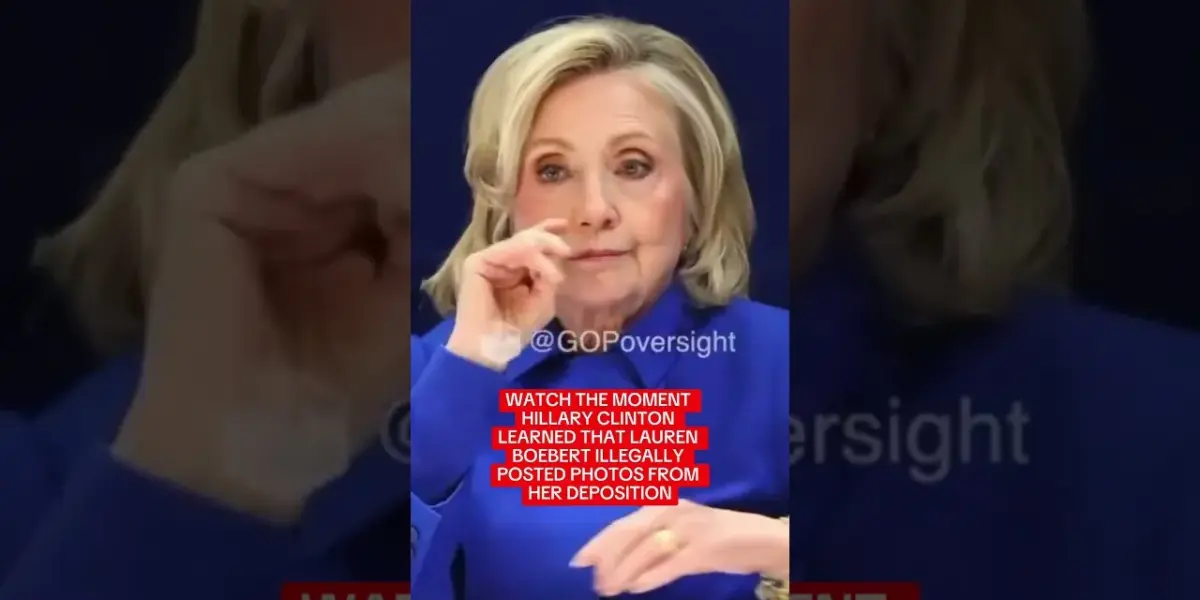
Hillary Clinton's deposition was abruptly halted amidst allegations of illegally shared photos taken from within the room. The incident highlights ongoing tensions between transparency, legal process, and political maneuvering.

Clinton’s Deposition Erupts Over Illegally Shared Photos
A recent deposition involving former Secretary of State Hillary Clinton took a dramatic turn when allegations of illegal photo sharing surfaced, leading to an immediate and sharp rebuke from Clinton herself and a chaotic halt to the proceedings. The incident, which unfolded during what was intended to be a standard deposition, highlights ongoing tensions surrounding transparency, public scrutiny, and the boundaries of legal processes, particularly in the high-stakes world of political investigations.
The Spark of Controversy
The transcript reveals a critical juncture where the deposition, initially focused on Clinton’s attendance at a fundraiser for a friend named Nita Loey, was interrupted by a pointed question regarding the dissemination of photos. An unidentified individual, presumably a participant or observer in the deposition, raised a concern about photos of Clinton being released from inside the room while she was actively testifying.
This individual questioned the permissibility of such actions, especially in light of a request for a public hearing. The implication was clear: sensitive testimony was being captured and shared in real-time, potentially violating established protocols and undermining the integrity of the process.
Clinton’s Firm Response
Hillary Clinton’s reaction was swift and unequivocal. Upon hearing the allegations, she declared, “I’m done with this.
If you guys are doing that, I am done.” She further expressed her defiance, stating, “You can hold me in contempt from now until the cows come home.” This forceful response underscores her perception of the situation as “typical behavior,” suggesting a pattern of what she views as unprofessional or manipulative tactics. Her insistence on understanding how such photo sharing could be permissible, even after the hearing had seemingly begun, indicates a deep-seated concern for due process and the protection of her testimony from what she deemed an inappropriate leak or exploitation.
The Fallout and Adjournment
The immediate aftermath of Clinton’s outburst was a breakdown in the proceedings. The individual who raised the concern attempted to de-escalate, stating, “I will take that down.” However, the damage was done.
Clinton’s demand for a break and to go “off the record” signaled a complete loss of trust and a refusal to continue under the perceived circumstances. The deposition was effectively suspended, leaving the original purpose of the testimony unresolved and overshadowed by the controversy over the alleged photo leak.
Historical Context: Transparency and Political Scrutiny
This incident is not an isolated event in the often-contentious relationship between political figures, legal processes, and public perception. Throughout modern political history, high-profile individuals have faced intense scrutiny, with their every move and statement dissected.
Depositions, while intended to be formal legal interrogations, can become battlegrounds for political maneuvering. The desire to control narratives and influence public opinion often leads to attempts to leak information, selectively release details, or shape the perception of testimony before it is fully presented or adjudicated.
The Clinton era, in particular, was marked by numerous investigations and intense media attention. From the Whitewater controversy to the Benghazi investigations, Clinton has been a subject of prolonged public and legal examination.
Each instance has involved debates about the fairness of the process, the motivations of investigators, and the role of media in shaping public understanding. This latest event echoes those historical patterns, where the mechanics of an investigation become as much a story as the substance of the inquiry itself.
Why This Matters
The core issue at play here is the tension between the need for transparency in public life and the right to a fair, uncompromised legal process. While the public has a legitimate interest in understanding the actions of public figures, especially when those actions are under investigation, the methods used to achieve transparency must not violate established legal norms or personal rights. The alleged real-time dissemination of photos from a deposition risks:
- Compromising Testimony: Witnesses may feel intimidated or alter their testimony if they believe it is being immediately broadcast or selectively leaked to shape public opinion.
- Undermining Due Process: Leaking information out of context can prejudice the public against an individual before all facts are presented or considered.
- Eroding Trust: Such actions can foster cynicism about the integrity of legal and political processes, suggesting they are more about showmanship and political advantage than genuine pursuit of truth.
- Setting Precedents: If unchecked, such behavior could normalize the violation of deposition rules, making future legal proceedings more contentious and less effective.
Implications, Trends, and Future Outlook
This incident is a clear reminder of the evolving landscape of political discourse and legal proceedings in the digital age. The ease with which information, including images, can be captured and disseminated means that the boundaries of privacy and protocol are constantly being tested. We are seeing a trend where political battles are increasingly fought not just in legislative chambers or courtrooms, but also in the court of public opinion, often fueled by carefully curated or selectively leaked information.
The future outlook suggests that such confrontations are likely to continue. As technology advances and the demand for immediate information grows, individuals and political actors may become more emboldened to push the envelope on what is considered acceptable behavior during legal processes.
This necessitates a renewed focus on upholding the integrity of depositions and other legal mechanisms. Clearer guidelines, stricter enforcement, and a greater emphasis on respecting the established rules of engagement will be crucial to ensure that justice is pursued fairly and that public figures can navigate investigations without undue prejudice or intimidation.
Ultimately, the disruption of Hillary Clinton’s deposition over alleged photo sharing is more than just a footnote in a political saga. It is a symptom of a larger challenge: how to balance the public’s right to know with the fundamental principles of fairness and due process in a time of instantaneous information and intense political polarization.
Source: Watch Hillary Clinton Learn Boebert ILLEGALLY SHARED Photo During Deposition (YouTube)

Related Articles

Congress Faces Reckoning: Expulsions Expose Deep-Seated Corruption
Congressional expulsions are exposing alleged misconduct and taxpayer-funded cover-ups, raising calls for greater accountability. Efforts to reveal 'slush funds' for settlements are facing resistance, but public pressure is driving some transparency. This moment could signal a crucial shift towards ethical governance in Washington.


Swalwell Quits Governor Race Amid Serious Assault Claims
Congressman Eric Swalwell has dropped out of the California governor's race following sexual assault allegations from a former staffer. He also faces a federal probe over hiring a nanny without work authorization. Swalwell denies the assault claims.

Congressman Swalwell Faces Calls to Resign Amid Misconduct Allegations
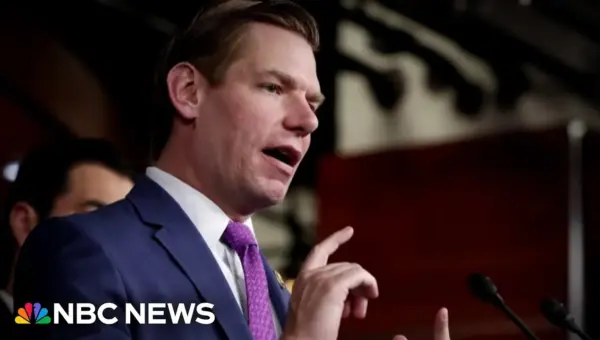
Congressman Eric Swalwell is facing bipartisan calls to resign from the House of Representatives and withdraw from his California governor campaign. Multiple women have accused the 47-year-old of sexual misconduct, including a former staffer who alleges rape, prompting a criminal investigation. Swalwell denies the allegations, calling them "flat false."