Trump’s Ballroom Dreams Overshadow Heroes’ Sacrifices
A public ceremony honoring Medal of Honor recipients was overshadowed by then-President Trump's extensive remarks on building renovations and a personal ballroom project. This incident is presented as a microcosm of a broader pattern of self-focus, questionable policy decisions, and unfulfilled promises, raising questions about true leadership priorities.

A Ceremony Unveiled: Drapes, Ballrooms, and Unanswered Questions
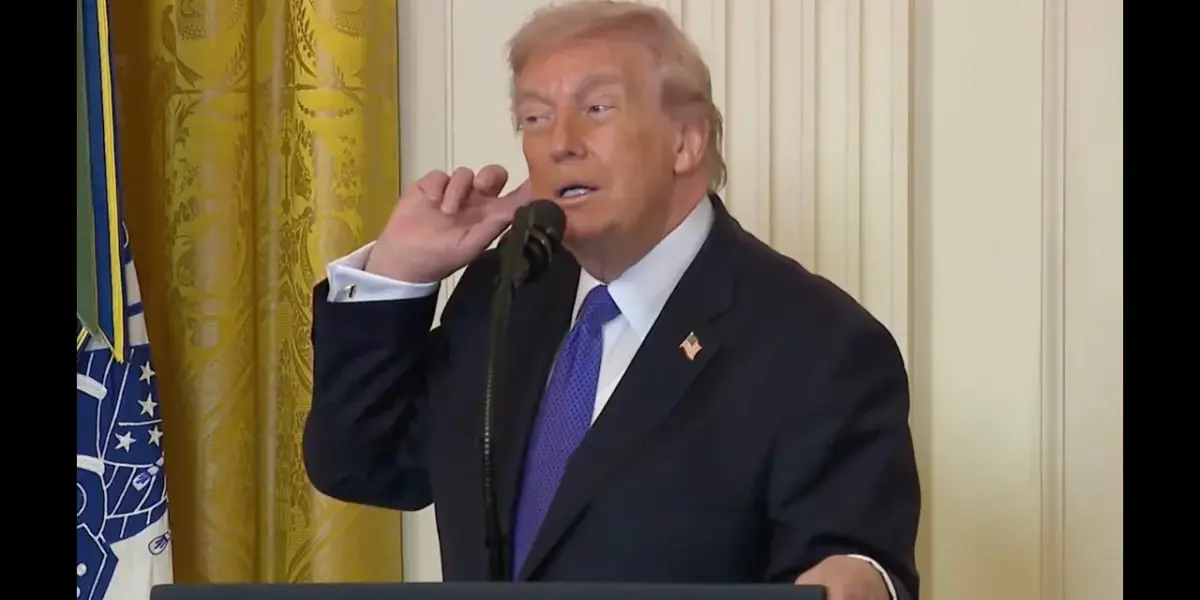
In a recent public ceremony intended to honor Medal of Honor recipients, a striking juxtaposition emerged. Amidst the solemnity of recognizing unparalleled courage, the focus, at least initially, was not on the bravery of American heroes, but on the aesthetic and economic aspirations of then-President Donald Trump. The transcript reveals a significant portion of his address dedicated to the ongoing renovations of a building, detailing his personal involvement in selecting drapes and his vision for a “spectacular,” “most beautiful ballroom anywhere in the world.” This lengthy discourse, peppered with anecdotes about construction noise and his wife’s mild displeasure, preceded the actual honoring of the servicemen who had made the ultimate sacrifice.
The Disconnect: Priorities in Public Discourse
The speaker in the transcript highlights this as a “perfect microcosm for how Donald Trump operates.” The argument presented is that the Medal of Honor recipients were made to wait while Trump expounded on interior design choices. This framing suggests a prioritization of personal vanity and material concerns over the profound significance of the occasion and the individuals being celebrated. The observation that Trump might have even “saved money on the doors because it can’t get more beautiful than that” highlights the perceived self-centeredness that the transcript’s author attributes to the former president.
“The Medal of Honor recipients had to wait while Trump was done talking about the drapes before they could be honored for their sacrifice because something something patriotism rah USA.”
Beyond the Ballroom: A Pattern of Self-Focus?
The analysis extends beyond this single incident, drawing parallels to broader policy decisions and campaign promises. The transcript asserts that Trump’s actions and rhetoric often serve his own interests rather than those of the public he pledged to represent. Specific examples cited include:
- The initiation of new wars despite a promise of “no new wars,” with six Americans reportedly dying in Iran in a conflict approved by Trump himself.
- A perceived hypocrisy in campaigning on a platform of non-interventionism while engaging in military actions.
- Promises made during his presidency that allegedly went unfulfilled, such as lowering costs, protecting earned benefits, ending the Russia-Ukraine conflict, making IVF free, and tackling inflation.
- Actions that the transcript characterizes as detrimental to the working class, including launching a trade war that allegedly sent costs surging, cutting Medicaid, increasing Obamacare costs, and reducing food assistance.
- A narrative of surrounding himself with wealthy individuals and enacting policies that benefit them, such as tax cuts, despite campaigning as a populist against the elite.
The author of the transcript posits that Trump’s focus is not on serving the public but on self-enrichment and aggrandizement, citing examples like building his own ballroom, acquiring a jet, and allegedly doubling his net worth while in office.
Historical Context and Political Landscape
The transcript touches upon the political climate surrounding Trump’s presidency and the subsequent actions of the Republican party. It notes that while Trump may be considered a “lame duck president,” the broader GOP platform often mirrors his own.
The author criticizes the party for not challenging Trump’s policies, such as tariffs and reckless spending, and for ceding significant autonomy to the executive branch. A particularly strong accusation is made regarding the alleged illegal taxation of Americans to the tune of over a hundred billion dollars, with the implication that this money was taken without intention of return.
Why This Matters
The core of the analysis lies in the perceived disconnect between Donald Trump’s public persona, his campaign promises, and his actions once in power. The ceremony honoring Medal of Honor recipients is a potent symbol of this disconnect.
It raises fundamental questions about leadership, priorities, and the nature of public service. When a leader’s personal projects and self-aggrandizement appear to take precedence over solemn duties and the recognition of genuine heroism, it erodes trust and raises concerns about the true beneficiaries of their power.
Implications, Trends, and Future Outlook
The transcript suggests a concerning trend where political rhetoric, particularly from populist figures, may not align with subsequent policy or actions. The author implies that Trump is willing to say whatever is necessary to get elected, adopting different personas to appeal to various segments of the electorate, only to govern in ways that benefit a select few. The critique extends to the broader political party, suggesting a lack of accountability and a willingness to follow a leader’s agenda, even if it contradicts stated principles or harms constituents.
The concerns about media suppression and the reliance on social media platforms also point to a broader trend in how political discourse is managed and how independent voices are potentially marginalized.
Conclusion: A Question of Service
Ultimately, the analysis presented in the transcript argues that Donald Trump’s presidency, and potentially his future political endeavors, are characterized by a self-serving agenda. The elaborate ballroom project, juxtaposed with the deferred honor of war heroes, is presented as evidence of a leader who views the public as a means to personal enrichment and adulation, rather than a constituency to be faithfully served. The author concludes that this dynamic represents a “bad deal” for the public, who are expected to provide support and praise in exchange for policies that may not benefit them.
Source: Trump makes JAW-DROPPING claim during public ceremony (YouTube)

Related Articles

Bolton Slams Trump’s Iran Policy as ‘Snake-Like’
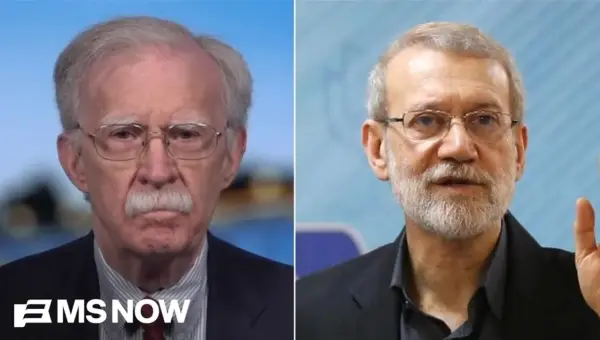
John Bolton, former National Security Advisor, has strongly criticized former President Trump's Iran policy as "snake-like" and lacking a clear strategy. Bolton stated that Trump's decisions were often impulsive, undermining U.S. credibility and creating instability in the Middle East. He called for a more consistent and strategically grounded approach to foreign policy.

Trump Claims Presidential Call; Four Denials Emerge
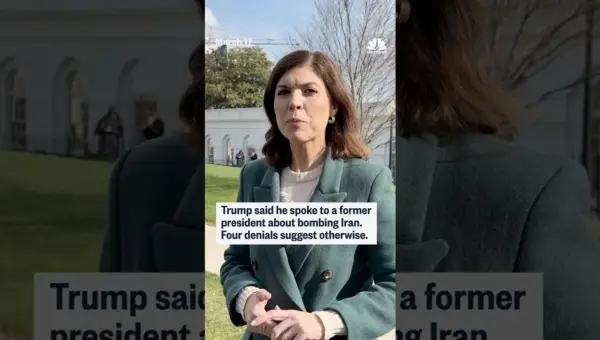
Former President Donald Trump claimed he spoke with a past president who regretted not taking a certain action, implying approval of his own policies. However, aides for George W. Bush, Bill Clinton, Barack Obama, and sources close to Joe Biden have all denied any such conversations occurred. Trump has remained evasive when asked to identify the individual.
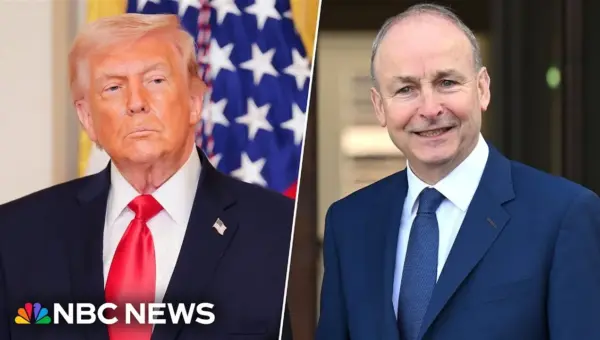
Trump Welcomes Irish Leader, Discusses Trade, Iran Tensions
President Trump welcomed Ireland's Taoiseach to the White House, discussing trade and the strong historical ties between the nations. The meeting also covered President Trump's views on Iran's military capabilities, his criticisms of NATO's support for U.S. initiatives, and upcoming foreign policy engagements.