Trump Warns of Escalating Iran Conflict, Vows Unyielding Response
President Donald Trump declared that the "big wave of attacks" against Iran has not yet begun, warning of potential U.S. casualties as military operations continue. He outlined the objectives of "Operation Epic Fury" to dismantle Iran's military and nuclear capabilities, projecting a 4-5 week timeline but acknowledging it could extend.

Trump Warns of Escalating Iran Conflict, Vows Unyielding Response
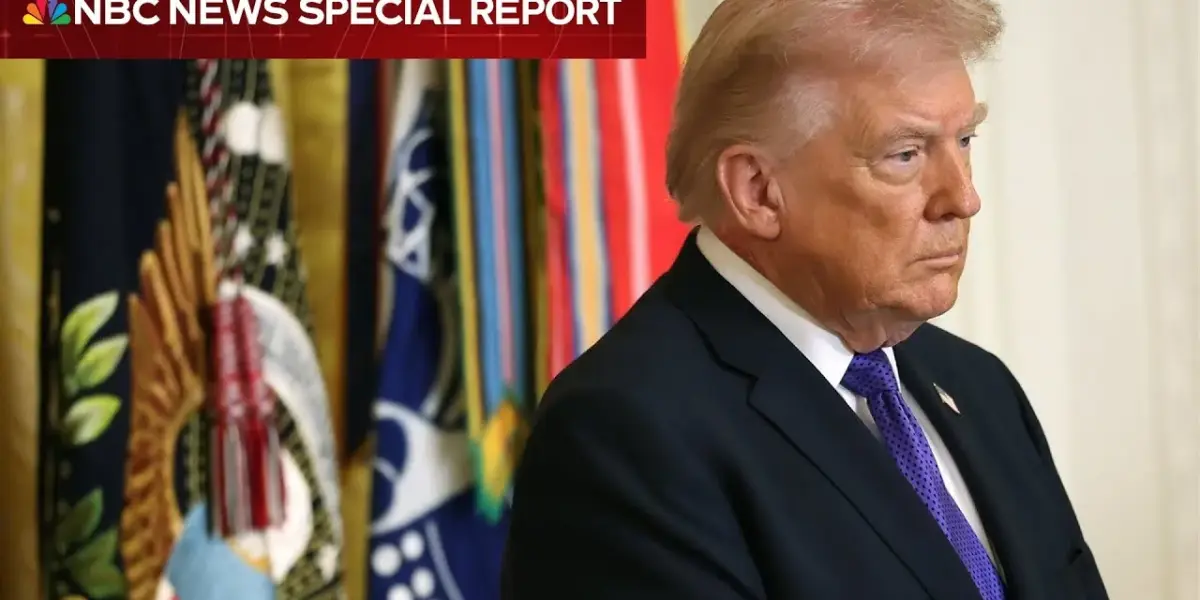
WASHINGTON D.C. – President Donald Trump addressed the nation from the White House today, offering a stark assessment of the ongoing conflict with Iran, suggesting that the “big wave of attacks hasn’t even started yet” and bracing the country for the possibility of more U.S. casualties. The President’s remarks came during a Medal of Honor ceremony, following a weekend of U.S. military strikes and amidst growing international concern over the expanding regional tensions.
Operation Epic Fury: Objectives and Timeline
President Trump detailed the objectives of “Operation Epic Fury,” a large-scale military operation launched Friday night into Saturday morning. He stated the primary goals are to destroy Iran’s missile capabilities, annihilate its navy, prevent the acquisition of nuclear weapons, and stop the regime from funding and arming terrorist groups abroad.
“We are destroying Iran’s missile capabilities, and you see that happening on an hourly basis,” President Trump declared. “Second, we’re annihilating their navy. We’ve knocked out already ten ships. They’re at the bottom of the sea. Third, we’re ensuring that the world’s number one sponsor of terror can never obtain a nuclear weapon, never going to have a nuclear weapon.”
When questioned about the duration of the conflict, President Trump indicated a projected timeline of “4 to 5 weeks,” but significantly added that the U.S. has the “capability to go far longer than that.” He dismissed suggestions that he might lose interest, stating, “I don’t get bored. There’s nothing boring about this.”
Iran’s Nuclear Ambitions and Past Aggression
The President reiterated his long-standing criticism of the Iran nuclear deal, calling it a “horrible, horrible, dangerous document” that would have allowed Iran to obtain nuclear weapons years earlier. He asserted that Iran has been attacking the United States and killing Americans for nearly 47 years, citing Iranian roadside bombs as a cause of casualties and attributing their proliferation to General Soleimani, whom he stated he “terminated.”
“The purpose of this fast-growing missile program was to shield their nuclear weapon development and make it extraordinarily difficult for anyone to stop them from making these highly forbidden by us nuclear weapons,” Trump explained. He emphasized that an Iranian regime armed with long-range missiles and nuclear weapons would pose an “intolerable threat to the Middle East, but also to the American people.”
Acknowledging U.S. Casualties and Unwavering Resolve
President Trump acknowledged the loss of four American service members killed in action, sending his condolences to their families. “We grieve for the four heroic American service members who have been killed in action and send our love and support to their families in their memory,” he stated.
He concluded his remarks on the conflict by vowing, “We continue this mission with ferocious, unyielding resolve to crush the threat this terrorist regime poses to the American people. We have the strongest and most powerful by far military in the world, and we will easily prevail.”
Broader Regional Implications
Beyond the President’s pronouncements, the conflict appears to be widening. Reports indicate that Lebanon, previously uninvolved, fired rockets into Israel, with the pro-Iranian militia group Hezbollah claiming responsibility. Separately, Qatar announced it shot down two Iranian fighter jets. The U.S. Consulate in Pakistan also announced its closure following protests and an attempt by pro-Iranian demonstrators to storm the building.
Chief Foreign Correspondent Richard Engel, reporting from Tel Aviv, noted the complexity and expansion of the conflict, questioning the post-conflict strategy. “He’s setting out these very, very vast objectives, military objectives, and putting a timeline on it 4 to 5 weeks, acknowledging that it might slip. But he didn’t talk very much about the day after. What kind of government is supposed to replace the one that is being dismantled and disarmed in Iran right now?” Engel remarked.
Medal of Honor Ceremony Highlights Heroism
The ceremony also honored Master Sergeant Roddie Edmonds, who will be posthumously awarded the Medal of Honor for his bravery during World War II. Edmonds, then a top-ranking infantryman in a German POW camp, defied Nazi orders to identify Jewish American soldiers. Instead, he stood in solidarity with them, telling the enraged Nazi commandant, “We are all Jews here.” His actions are credited with saving the lives of over 200 fellow service members.
“Today your father gets the honor he so courageously earned and really amazing. It’s an amazing story,” President Trump told Edmonds’ son, Chris, who was present to accept the award.
Looking Ahead
As the military operations in Iran continue, the international community will be closely watching for any signs of de-escalation or further expansion of the conflict. The administration’s stated objectives and timeline will be tested against the reality on the ground, with particular attention paid to the absence of a clear post-conflict plan for Iran’s leadership and the potential for wider regional involvement.
Source: Special Report: Trump says conflict in Iran will continue (YouTube)

Related Articles

Trump Welcomes Irish Leader, Discusses Trade, Iran Tensions
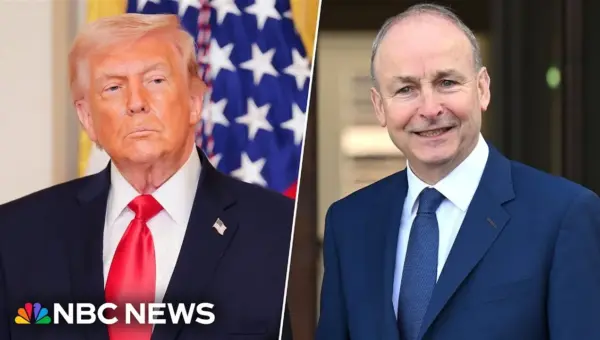
President Trump welcomed Ireland's Taoiseach to the White House, discussing trade and the strong historical ties between the nations. The meeting also covered President Trump's views on Iran's military capabilities, his criticisms of NATO's support for U.S. initiatives, and upcoming foreign policy engagements.


Trump Reveals Congressman’s Terminal Diagnosis Amid Health Plea
Former President Donald Trump revealed that U.S. Representative Neal Dunn has a "terminal" heart condition. Trump stated he and Speaker Mike Johnson urged Dunn to stay in Congress despite the diagnosis. Dunn had previously announced he would not seek re-election, without specifying his health issues.


Trump’s Jesus Image Backfires, Sparking Outrage
Donald Trump's AI-generated image of himself as Jesus Christ has backfired, drawing widespread criticism and accusations of blasphemy. His shifting explanations and ongoing feud with Pope Francis have further fueled the controversy, potentially alienating key voter groups.