Warsh Eyes Fed Overhaul: Targets Guidance, Inflation Metrics
Kevin Warsh, a nominee for the Federal Reserve, proposed major changes to central bank policy, including ending "forward guidance" and rethinking inflation metrics. He also criticized the Fed's use of asset purchases, favoring the interest rate tool. Scrutiny over his "Juggernaut Fund" holdings emerged as a key issue during his confirmation hearing.

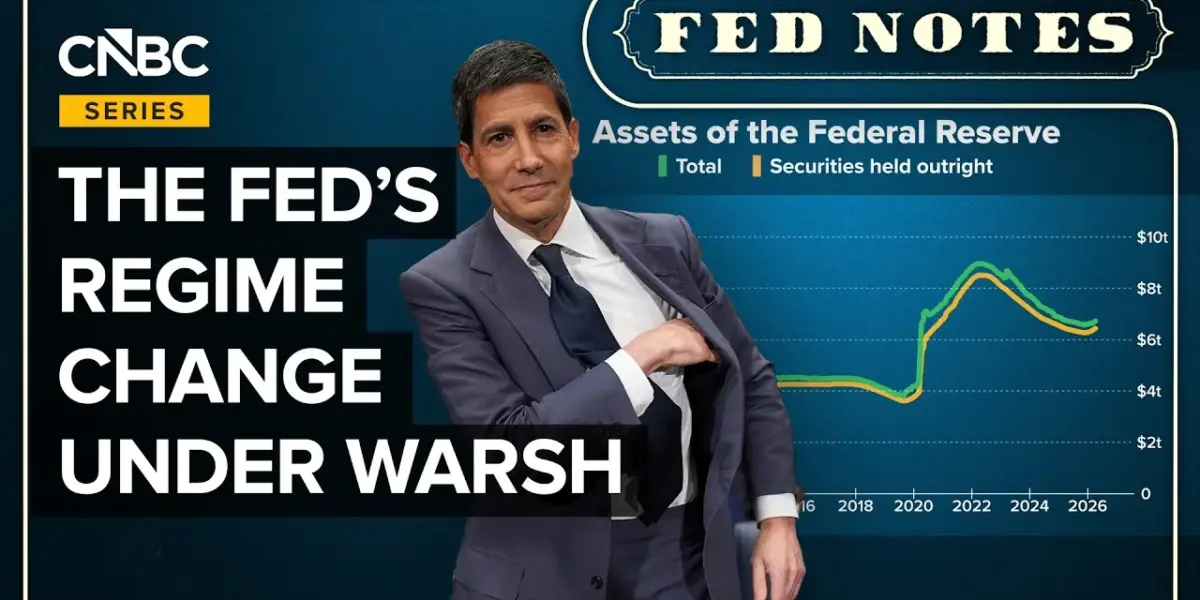
Warsh Proposes Major Fed Overhaul
Kevin Warsh, a nominee for the Federal Reserve, signaled a significant shift in central bank policy during his confirmation hearing. He believes the Fed has fallen short since the 2008 financial crisis and advocates for reforms to improve its effectiveness. Warsh stated his intention to foster an environment where skilled individuals can perform at their best if confirmed for the role.
CNBC economics reporter Matt Peterson covered the hearing in Washington, D.C., focusing on Warsh’s bold proposals. Warsh explicitly stated he would eliminate “forward guidance,” a practice where the Fed signals future policy moves to the market. This approach, used since the financial crisis, has yielded mixed results, according to Warsh.
Rethinking Fed Communication
Warsh also expressed skepticism about the “dots,” a system where Fed officials anonymously predict future interest rate levels. He suggested this practice might be discontinued. Warsh indicated a desire to reduce the frequency of public statements from Fed officials, though he would likely still hold some press conferences.
He emphasized that Congress’s role is to ensure price stability, and inflation control is a decision for the Fed. Warsh wants to fundamentally re-examine how the central bank approaches inflation measurement. Currently, the Fed closely monitors “core PCE,” or personal consumption expenditures, excluding volatile food and energy prices.
Inflation Measurement Under Scrutiny
Warsh aims to collaborate with the Bureau of Labor Statistics to alter the core inflation metrics used in economic discussions. While the specifics remain unclear, this change would represent a substantial departure from current practices. It could alter how the Fed interprets and responds to inflation trends in the economy.
Balance Sheet Policy Questioned
Since the financial crisis, the Fed has engaged in large-scale asset purchases, buying trillions in government debt and mortgage-backed securities. This policy, intended as temporary, was a point of contention for Warsh, who left the Fed in 2011 partly due to disagreements over such plans. He views the Fed’s interest rate tool as more equitable.
Warsh believes the balance sheet tool, which involves buying assets, disproportionately benefits those who already own financial assets. He contrasts this with the interest rate tool, which he feels “gets in the cracks” and is fairer to a broader range of the economy. This highlights a potential shift in how the Fed might manage its balance sheet under his leadership.
Juggernaut Fund Scrutiny
A significant portion of the hearing focused on the “Juggernaut Fund,” an investment vehicle held by Warsh valued at over $100 million. Details about this fund are scarce, raising questions about its holdings. Warsh faced inquiries regarding potential investments in companies linked to President Trump, those involved in money laundering, Chinese-controlled entities, or Jeffrey Epstein’s financing vehicles.
While such investments are considered unlikely, Warsh’s disclosure forms have a footnote from the Office of Government Ethics stating he is out of compliance regarding these holdings. This presents a challenge for his nomination. However, strong support from Republican senators suggests this issue may not be significant enough to block his appointment to the Fed.
Market Impact
Warsh’s proposed changes, if implemented, could lead to a less predictable Federal Reserve. Eliminating forward guidance might increase market volatility as investors would have less insight into future Fed actions. Changes to inflation measurement could also impact economic forecasts and interest rate decisions.
His critique of the Fed’s balance sheet policy suggests a potential reduction in asset purchases or a different approach to managing the Fed’s holdings. This could affect bond markets and overall liquidity in the financial system. Investors will be watching closely to see if these reformist ideas gain traction within the central bank.
What Investors Should Know
Investors should understand that Warsh’s nomination represents a potential shift towards a more traditional and less communicative central bank. The focus would likely return to the primary interest rate tool, with less emphasis on asset purchases and forward-looking statements.
The scrutiny over his financial disclosures, particularly the Juggernaut Fund, highlights the importance of transparency for Fed officials. While this may not derail his nomination, it sets a precedent for future confirmations. Warsh’s confirmation could usher in a time of significant reform at the Federal Reserve.
Source: How Kevin Warsh Wants To Change The Fed (YouTube)

Related Articles
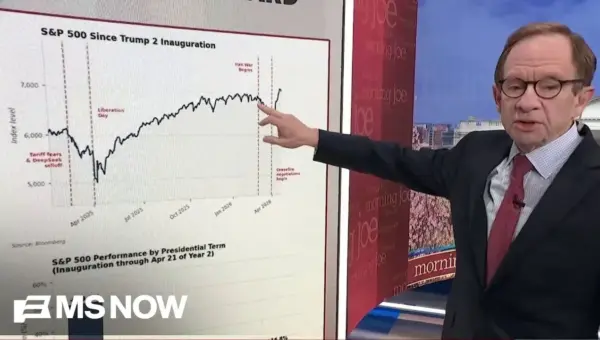
Stock Market Soars Despite War, Tariffs: What’s Behind It?
The U.S. stock market has reached new highs despite global conflicts and tariffs, driven by strong corporate earnings fueled by AI investments and tax relief. However, consumers are seeing little benefit, with stagnant purchasing power impacting their financial well-being.

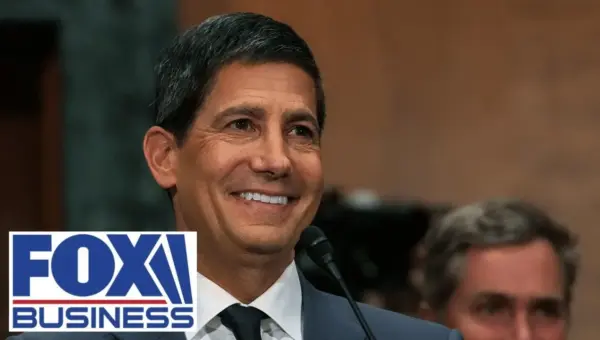
PIMCO Expert Sees Inflation Lag, Favors Shorter Bonds
PIMCO Vice Chair John Studzinski believes Federal Reserve nominee Kevin Warsh handled his Senate testimony well, affirming his independence. Studzinski anticipates a Fed pause next week but sees potential for one more rate cut by year-end, citing lagging inflation impacts from energy and supply chain shocks. He favors shorter-duration bonds amidst market volatility.


Americans Give Trump’s Economy Failing Grades
Everyday Americans are expressing significant frustration with the current U.S. economy, with many giving it failing grades like 'F' and 'C-'. Concerns about the rising cost of living and personal financial struggles were voiced by individuals polled at a gas station in Orlando. These sentiments highlight a disconnect between national economic indicators and the lived experiences of many citizens.