Trump Orders Navy to Shoot Smugglers in Hormuz Strait
President Trump has ordered the U.S. Navy to shoot and kill any small boats laying mines in the Strait of Hormuz. This action escalates tensions with Iran, which has also seized vessels in the region. The move aims to protect vital global oil shipping lanes.

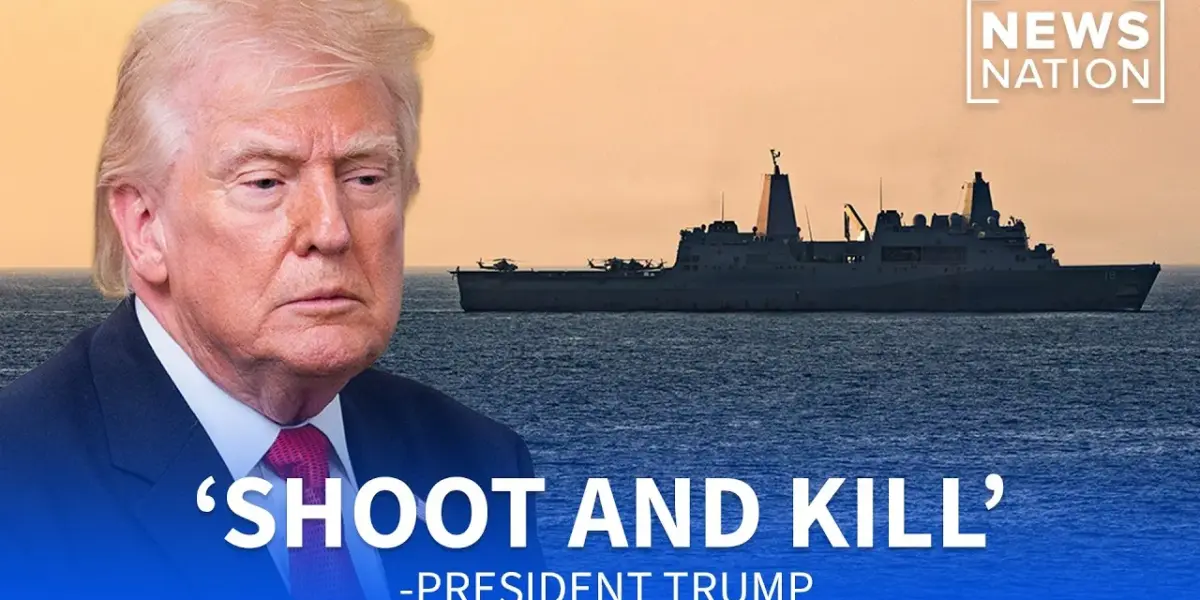
Trump Orders Navy to Shoot Smugglers in Hormuz Strait
President Trump has given a direct order to the U.S. Navy: shoot and kill any small boats attempting to lay mines in the Strait of Hormuz. This strong command shows the president’s firm stance on protecting vital shipping lanes.
The order comes amid rising tensions in the region. It emphasizes that there should be no hesitation in taking action against vessels posing such a threat. U.S. mine sweepers are actively working to clear the strait, with efforts now running at a much higher pace.
This move is part of a broader strategy to increase pressure on Iran. The Pentagon recently released footage showing the seizure of a ship in the Indo-Pacific. This vessel was not flying any nation’s flag and was suspected of providing material support to Iran.
Iran has responded by showing its own actions. State media released images of Iranian fighters boarding and seizing two separate vessels in the Strait of Hormuz. However, the White House does not see this as a violation of any ceasefire, stating the ships were not U.S. or Israeli owned.
Regional Tensions and Naval Maneuvers
Meanwhile, a ceasefire between Lebanon and Israel is reportedly holding. The U.S. is set to host more peace talks between the two nations. Lebanon is seeking an extension of the current ceasefire agreement.
The U.S. is also repositioning its naval forces. The USS Bush carrier strike group is expected to arrive in the region soon. This adds to the U.S. military presence, which already includes the USS Ford operating in the Red Sea after needing repairs.
These naval movements are aimed at maintaining a blockade and applying pressure. Over 30 ships have already been turned away by U.S. naval forces in the area. This shows a consistent effort to control maritime traffic and deter unwanted activities.
Iran’s Stance and Diplomatic Impasse
Iran, however, remains defiant against this pressure. An Iranian Parliament speaker stated that reopening the Strait of Hormuz is impossible under current conditions. They believe their goals cannot be achieved through military aggression or bullying.
The speaker emphasized that the only path forward involves recognizing the rights of the Iranian nation. This highlights a deep divide in how the situation is viewed and the desired outcomes for regional stability. Both sides appear to be engaged in a tit-for-tat exchange on the waterways.
Why This Matters
The Strait of Hormuz is incredibly important. It is a narrow waterway through which a significant amount of the world’s oil passes. Any disruption here can cause major problems for the global economy, leading to higher fuel prices for everyone.
President Trump’s order reflects a desire to maintain freedom of navigation and prevent Iran from using the strait as a tool for leverage. It’s a strong signal that the U.S. will not tolerate actions that threaten international shipping or its allies.
Historical Context and Future Outlook
This area has a long history of geopolitical tension. The U.S. has frequently increased its naval presence in the Persian Gulf to ensure the free flow of oil. Past incidents have sometimes escalated quickly, showing how fragile the peace can be.
The current situation involves a complex interplay of military actions, diplomatic efforts, and regional power struggles. The U.S. is trying to deter Iranian aggression while also supporting peace talks in other areas. Iran, conversely, seems determined to assert its influence and resist what it calls bullying.
The arrival of additional U.S. naval assets indicates a commitment to maintaining a strong presence. However, Iran’s firm stance suggests that diplomatic solutions will be challenging. The coming weeks will show if these actions lead to de-escalation or further conflict.
The situation remains fluid, with both sides applying pressure. The U.S. aims to force Iran to change its behavior, while Iran insists on recognition of its rights. The effectiveness of these tactics in achieving lasting stability is yet to be determined.
The next round of peace talks between Lebanon and Israel is scheduled for today. The U.S. Navy continues its operations in the Strait of Hormuz to ensure maritime security.
Source: Trump authorizes use of force on mine-laying boats in Strait of Hormuz (YouTube)

Related Articles


Canada Rejects US Demands, Shifting Trade Ties
Canada is pushing back against U.S. economic pressure, driven by perceived arrogance and destabilizing trade demands. This is hurting American businesses, especially in tourism-reliant states like New Hampshire, and signals a potential shift in North American economic ties. Canada is actively seeking new trade partners, reducing its reliance on the U.S. and challenging Washington's dominant position.

US Blinded by Past Power, Faces Iran’s New Resolve
Lt. Col. Daniel Davis argues the US is clinging to outdated notions of power, failing to grasp Iran's new resolve. This miscalculation risks escalating economic instability and highlights the limits of military intervention.

Iran Seizes Ships; Navy Chief Ousted Amid Tensions
Iran seized two ships and attacked three others in the Strait of Hormuz, while the U.S. maintains its naval blockade. Amid rising tensions, Navy Secretary John Fallon was reportedly ousted due to disagreements. Meanwhile, wildfires rage across the South, and millions brace for severe weather in the Midwest.