US Tightens Grip: Iran Blockade Sparks Global Economic Fears
The US is tightening its grip on vital global waterways, imposing a blockade on Iranian ports and boosting military ties with Indonesia near the Strait of Malacca. These actions aim to pressure Iran and counter China's energy imports, while historic talks between Israel and Lebanon offer a potential path to peace. The geopolitical shifts are impacting global markets and raising concerns about economic stability.

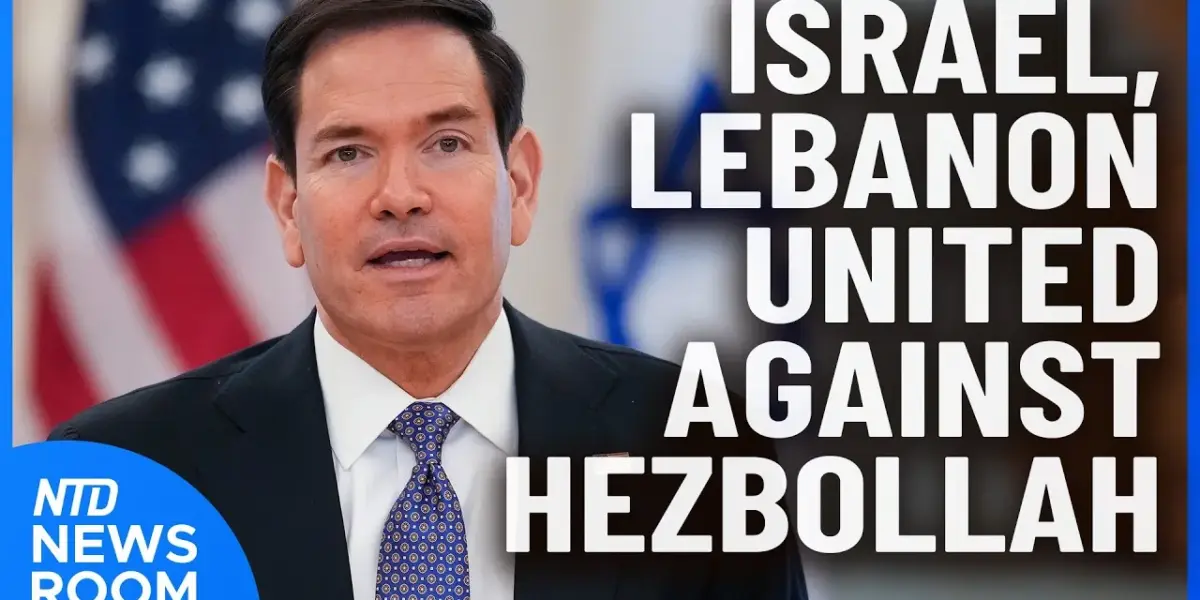
US Tightens Grip on Key Waterways, Iran Blockade Sparks Global Economic Fears
The world’s attention is increasingly focused on critical maritime routes as the United States steps up its presence and actions in key global choke points. Recent developments highlight a significant increase in US military cooperation with Indonesia, focusing on the Strait of Malacca, a vital shipping lane for oil heading to China. This move signals a broader strategy to influence energy flows and counter potential challenges in the region.
Diplomatic Maneuvers and Maritime Pressure
Simultaneously, the US has implemented a blockade of Iranian ports in the Strait of Hormuz. This action comes as President Trump indicated that potential talks with Iran could happen soon, but with a clear precondition: Iran must never possess nuclear weapons. “We’re going to get the dust back,” President Trump stated, suggesting a desire for resolution. However, White House correspondent Iris Tao noted that discussions were moving slowly, and previous talks had not yielded a deal. Despite this, President Trump also mentioned that Iran has reached out, wanting a deal “very badly.”
“They’d like to make a deal very badly. Very badly. If they don’t agree, there’s no deal. There’ll never be a deal. Iran will not have a nuclear weapon.” – President Trump
The blockade, involving thousands of US sailors, marines, and airmen, aims to pressure Iran financially. Retired Lieutenant Colonel Darren Gob explained that an effective, long-term blockade would impact Iran’s ability to fund entities like the IRGC, potentially forcing them to the negotiating table. “It’s the only leverage point they have left in the first place,” Gob remarked, though he expressed skepticism about Iran’s willingness to change its core ideology.
Historic Talks and Regional Stability
In a significant diplomatic development, Israeli and Lebanese officials met in Washington D.C. for the first high-level talks in over 40 years. US Secretary of State Marco Rubio called the meeting historic, expressing hope for a permanent end to decades of conflict and influence in the region. “Our hope here… we can begin to move forward and create the framework where something can happen something very positive, something very permanent,” Rubio said. The talks occurred amid a fragile ceasefire, with Iran having previously demanded Lebanon’s inclusion in ceasefire agreements, which US officials stated was not part of the initial deal.
Economic Ripples and Market Reactions
The geopolitical tensions and diplomatic efforts are having a noticeable effect on global markets. US stocks saw gains as hope for a diplomatic path in the Iran conflict grew, with the S&P 500 nearing record highs. Conversely, oil prices pulled back, with Brent crude falling to around $95 a barrel. Investors are closely watching the potential for a second round of talks before a temporary ceasefire expires. “Markets overseas also moved higher on expectations that talks between the US and Iran could resume,” a news report stated.
The blockade’s impact extends beyond Iran. China, a major importer of Iranian oil, has voiced strong objections, calling the blockade dangerous. “Anytime China wants to, you know, theoretically was going to get oil out of Iran… that gets cut off,” Gob explained, noting that this could significantly hurt China’s already struggling economy and create political instability.
Energy Security and Climate Agendas
In Europe, President Trump urged Britain to open its North Sea oil fields, calling the refusal “tragic” given the continent’s energy needs. He pointed to Norway selling its North Sea oil to Britain at double the price, stating, “Europe is desperate for energy and yet the United Kingdom refuses to open North Sea oil, one of the greatest fields in the world.” This call for increased domestic energy production comes as Treasury Secretary Scott Besson suggested that international financial institutions should prioritize economic growth over climate agendas, citing a retracted study that had influenced climate beliefs.
Broader Geopolitical Strategy
The US’s increased presence near the Strait of Malacca, a key route for oil to China, is part of a larger strategy. The US and Indonesia have upgraded their defense relationship, deepening coordination on maritime security. This move, which includes joint training and deployment of surveillance technology, aims to improve monitoring of the waterway and increase Washington’s presence in Southeast Asia. This development occurs just before a planned meeting between President Trump and Chinese leader Xi Jinping, highlighting the strategic importance of global energy passages amidst rising US-China tensions.
Why This Matters
The current geopolitical climate, marked by increased US pressure on Iran and enhanced military cooperation in key maritime regions, has far-reaching implications. The blockade of Iranian ports, while intended to force diplomatic concessions, risks escalating regional tensions and disrupting global oil supplies, impacting economies worldwide, particularly China’s. The simultaneous diplomatic overtures in the Middle East, like the historic talks between Israel and Lebanon, offer a glimmer of hope for de-escalation. However, the complex interplay between economic pressure, diplomatic negotiation, and military posturing will continue to shape global energy markets and international relations for the foreseeable future. The focus on securing vital shipping lanes like the Strait of Hormuz and the Strait of Malacca underscores a global competition for influence and resources, with significant consequences for economic stability and international security.
Historical Context and Future Outlook
The Strait of Hormuz has historically been a critical chokepoint for global oil trade, and its security has been a constant concern for major powers. The current US blockade represents a significant escalation in US-Iran relations, building on years of sanctions and diplomatic standoffs. The talks between Israel and Lebanon, occurring after decades of strained relations, signify a potential shift in regional dynamics, though long-standing issues remain. The US focus on the Strait of Malacca reflects a growing strategic competition with China for influence in the Indo-Pacific. The future outlook suggests a continued emphasis on securing maritime trade routes, with potential for both increased conflict and diplomatic breakthroughs, depending on how nations navigate these complex geopolitical challenges.
Source: Israel, Lebanon United Against Hezbollah; Report Reveals DEI Economic Toll | NTD Newsroom (April 14) (YouTube)

Related Articles

Oil Prices Surge to $91 Amid Geopolitical Tensions
Oil prices have surged to $91 a barrel, driven by disruptions in the Strait of Hormuz. This is leading to higher gas prices across the U.S., with California facing particularly steep costs. The situation is fueling debate on energy policy, exports, and the transition to renewable fuels.
China Backs Strait of Hormuz Blockade, Halts Iran Arms
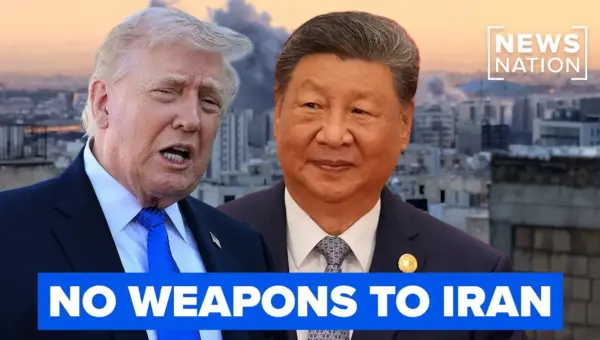
China has agreed not to supply weapons to Iran and is not opposing the U.S. naval blockade in the Strait of Hormuz. This significant development comes as President Trump prepares for a state visit to China and aims to pressure Iran by controlling vital shipping lanes. The move impacts global trade and reshapes regional power dynamics.

US Navy Blocks Iranian Ships in Hormuz
The U.S. Navy successfully blocked six Iranian-linked ships in the Strait of Hormuz using precise radio warnings. This action ensures global shipping lanes remain open amid rising regional tensions. President Trump has indicated a willingness for renewed peace talks.