US Seizes Iranian Ship, Escalating Tensions in Strait of Hormuz
The U.S. Navy has seized an Iranian cargo ship in the Strait of Hormuz, escalating tensions and drawing threats of retaliation from Iran. While military actions intensify, diplomatic efforts are underway, with Pakistan potentially mediating talks between the two nations. Both countries face economic pressures, creating a complex dynamic that could either lead to further conflict or a negotiated resolution.

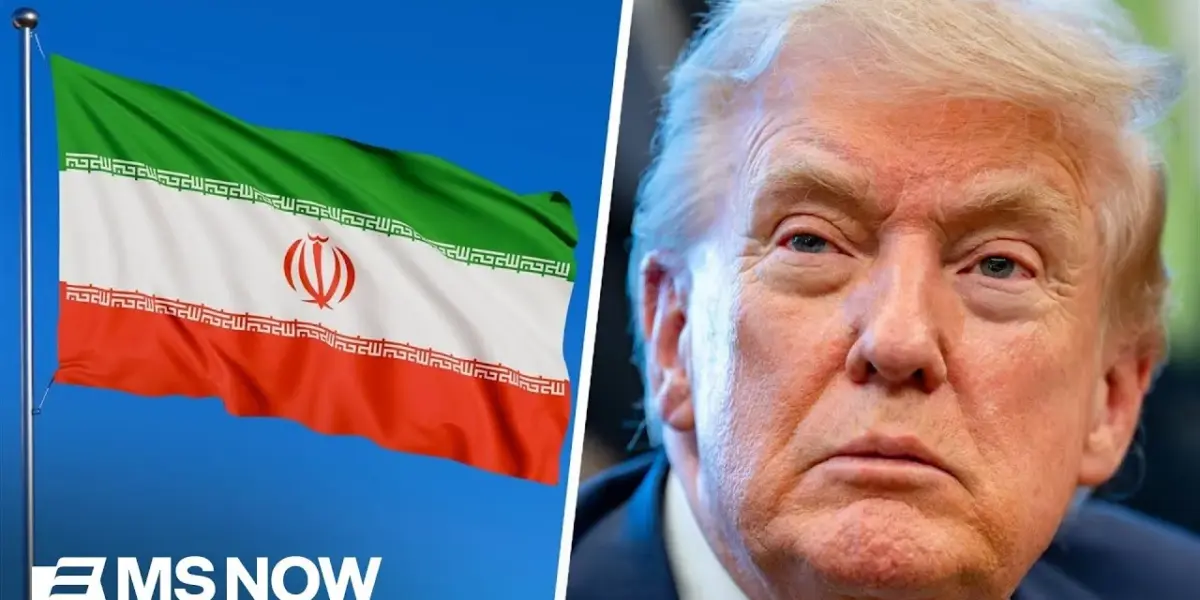
US Navy Seizes Iranian Cargo Ship
The U.S. Navy has taken control of an Iranian cargo ship in the Strait of Hormuz, a critical waterway for global oil transport. Dramatic footage showed U.S. Marines rappelling from helicopters onto the vessel and securing it.
This action marks the first time the U.S. has used military force to stop a ship in the Strait during the current conflict. The U.S. views this as proof its blockade of the strait is working.
Iran Threatens Retaliation
Iran has reacted angrily to the seizure, vowing to retaliate. While they have not yet taken action, Iran has stated its response will be proportionate to the U.S. action.
The seized vessel was reportedly used by Iran to transport goods, primarily to China. This trade relationship between Iran and China has grown significantly over the past seven weeks of heightened tensions.
Blockade’s Impact and Regional Aggression
U.S. Central Command reported that since the blockade began, 27 vessels have been ordered to turn back or return to Iranian ports. This military action by the U.S. comes shortly after Iran targeted two Indian boats in the same strategic waterway. These aggressive moves by both nations are seen as unhelpful for any potential peace talks.
“This military aggression by the U.S. inside or on the Strait of Hormuz has come on the back of Iranian aggression, which we saw just a day prior when they targeted a couple of Indian boats in the Strait of Hormuz.”
Escalation Concerns and Diplomatic Hopes
The seizure and Iran’s threat of retaliation signal a dangerous escalation. Despite the military actions, both the United States and Iran have reasons to want the conflict to end quickly.
Iran faces severe economic pressure, struggling to export goods or import necessary items. The U.S. also faces domestic economic concerns, with polls showing little public support for prolonged military engagement, especially with upcoming midterm elections.
Internal Disagreements and Diplomatic Openings
There are signs of internal disagreements within Iran. The Iranian president, Ebrahim Raisi, has suggested there is still time to resolve the situation.
This statement could indicate a divide between hardliners and more moderate factions within the Iranian government. Such internal dynamics might create an opportunity for meaningful diplomatic engagement.
Potential for Talks
Despite the U.S. seizure of the ship, there is a glimmer of hope for diplomacy. Pakistan is expected to play a role as an intermediary, encouraging both sides to sit down for talks.
Even if direct negotiations don’t occur immediately, there may be an exchange of messages facilitated by Pakistan. This approach could help de-escalate tensions and open a path toward resolution.
Uncertainty in US Strategy
Reporting on whether a U.S. delegation, including the vice president, will travel to Pakistan for talks remains mixed. Conflicting statements from U.S. officials add to the confusion.
However, there appears to be an underlying desire within the U.S. administration for negotiations to continue. This desire stems partly from the military potentially reaching its limits and the president’s focus on achieving a clear victory.
“The president is interested he can read the polls too in finding a way to a solution but at the same time, he is so determined to get a win, something that he can hold up to show power and dominance and victory here.”
Challenges to Diplomacy
The U.S. president’s public statements, sometimes overstating agreements, have reportedly angered Iran and complicated diplomatic efforts. This approach makes negotiations more difficult. The current ceasefire is set to expire soon, and while an extension is considered the most likely outcome by many, President Trump’s unpredictable nature means a sudden shift back to military action is possible if negotiations falter.
Building Leverage, Not Trust
Building trust between the U.S. and Iran has historically been difficult, and that remains true today. However, some believe that leveraging power is a necessary part of negotiating with adversaries.
The seizure of the Iranian ship is seen by some as an attempt to create such leverage. Successful negotiations, however, require more than just exerting dominance; they demand an understanding of the other side’s perspective.
Iran’s Strategic Position
Currently, Iran perceives itself as being in a strong position. Despite military setbacks and economic hardship, Iran believes it can endure greater pain for a longer period than the United States. This perception means Iran is unlikely to capitulate easily.
Any negotiation process will require significant patience and a deep understanding of Iran’s strategic viewpoint. Rushing the process, as the U.S. has done with its short timelines for talks, is unlikely to yield a breakthrough.
Looking Ahead
With the ceasefire nearing its end and tensions high after the ship seizure, the coming days are critical. The possibility of extending the ceasefire remains, but the unpredictable nature of U.S. foreign policy introduces significant uncertainty. The focus will be on whether diplomatic channels can be effectively utilized to de-escalate the situation, or if military actions will once again take precedence.
Source: Iran feels 'quite emboldened' right now: Fmr. Deputy NSA (YouTube)

Related Articles


Hungary’s Orbán Loses Kremlin Ally Amid EU Sanctions Probe
Hungary's alignment with Russia is under scrutiny following accusations of document shredding related to EU sanctions. This development, coupled with ongoing Russian influence efforts elsewhere in Europe, signals a potential setback for Moscow. Meanwhile, optimism surrounding Ukraine peace talks is tempered by strategic messaging and unresolved territorial disputes.
Trump’s Iran Standoff: Diplomacy or Dangerous Game?
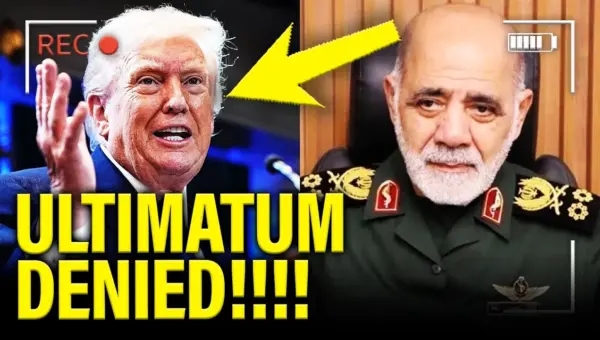
Iran has publicly defied President Trump's demands, refusing to attend negotiations unless the U.S. lifts its Persian Gulf blockade and stops issuing threats. Despite Iran's stance, the U.S. has sent an advance team, highlighting a tense diplomatic standoff. The situation is further complicated by conflicting public statements and social media rhetoric from both sides, raising questions about the path forward.

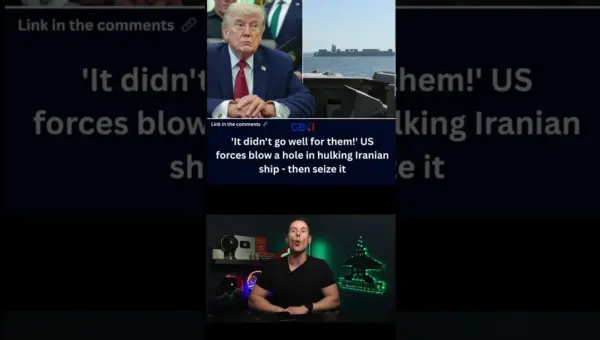
US Navy Blasts Iranian Ship Near Hormuz
U.S. naval forces seized the Iranian cargo ship Motor Vessel Touska near the Strait of Hormuz after a six-hour standoff. The USS Spruance disabled the ship with gunfire, and Marines from the 31st MEU took custody. This action escalates regional maritime tensions as a ceasefire deadline nears.