US Blockade on Iran Offers More Pain Than Progress
A former Pentagon official warns that the U.S. naval blockade on Iran is causing more economic harm to the U.S. and the world than progress in negotiations. Despite U.S. claims of productive talks, the blockade's effectiveness is questioned, and risks of escalation and casualties remain high. The economic repercussions may outweigh any leverage gained, making it a dangerous gamble.

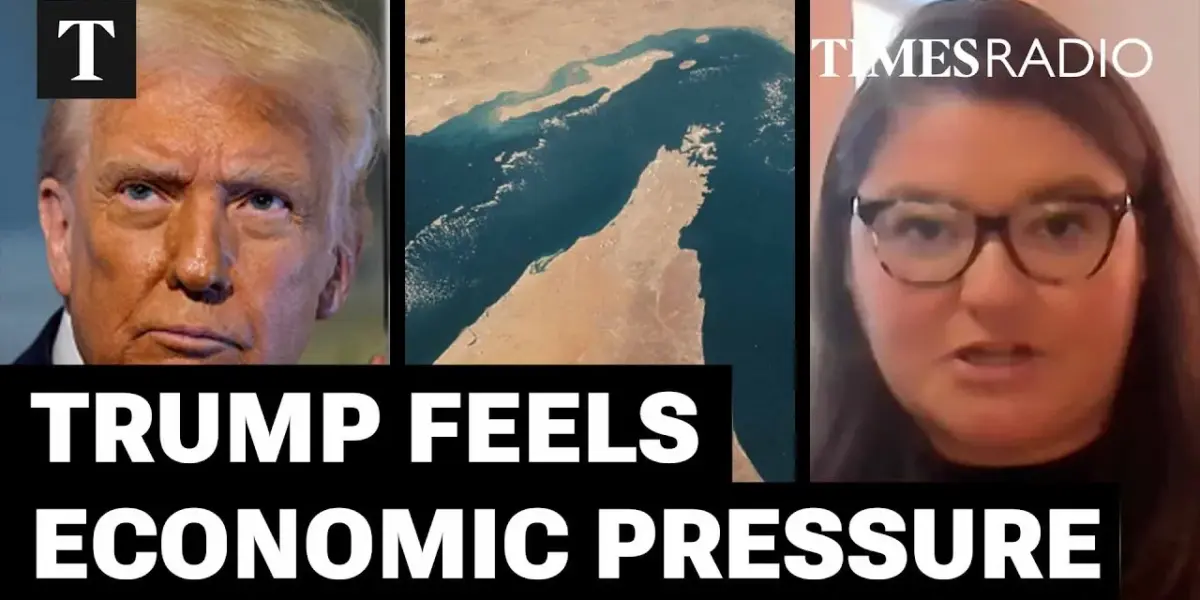
US Blockade on Iran Offers More Pain Than Progress
The United States has imposed a naval blockade on Iranian ports, aiming to increase pressure on Iran amidst ongoing negotiations. However, a former Pentagon official suggests this action is causing more economic harm to the U.S. and the world than it is to Iran, with little clear progress in diplomatic talks. The situation remains tense, with both sides warning of potential escalation.
Blockade Details and Initial Warnings
U.S. Central Command announced a formal blockade of Iranian ports and coastal areas, issuing a final warning to all ships. The directive advised vessels to immediately return to port if leaving and to discontinue transit to Iran. The U.S. stated that attempting to breach the blockade would result in boarding for interdiction and seizure, with force being used if necessary.
“The whole of the United States Navy is ready to force compliance,” the warning declared. This action signals a significant escalation in U.S. efforts to control maritime traffic related to Iran.
Assessing the Blockade’s Effectiveness
Katherine Thompson, a senior fellow at the Cato Institute and former Pentagon official, expressed skepticism about the blockade’s immediate impact on negotiations. “I think that remains to be seen and I think the consequences certainly on the U.S. economy and then on the global economy are starting to be felt,” Thompson stated. She noted that reports from shipping intelligence firms indicated ships were still moving in and out of Iranian ports, questioning the blockade’s enforcement effectiveness.
Enforcing such a blockade carries significant risks. Thompson highlighted the danger to U.S. forces, explaining that a mistake during boarding or interdiction could lead to a firefight and casualties. “If you get a boarding wrong, if you get an interdiction wrong and get into a firefight with enemy forces, it could result in casualties,” she warned.
Targeting Iran’s Primary Leverage
Thompson believes the U.S. is targeting Iran’s main point of leverage: control over the Strait of Hormuz. This strategic waterway is crucial for global oil transport. By attempting to control access to Iranian ports, the U.S. aims to diminish Iran’s ability to influence regional affairs and international shipping.
However, this strategy could backfire. “I think in terms of the unforeseen consequences of that though and the repercussions on the U.S. what we may find is that that may be greater than the actual leverage that we gain in bringing Iran to the table,” Thompson commented. She characterized the move as a “dangerous gamble” due to potential repercussions outweighing the benefits.
Economic Repercussions and Global Concerns
Despite years of sanctions, Iran may not be ready to yield to economic pressure. Thompson pointed out that Iran still possesses ballistic missile capabilities and the ability to inflict damage on U.S. military forces enforcing the blockade. The economic fallout could disproportionately affect the United States and the rest of the world, including Europe.
International finance ministers have voiced concerns. During a meeting of the International Monetary Fund, some ministers, like Britain’s Chancellor, argued that the U.S. entered the conflict without a clear exit strategy. They emphasized de-escalation as the path to reopening the Strait of Hormuz and stabilizing the global economy.
Domestic Political Pressures
While European voices may have minimal influence, concerns are growing within the U.S. Congress. As the 60-day deadline for presidential war authorization approaches, lawmakers are increasingly worried about the economic impacts and the potential for escalation. These concerns are also surfacing within President Trump’s own party, especially with upcoming budget negotiations and the midterm elections.
“The economic impacts are top of mind to voters and Republicans are facing losing control of both houses of Congress,” Thompson noted. This domestic political pressure might push the administration to seek a resolution, though President Trump’s unpredictable nature makes outcomes uncertain.
Unpredictability and the Path Forward
President Trump has previously expressed optimism about a deal with Iran, suggesting the war is nearing its end and that Iran desperately wants an agreement. However, his administration’s actions, including the naval blockade, create a complex and volatile situation. The White House has maintained that discussions are productive and ongoing, but details remain unconfirmed.
“I would certainly, you know, be looking for an offering. But President Trump is unpredictable in this respect,” Thompson concluded. The administration faces mounting economic pressure and political challenges, making the next steps in the Iran negotiations critical.
Israel’s Role and Wider Conflicts
The discussion also touched upon the ongoing conflict between Israel and Hezbollah. Thompson suggested that Washington is unlikely to exert significant pressure on Prime Minister Netanyahu to join a ceasefire. Israel’s political influence in Washington remains strong, making it difficult for the U.S. to push for de-escalation in that specific conflict, which could indirectly complicate broader regional stability efforts concerning Iran.
The situation remains fluid, with the effectiveness of the U.S. blockade and the prospects for renewed talks with Iran uncertain. The coming weeks will likely reveal more about the consequences of these actions on regional stability and the global economy.
Source: US Feels More Consequences Than Progress On Iran Negotiations | Former Pentagon Senior Official (YouTube)

Related Articles
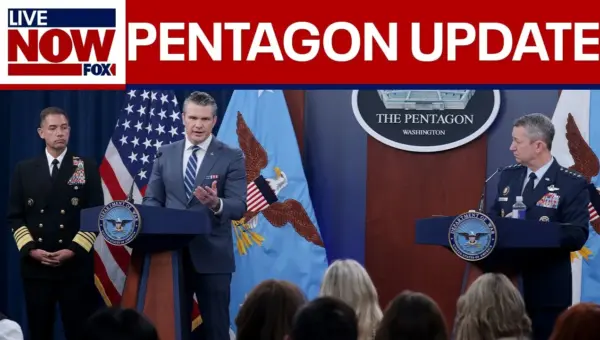
US Imposes Naval Blockade on Iran Amid ‘Operation Epic Fury’
The U.S. has implemented a naval blockade against Iran as part of 'Operation Epic Fury,' aiming to pressure the Iranian regime while maintaining combat readiness. Officials revealed the operation includes an 'ironclad blockade' and a direct message to Iran's leadership about dwindling military capabilities. The U.S. Navy is enforcing the blockade on all ships entering or leaving Iranian ports, with escalating force options available.
Trump’s Desperate Bid for a Win Amidst Global Tensions
President Trump is seeking a decisive win amidst a public feeling of unease and a complex foreign policy challenge with Iran. The Strait of Hormuz standoff and China's role add significant global tension. Analysts debate perception versus reality, while the upcoming midterms loom.
Scandals Rock Congress Amidst Global Tensions
As the U.S. prepares for renewed talks with Iran and a historic diplomatic meeting occurs between Israel and Lebanon, Congress faces its own turmoil. Multiple lawmakers are resigning or under investigation amid serious allegations, raising questions about accountability and integrity.