US Industrial Boom Looms as Mexico Absorbs China’s Lost Jobs
As China's manufacturing advantage fades due to rising wages and demographic decline, Mexico is capturing a significant share of relocated jobs. This shift is poised to boost American industry and create a more balanced North American economy. Analyst Rod Martin believes this realignment offers substantial benefits for the United States.

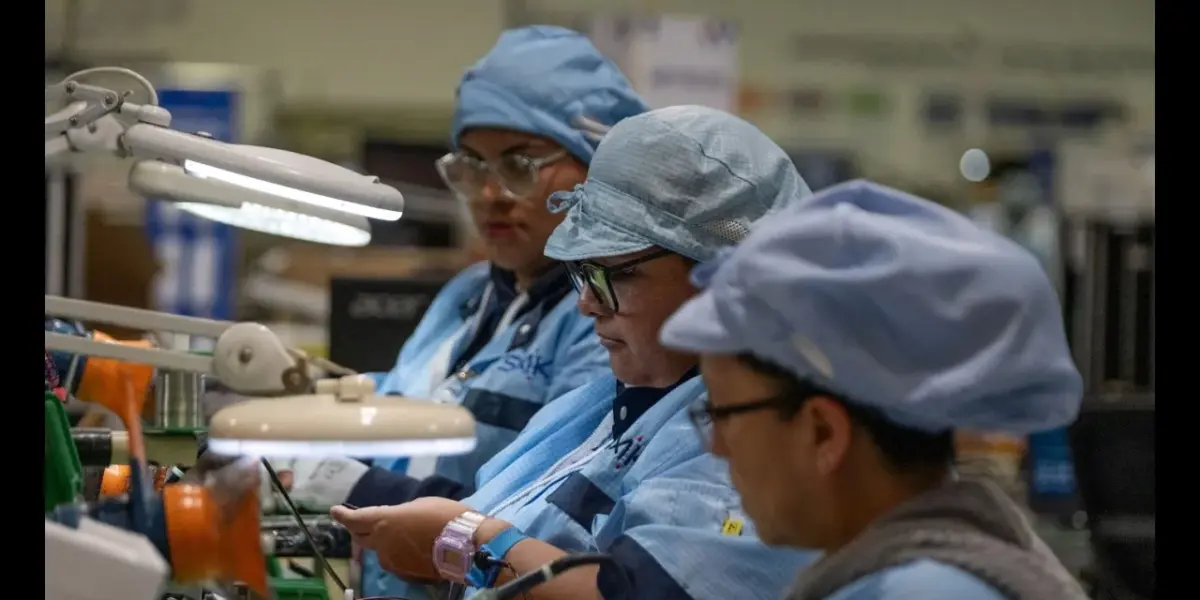
US Industrial Boom Looms as Mexico Absorbs China’s Lost Jobs
A significant shift in global manufacturing is underway, with Mexico poised to become a major beneficiary as companies move operations away from China. This change is not only reshaping supply chains but also positioning the United States for a potential industrial resurgence. Political analyst Rod Martin, founder and CEO of Martin Capital, believes this realignment is ultimately good news for America.
The Shifting Sands of Manufacturing
For years, China has been the world’s manufacturing hub, largely due to its low labor costs. However, this is changing. Wages in China have risen dramatically, sometimes by as much as 1,000% to 1,500% in certain areas. This increase means China can no longer be the cheapest place to produce goods. As a result, many companies are looking for new locations.
While some manufacturing is moving to countries like Vietnam and India, Mexico is emerging as a prime destination. Its location right on the U.S. border offers significant advantages. Mexico is already integrated with American transportation networks. Furthermore, the North American Free Trade Agreement (NAFTA), and now the USMCA (United States-Mexico-Canada Agreement), have improved Mexico’s economy and infrastructure over the decades.
Mexico’s Rising Wages and New Challenges
The economic growth in Mexico has led to a substantial increase in wages, reportedly around 300%. This rise in pay makes Mexico a more competitive option for manufacturers. It also means that the incentive for Mexicans to immigrate illegally to the United States has decreased. In fact, Mexico is now facing its own challenges with illegal immigration as its economy grows.
Having factories in Mexico offers direct access to the United States, the world’s largest consumer market. This proximity is a major draw for businesses looking to streamline their supply chains and reduce shipping times and costs. It’s a stark contrast to the past, when the wage gap between the U.S. and Mexico was so large that it led to significant job losses in American manufacturing.
China’s Demographic Dilemma
Adding to China’s economic challenges is a demographic crisis. The country is aging rapidly while still trying to develop its economy. This is often referred to as getting old before getting rich, a situation that has proven difficult for other nations like Japan and South Korea.
China’s one-child policy, though now ended, has left a lasting impact. The country now has a growing elderly population that needs to be supported by a shrinking number of young workers. Many of these young workers have invested their savings in real estate, which is now losing value as the population declines. This demographic trend presents a long-term problem for China’s economy that is difficult to reverse.
Mexico’s Stable Demographics and Immigration
In contrast, Mexico’s demographics are much more stable and similar to those of the United States. While neither country is at the replacement fertility rate, their rates are significantly higher than China’s, doubling China’s rate. This demographic stability is crucial for long-term economic growth.
An important advantage for both Mexico and the U.S. is their ability to attract immigrants. While they may not need large numbers of immigrants right now, they have the capacity to do so in the future. This is not an option for China, which struggles to assimilate immigrants. This ability to draw on a larger workforce could be a key factor in their continued economic development.
A New Model for American Strength
This continental realignment represents a departure from the globalization model of the 1990s, which often involved subsidizing the movement of jobs overseas. The current trend suggests a move towards a stronger America, built on its geographic advantages, trade partnerships, and a more balanced division of labor.
While some high-end manufacturing, such as semiconductor production, is likely to return to the United States due to factors like government incentives and the need for advanced technology, Mexico is expected to pick up much of the lower and mid-level manufacturing. This division of labor allows the U.S. to focus on its strengths and become an industrial powerhouse, while Mexico benefits from job creation and economic growth.
Why This Matters
This economic rebalancing has significant implications. For the United States, it could mean a revival of domestic manufacturing, creating jobs and strengthening the economy. The proximity of Mexico allows for shorter supply chains, making American businesses more resilient to global disruptions. It also suggests a shift away from a purely globalized economy towards a more regionalized approach, where trade and production are concentrated within geographic blocs like North America.
For Mexico, this influx of manufacturing represents a major opportunity for economic development and poverty reduction. The rise in wages and job creation can lead to improved living standards and a more stable society. The challenge for Mexico will be to manage this growth sustainably and ensure that its infrastructure and workforce can keep pace with demand.
The Future Outlook
Over the coming decades, this trend is likely to continue. As China faces its demographic and economic headwinds, and as companies continue to diversify their supply chains, North America is well-positioned to benefit. The U.S. can leverage its technological and industrial capabilities, while Mexico can absorb manufacturing that requires lower labor costs and proximity to the American market.
This partnership, driven by geography and economic necessity, could lead to a period of shared prosperity for both nations. It’s a vision of a stronger, more integrated North America, capable of competing on the global stage through a smart division of labor and mutually beneficial trade. This isn’t just about moving factories; it’s about redefining the economic future of the continent.
Source: US Set to Become Industrial Powerhouse, Mexico to Pick up the Slack: Analysis (YouTube)

Related Articles


Canada Charts New Course, Ditching US Ties
Canada is forging a new path toward economic independence from the United States under Mark Carney's leadership. New policies aim to ease the cost of living, boost the energy sector, and make home ownership more accessible, signaling a strategic decoupling from American economic pressures.


Iran Halts Hormuz Strait Traffic, Peace Hopes Fade
Iran has reignited tensions by refusing to reopen the Strait of Hormuz, demanding Israel end attacks on Lebanon. This move has sent oil prices soaring and disrupted global supply chains. Experts warn of significant economic consequences and a potential shift in trade flows.


Tariffs Bolster US Steel, Aluminum Amid China’s ‘Rob, Replicate, Replace’ Strategy
New tariffs are strengthening the U.S. steel and aluminum industries, encouraging significant domestic investment and job growth. These measures counter China's 'rob, replicate, replace' strategy and are seen as vital for national security and economic independence.