FBI Director’s Meltdown After Damning Report Revealed
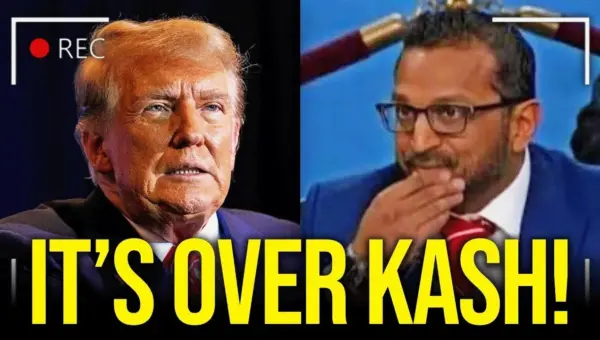
An explosive report in The Atlantic has triggered a public meltdown from FBI Director Cash Patel, who denies allegations of incompetence and substance abuse. The reporter stands by their work, citing multiple sources, while Patel threatens legal action and calls the story "fake news."


FBI Director’s Public Spiral After Damning Report
An explosive report published in The Atlantic has sent shockwaves through Washington, D.C., and appears to have pushed FBI Director Cash Patel into a very public meltdown. The article, released just yesterday, paints a picture of incompetence and alleged substance abuse, sparking a fierce online reaction from the director himself.
Patel’s adviser, Erica Knight, quickly pushed back, calling the report fabricated and stating that serious D.C. Reporters had passed on the story.
She also mentioned that a lawsuit is being filed. This strong denial was met with a direct challenge from the reporter, who defended their work vigorously.
Reporter Stands Firm on Reporting
The investigative reporter behind the expose emphasized their long history of award-winning journalism across various organizations. They asserted that they stand by every word of their reporting, highlighting their careful and diligent approach. The reporter also noted that their work had been corroborated by nine different sources, adding weight to the claims made in the article.
This segment, in particular, seemed to deeply upset Director Patel, leading him to use his government account to quote tweet the reporter. He publicly declared that he would see the reporter and their “entourage of false reporting” in court, while also continuing to label the story as “fake news.” This public exchange has drawn significant attention, with many watching to see how the situation unfolds.
Contradictory Statements Raise Questions
A closer look at Patel’s own statements reveals a puzzling contradiction. In one instance, he seemingly gave the go-ahead to print the story, saying, “Print it.” However, he then followed up by calling the report “actual malice,” a legal standard that requires proving knowing or reckless disregard for the truth.
The reporter pointed out the oddity of using an email from an adviser as proof of the story’s falsity. Naturally, an FBI communications person would likely dismiss such a report as “absurd.” This tactic, the reporter suggested, does not serve as genuine evidence against the reporting’s accuracy.
Why This Matters
The public confrontation between an FBI Director and an investigative journalist raises important questions about accountability and transparency within law enforcement. When a leader of such a critical agency is accused of serious misconduct, the public has a right to know the truth.
The reporter’s defense, backed by multiple sources and a history of credible work, suggests the allegations warrant serious consideration. The use of official government accounts for personal disputes also blurs the lines between public duty and private reaction, which can erode public trust.
Historical Context of Scrutiny
Leaders of federal agencies, especially the FBI, have historically faced intense scrutiny. Reports of misconduct or incompetence can have significant consequences, impacting the agency’s reputation and its ability to function effectively. The FBI, as the nation’s principal domestic intelligence and security service, operates under a microscope.
Past FBI directors have faced investigations and public criticism for various reasons, from handling of sensitive cases to allegations of overreach. This current situation echoes those historical moments where the integrity and leadership of the bureau were called into question.
Implications and Future Outlook
If the allegations in The Atlantic report are proven true, they could lead to significant repercussions for Director Patel and potentially the FBI itself. The “actual malice” standard, while difficult to meet, becomes a key point in any potential legal battle, especially when reporting is corroborated by multiple sources.
The situation highlights the ongoing tension between powerful institutions and the journalists who investigate them. It also points to the increasing speed at which such conflicts can erupt and play out in the public sphere, amplified by social media and instant communication.
The legal proceedings, if they move forward, will be closely watched. The outcome could set precedents for how such disputes are handled in the future. The public will be looking for clarity and truth amidst the accusations and counter-accusations.
As of now, the legal filings are expected, and the public awaits further developments. The story continues to unfold, with many anticipating the next steps in this high-stakes confrontation.
Source: Kash Patel Melts Down After Explosive Report #politics #fyp #new (YouTube)

Related Articles


Pope Francis Rejects Trump Debate Idea
Pope Francis has clarified his position on engaging with former President Donald Trump, stating that a debate is not in his interest. The Pope emphasized that his recent speech on peace was prepared before Trump's comments and was not intended as a political response. His focus remains on his spiritual mission and promoting peace.


Strait of Hormuz Reopens Amid Shifting Power Dynamics
The Strait of Hormuz has reportedly reopened, with President Trump claiming credit amid complex negotiations with Iran. Meanwhile, explosive allegations surface regarding FBI Director Cash Patel's conduct, and Defense Secretary Pete Hegseth faces ridicule for quoting Pulp Fiction at a prayer service. These events raise significant questions about leadership and stability within the administration.

FBI Director’s Boozy Behavior Sparks National Security Fears
Reports allege FBI Director Kash Patel's excessive drinking and alleged incompetence pose a national security risk. The Atlantic detailed incidents of extreme intoxication and questionable conduct, leading to legal threats from Patel against the journalist. His spokesperson denies the claims, but the allegations have sparked widespread concern.