Trump’s Tactics Threaten Iran Peace Talks, Analyst Warns
Vice President JD Vance is set to lead new peace talks with Iran in Pakistan. Analyst David Rohde warns that former President Trump's unpredictable negotiation tactics may have created deep distrust, making current diplomatic efforts precarious. This history could force the U.S. back to square one in its quest for peace.

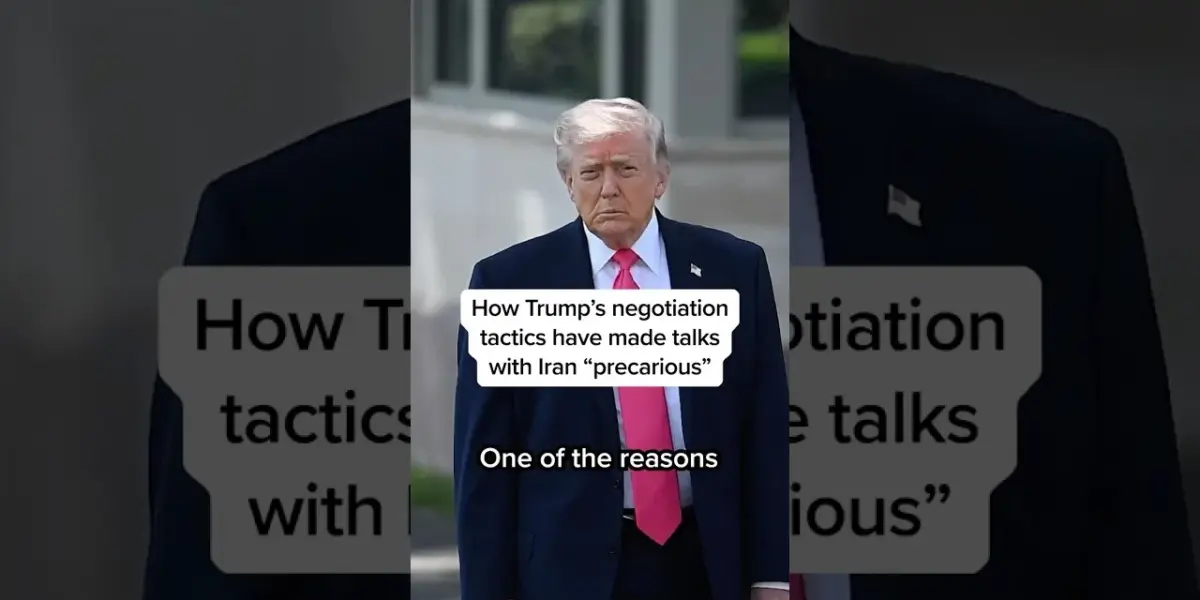
Trump’s Tactics Imperil Iran Peace Talks
Vice President JD Vance is reportedly preparing to lead new peace talks with Iran, but a concerning analysis suggests that former President Trump’s past negotiation methods could be a major obstacle. These tactics may have brought the United States back to square one in its efforts to achieve peace with Iran. This situation makes the upcoming talks in Pakistan particularly precarious.
A Difficult Road Ahead
David Rohde, speaking on MS NOW, explained that Trump’s approach to negotiation often involved unpredictable and aggressive tactics. These methods, while sometimes yielding short-term gains, can also create deep distrust and make future cooperation much harder. Rohde suggests that this historical pattern is now complicating current diplomatic efforts.
Examining Trump’s Negotiation Style
Trump’s negotiation style was famously characterized by a willingness to break with traditional diplomatic norms. He often employed strong rhetoric, sudden shifts in position, and a focus on transactional outcomes. This approach aimed to create leverage by keeping the other side off balance and unsure of the U.S. position.
For example, Trump might have made a demand, then immediately changed it or introduced a completely new issue. This made it difficult for other countries to know what the real U.S. objectives were. Such unpredictability can be effective in certain situations but often damages the long-term ability to build trust necessary for lasting agreements.
Impact on Iran Relations
The analyst points out that Iran, having experienced Trump’s tactics firsthand, may be more hesitant to engage in good-faith negotiations. Past experiences can create a lasting impression, leading to suspicion and a reluctance to make concessions. This makes the current administration’s task of restarting meaningful dialogue even more challenging.
Rohde’s analysis implies that the groundwork laid by previous U.S. administrations, which may have focused on more conventional diplomacy, could be undermined. The unpredictability associated with Trump’s approach can make Iran question the reliability of any U.S. commitment. This makes the current peace talks in Pakistan a critical moment.
The “Back to Square One” Scenario
The phrase “back to square one” suggests that current diplomatic efforts are not building on past progress. Instead, they may be facing the same fundamental disagreements and mistrust that existed before. This means negotiators must overcome not only current issues but also the baggage of past interactions.
This situation requires Vance and his team to work harder to establish credibility and build a foundation of trust. They must convince Iran that the U.S. is committed to a stable and predictable relationship. This is a significant hurdle given the history of U.S.-Iran relations and Trump’s particular brand of diplomacy.
What’s Next for Peace Talks
As Vice President Vance heads to Pakistan, the world will be watching closely. The success of these talks will depend on Vance’s ability to navigate the complex diplomatic landscape.
He must find a way to build trust and address core issues, potentially overcoming the legacy of past negotiation tactics. The coming days will reveal if a new path toward peace can be forged.
Source: How Trump's negotiation tactics have made talks with Iran "precarious" (YouTube)

Related Articles
Trump Faces Gas Price Backlash and Revolt
President Trump faces plummeting approval ratings and public anger over soaring gas prices, fueled by a costly ongoing war. The administration is also dealing with a significant cabinet shake-up and potential economic aid for allies, all while voters express buyer's remorse.

Trump’s Iran Policy: War Bravado Meets Diplomatic Chaos
As a fragile ceasefire nears its end, Donald Trump's volatile rhetoric and erratic decision-making are casting a shadow over potential peace talks with Iran. A new report details his behind-the-scenes anxieties and fears of repeating past foreign policy failures, while public opinion remains largely negative.

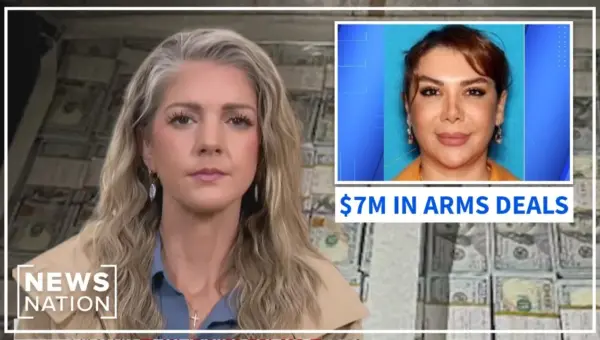
US Arrests Woman Suspected of Arming Iran’s Global Operations
A Los Angeles woman, Shamima Mafia, has been arrested and accused of brokering illegal arms deals for Iran. Authorities claim she facilitated the sale of Iranian-made weapons and ammunition, allegedly destined for Sudan, generating millions in payments. The case highlights the difficulties in tracking international arms trafficking networks.