Millions Made on War News: Is Insider Trading Rampant?
Traders may be illegally profiting from U.S. government announcements related to the Iran conflict, with suspicious trades occurring minutes before major statements. Experts suggest this points to insider trading, though proving it is difficult due to challenges in tracing information sources. The issue raises concerns about corruption and the influence of money in politics.

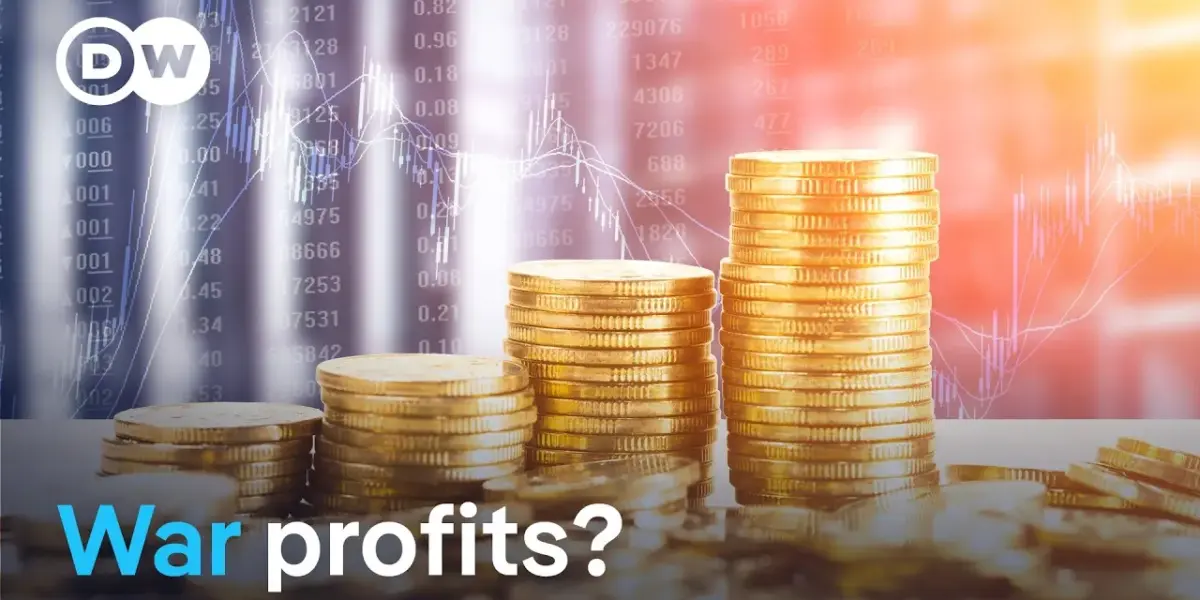
Traders Profit from Iran Conflict Announcements
Suspicious trading activity has surfaced in U.S. markets, with some observers suggesting that individuals may be illegally profiting from information related to the conflict with Iran. Reports indicate significant spikes in trades for stocks and commodities shortly before major announcements from the Trump administration. These well-timed trades, some occurring just minutes before official statements, have reportedly earned traders millions of dollars.
Experts suggest this pattern points to insider trading, a practice that is illegal. The sheer speed and timing of these trades imply that the individuals involved possessed non-public information. This raises serious questions about the integrity of financial markets when geopolitical events unfold.
Expert Analysis of Suspicious Trading
Joshua Mitz, a law professor at Columbia Law School specializing in capital markets and statistical analysis, discussed these developments. He noted that across various markets, including commodities like oil and even prediction markets, exceptionally well-timed trades have been observed. Unknown individuals have made substantial profits, sometimes in the millions, within minutes or hours of significant announcements.
These trades have collectively amounted to tens of millions of dollars, if not more, tied to events that dramatically moved the markets. Professor Mitz explained that if someone within the government, such as in the White House or Pentagon, has knowledge of an upcoming announcement that can impact market values, it is illegal for them to trade on that information or share it with others. This is especially true if the information is classified.
Challenges in Prosecuting Insider Trading
However, Professor Mitz highlighted the difficulty in pinpointing the source of such information. In many observed trades, the identity of the trader and how they obtained the information remain unknown. Prosecutors face a significant challenge in piecing together evidence to build a criminal case, as it requires tracing not only the money but also the flow of information backward.
To secure a conviction, investigators must identify the leaker, whether from the president’s inner circle or another nation’s government. Based on publicly available data, the identity of these individuals is currently unclear. This makes the process of prosecution a complex and demanding task.
Global Scope and Regulatory Scrutiny
Federal prosecutors have stated that investigating such activities is a priority, and U.S. regulators are increasing their oversight. However, Professor Mitz emphasized that this is a global problem. Traders could be located anywhere with internet access, including in other countries and operating through cryptocurrency markets.
This necessitates a coordinated global response to effectively address the issue. The professor also touched upon the challenges of investigating individuals who might be connected to the administration, suggesting that political pressures can complicate fact-finding. He believes that dedicated prosecutors are working to uncover the truth, though the intricate work of tracking communications is time-consuming.
“The actual work of digging out who talked to who and who was texting who and who was in touch with who is just a lot more challenging than it seems. And so I would suspect that the individuals involved in this sort of trading will probably go undetected for quite some time.”
Historical Context and Broader Implications
The issue of insider trading is not new. Apps exist that allow the public to track stock trades made by members of Congress, some of whom have amassed considerable wealth during their tenure. While these recent events are more striking, suspicions of such practices have existed for years.
The potential implications are concerning. If decision-makers are involved in trading based on non-public information, it could influence their policy decisions.
Large bets placed on market outcomes might affect choices regarding public statements and actions. This raises the possibility of corruption on a scale not previously seen.
The Intersection of Politics and Profit
Professor Mitz pointed out instances where President Trump has made statements about negotiations, sometimes creating an impression of progress that later proves uncertain. These statements can be interpreted as attempts to influence market sentiment, whether intentionally or not. This highlights a dangerous mix of money and politics that society must address carefully.
He urged global leaders to be cautious with market-moving statements, ensuring they are made with the public interest, not personal profit, in mind. The professor questioned whether the problem lies more with a lack of rules or a cultural acceptance of risk-taking and gambling.
A Changing Cultural Norm?
The rise of cryptocurrency and meme stocks, especially since the COVID-19 pandemic, has made betting and gambling more commonplace. Professor Mitz posed the question of what kind of society is emerging where such activities are widely accepted. While it might seem harmless for ordinary citizens, the involvement of public servants raises significant concerns about corruption and decisions that do not serve the public good.
These potential conflicts of interest and the possibility of illegal gains from sensitive information highlight the need for robust oversight and ethical conduct in government. The integrity of financial markets and public trust depend on transparency and accountability.
Source: Do insider traders illegally make millions from the Iran war? | DW News (YouTube)

Related Articles
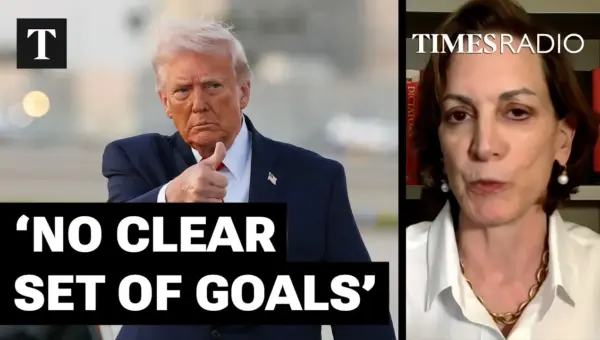
Trump’s Iran Policy Lacks Strategy, Says Journalist
Pulitzer Prize-winning journalist Anne Applebaum criticizes Donald Trump's foreign policy, stating he lacks strategic thinking and a clear "endgame." She points to his unpredictable approach to the Iran conflict and concerns raised within the White House about his decision-making process. Applebaum also discusses allegations of unprecedented corruption and draws lessons from Viktor Orban's recent electoral defeat in Hungary.
Did We Win? The Confusing Reality of US Mideast Policy
President Trump claims victory over Iran, but military deployments and regional changes suggest otherwise. Analysts highlight a gap between official statements and the complex reality on the ground. The situation raises serious questions about the costs and true outcomes of U.S. involvement in the Middle East.

Markets Dip Amidst Iran Tensions; Goldman Sees Opportunity
Global markets dipped as U.S.-Iran tensions flared after the U.S. Navy boarded an Iranian ship. Despite the geopolitical concerns, Goldman Sachs notes continued investor positioning and strong AI sector performance, suggesting potential for further market upside. The situation with Iran remains a key factor to monitor.