Iran Nuclear Deal Fuels National Debate on Security
A significant national debate is emerging over the risks posed by Iran's nuclear program and its government's actions. Concerns are raised about trusting Iran, given its history of hostility and its stated goals. The potential for Iran to acquire weapons capable of destroying cities is a central point of contention.

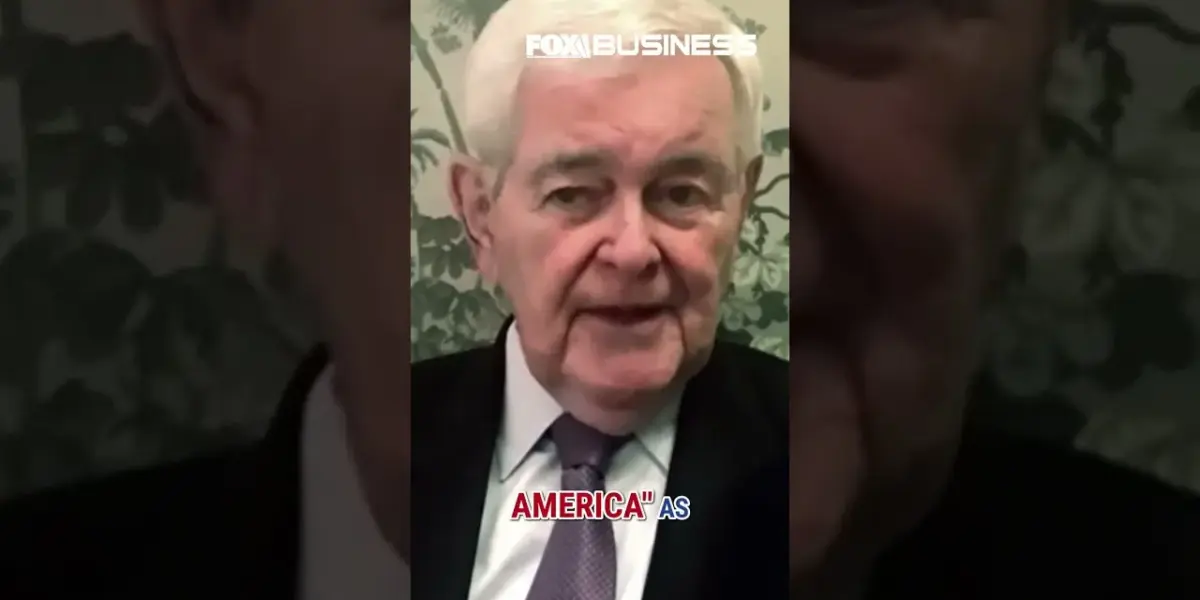
Iran Deal Sparks Fierce National Debate on Security Risks
A contentious debate is emerging over the potential risks associated with Iran’s nuclear program and its implications for global security. The core of the discussion centers on whether to trust Iran’s intentions, especially given its history of actions and its government’s stated goals.
Arguments against trusting Iran highlight its long-standing hostility towards the United States. For decades, Iran has engaged in what some describe as active warfare against American interests. Supporters of a more cautious approach point to the slogan “death to America” as evidence of the regime’s fundamental opposition to the U.S.
This perspective suggests that dismissing these declarations as mere rhetoric is a dangerous gamble. The concern is that Iran, a totalitarian and religiously driven regime, could acquire the means to threaten American cities. This possibility alone, critics argue, warrants serious national discussion.
The severity of the situation is underscored by reports of significant internal repression. The Iranian government is accused of killing over 40,000 of its own citizens this year alone. This internal violence raises further questions about the regime’s stability and its capacity for external aggression.
The central question for the nation is whether to permit a regime with such a record to develop weapons capable of mass destruction. This debate is expected to intensify as the fall approaches, demanding clear answers from leaders and the public alike.
Understanding the Stakes
At the heart of the matter is the Iran nuclear deal, officially known as the Joint Comprehensive Plan of Action (JCPOA). This agreement, reached in 2015 between Iran and several world powers, aimed to limit Iran’s nuclear program in exchange for sanctions relief. However, the terms of the deal and its potential renewal or renegotiation are subjects of intense disagreement.
Critics of the deal worry that it does not go far enough to prevent Iran from eventually developing nuclear weapons. They point to provisions that allow Iran to continue certain nuclear research and development, and the eventual expiration of some restrictions as major flaws. This viewpoint suggests that Iran could use the temporary relief from sanctions to advance its nuclear capabilities covertly.
Conversely, supporters of engagement believe that diplomacy and verifiable limits are the most effective ways to prevent Iran from obtaining a nuclear bomb. They argue that a complete breakdown in negotiations could push Iran to pursue nuclear weapons without any international oversight. This approach emphasizes the importance of maintaining channels for communication and inspection.
The debate is not just about nuclear capabilities but also about Iran’s broader behavior. This includes its support for militant groups in the Middle East, its ballistic missile program, and its human rights record. Opponents argue that these actions demonstrate Iran’s untrustworthy nature and its destabilizing influence in the region.
Market Impact and Investor Considerations
The ongoing geopolitical tensions surrounding Iran have tangible effects on global markets, particularly in the energy sector. Any escalation of conflict or uncertainty about Iran’s nuclear status can lead to volatility in oil prices. Iran is a significant oil producer, and disruptions to its production or exports can impact global supply, often driving prices higher.
Investors closely watch developments related to the Iran deal as they can influence broader economic stability. Increased geopolitical risk can lead to a general flight to safety, where investors move their money into less risky assets like gold or government bonds. This can affect stock market performance, especially in sectors that are sensitive to global trade and economic growth.
For businesses operating internationally, particularly those in the energy, defense, and finance industries, the situation requires careful risk assessment. Changes in sanctions regimes or the outbreak of regional conflicts can significantly alter operating environments and profitability. Companies must be prepared for potential shifts in trade policies and market access.
The long-term implications depend heavily on the outcome of diplomatic efforts and the future trajectory of Iran’s nuclear program. A stable resolution could lead to increased global trade and investment, while continued tensions could create persistent uncertainty and risk premiums in financial markets.
The debate is scheduled to continue throughout the fall, with policymakers and international bodies expected to address these critical security and economic questions.
Source: Newt Gingrich: This should be a MAJOR national debate #shorts (YouTube)

Related Articles


Scientists Vanish: Congress Probes National Security Link
Congress is investigating the mysterious disappearances of rocket scientist Monica Reza and Air Force General William McCasland. The House Oversight Committee suspects a link to sensitive research and has demanded answers from federal agencies.


Missing Scientists Spark National Security Probe
A congressional investigation is underway into the mysterious disappearances and deaths of nearly a dozen scientists and government officials. These individuals held high-level security clearances and worked on sensitive research programs. The probe seeks answers from the Pentagon, FBI, and other agencies.
Mysterious Scientist Disappearances Spark National Security Fears
Several scientists linked to government work have vanished or died under mysterious circumstances, sparking a high-level investigation. Congress is demanding answers as fears grow about potential national security threats. Investigators are exploring connections between projects and possible foreign interference.