Economists Urge Tougher Iran Sanctions, Banking Blockade
Economists Art Laffer and Steve Moore are pushing for a financial crackdown on Iran, including seizing overseas assets and imposing a banking blockade. They argue this personal approach would be more effective than current oil sanctions alone in pressuring the regime.

Economists Urge Tougher Iran Sanctions, Banking Blockade
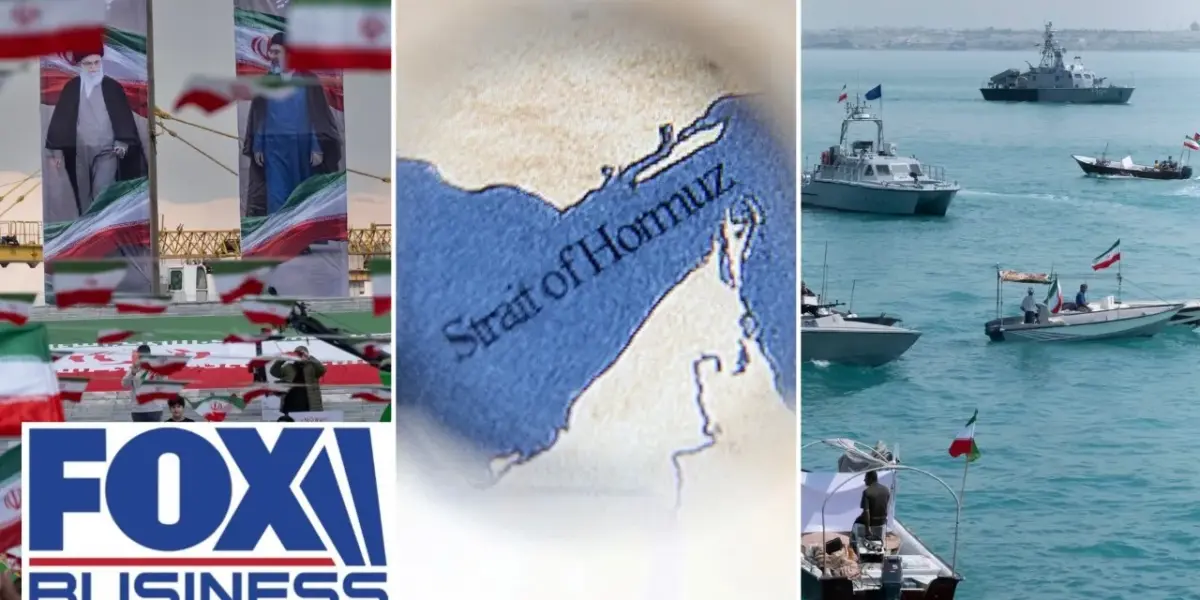
Two prominent economists are advocating for a more aggressive approach to crippling Iran’s economy, suggesting a banking blockade and seizure of overseas assets as key strategies. Art Laffer, former Reagan economist, and Steve Moore, host of “Moore Money” on WABC Radio, believe these measures would be more effective than current oil sanctions alone in pressuring the Iranian regime.
The current oil blockade is reportedly costing Iran around $400 million per day. However, Laffer and Moore argue that Iranian leaders and the Islamic Revolutionary Guard Corps (IRGC) have moved significant funds overseas.
They propose targeting these hidden assets, potentially held in banks in countries like Turkey, Qatar, and Oman. This would involve secondary sanctions, which penalize foreign banks that do business with Iran.
“I want a banking blockade. I want a banking seizure,” stated Laffer during a recent broadcast. “Put it in escrow in the Treasury Department.” He likened the situation to targeting a drug cartel, emphasizing that the IRGC controls numerous businesses within Iran and transfers profits abroad, making many leaders wealthy individuals clinging to their overseas fortunes.
Moore agreed, emphasizing the need to make the situation “personal and private” for Iranian leaders. He recalled President Reagan’s decisive action against Libya in the 1980s, where a targeted strike on Muammar Gaddafi’s compound led to an immediate cessation of hostile actions. Moore believes a similar personal approach, targeting the leaders and their families directly, would force Iran to halt its problematic behavior more quickly than broad economic sanctions.
What Investors Should Know
The discussion highlights the potential for increased geopolitical risk impacting global financial markets. While the focus is on Iran, any escalation of sanctions or military action could create volatility. Investors should monitor developments in the Middle East and understand how international relations can affect energy prices, trade routes, and overall market sentiment.
The economists also touched upon monetary policy and the potential nomination of Kevin Warsh to a Federal Reserve position. Laffer and Moore expressed support for Warsh, believing he would implement a supply-side approach to monetary policy. This would involve stabilizing the monetary base and controlling inflation by potentially shrinking the Federal Reserve’s balance sheet, rather than expanding it.
“You want to keep a good hold on the balance sheet so that you can’t have exorbitant increases in the money supply,” explained Moore, clarifying Laffer’s point. This approach, they suggest, would naturally bring down inflation and interest rates. They believe Warsh’s philosophy aligns with controlling inflation first, which then allows market interest rates to fall on their own accord.
This perspective contrasts with the policies of recent Federal Reserve chairs, who have often used balance sheet expansion to influence interest rates. Warsh’s potential appointment signals a possible shift towards a more disciplined approach to monetary policy. This could involve reducing the size and scope of the Federal Reserve itself, a move strongly supported by Moore and Laffer.
The conversation also briefly touched on market predictions. Moore reiterated his bullish stance, suggesting that with the resolution of certain international issues, the Dow Jones Industrial Average could reach 50,000 or even 55,000, driven by policies he attributes to President Trump. He views the current Iranian regime as a “dying regime” that is struggling to maintain power.
The economists referenced historical figures like Milton Friedman and Robert Mundell, known for their free-market and anti-inflationary economic theories. Their ideas, they argue, should be more central to U.S. economic policy. The discussion concluded with a quote from Golda Meir, former Prime Minister of Israel, reflecting on the nature of conflict and the long road to peace.
The potential for further actions against Iran, including financial measures and possible military responses, remains a key point of discussion. The economists expressed a belief that the current situation is unsustainable for the Iranian leadership, suggesting that a decisive end to their rule is approaching.
Market Impact
The proposed banking sanctions and asset seizures against Iran represent a significant escalation of economic pressure. If implemented, these measures could disrupt global financial flows and potentially increase the price of oil if supply is significantly impacted. Investors should watch for any official U.S. government actions regarding these proposals.
The discussion around Kevin Warsh and Federal Reserve policy is critical. If Warsh is appointed and implements his proposed policies, it could lead to a period of lower inflation and potentially lower interest rates over the long term. However, the short-term effects of shrinking the Fed’s balance sheet could be contractionary for the economy.
The overall sentiment expressed by the economists is one of optimism regarding U.S. economic policy under the current administration, particularly concerning potential stock market growth. However, this optimism is tempered by the ongoing geopolitical tensions surrounding Iran.
The next key event to watch will be Kevin Warsh’s testimony before the Senate Banking Committee. His remarks and responses during the Q&A session will provide further insight into his potential policy direction should he be nominated.
Source: ‘DYING REGIME’: Economist says Iran is ‘trying to cling to power’ (YouTube)

Related Articles
Iran Faces Financial Collapse: Sanctions Intensify
The U.S. Treasury's "Operation Economic Fury" is intensifying financial pressure on Iran by blocking ports and freezing assets. Billions in overseas accounts are targeted, with seizure and secondary sanctions proposed. This strategy aims to cripple the Iranian regime's funding and force its end.


LA Woman Arrested for Alleged Iran Arms Deals
A California woman, Shami Mafi, has been arrested for allegedly brokering hundreds of millions of dollars in weapons sales from Iran to Sudan. Apprehended at LAX while trying to fly to Turkey, Mafi is accused of violating U.S. sanctions and using encrypted messaging to hide her alleged illegal activities. The arrest has shocked her neighbors and highlights concerns about international arms trafficking.
Trump’s Iran Blockade Sparks Market Rally, Offers Economic Hope
The U.S. blockade on Iranian ports has spurred a significant market rally, with stocks reaching new highs and oil prices stabilizing. This economic pressure aims to prevent Iran from developing nuclear weapons and is expected to lead to a swift resolution of the conflict. Investors are optimistic about the resilience of the U.S. economy.