Trump’s Iran Policy: War Bravado Meets Diplomatic Chaos
As a fragile ceasefire nears its end, Donald Trump's volatile rhetoric and erratic decision-making are casting a shadow over potential peace talks with Iran. A new report details his behind-the-scenes anxieties and fears of repeating past foreign policy failures, while public opinion remains largely negative.

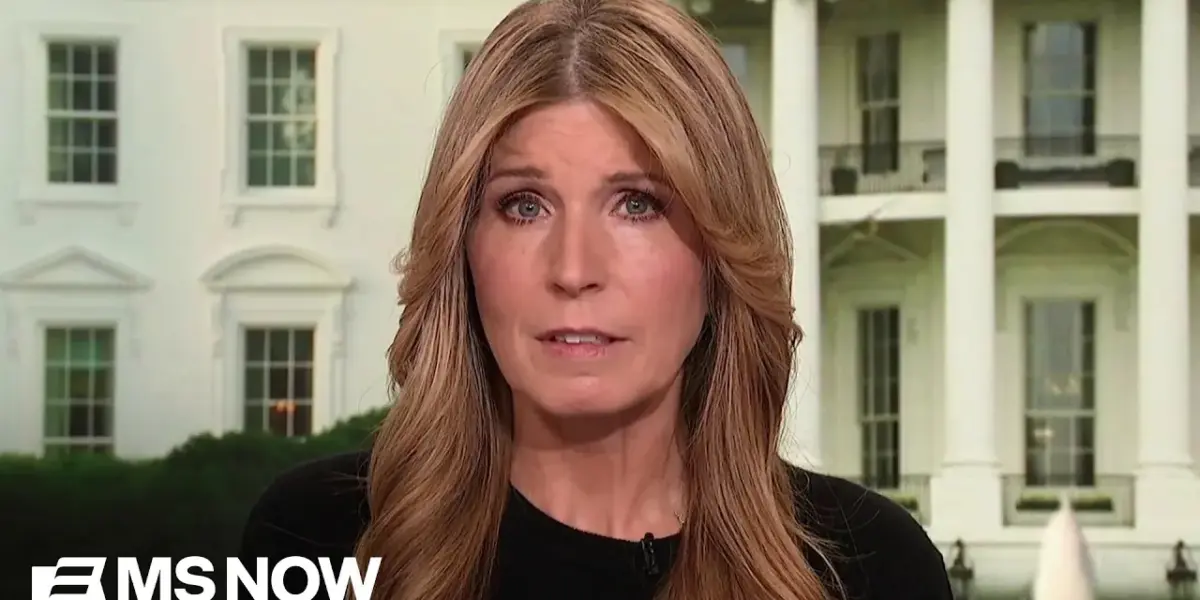
Trump’s Iran Standoff: Peace Talks Loom Amidst Volatile Rhetoric
Eight weeks into a conflict in Iran that Donald Trump initially called a “little incursion,” the prospect of lasting peace remains uncertain. A fragile ceasefire is nearing its end, with hopes for a resolution now tied to peace talks in Pakistan’s capital, Islamabad.
U.S. Vice President J.D. Vance is set to lead the American delegation, which will include Jared Kushner and Special Envoy Steve Witkoff.
The urgency for these talks is clear. Trump announced that the ceasefire would expire Wednesday evening, Washington time. He warned that if the agreement lapses, “lots of bombs start going off.” This statement tempers any optimism about a potential deal, highlighting the unpredictable nature of the situation.
Erratic Decisions Fuel Regional Tensions
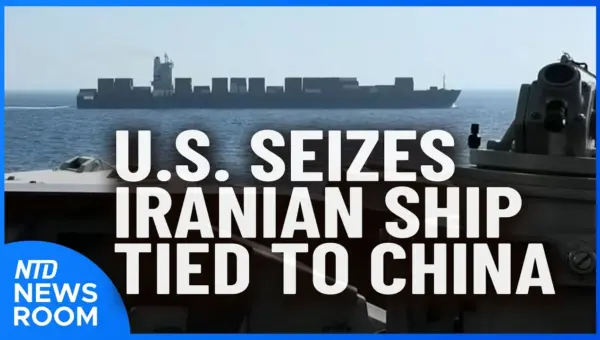
Recent events highlight the chaotic leadership surrounding the conflict. Trump declared Iran had “agreed to never closed the Strait of Hormuz again,” only for Iran to close it the following day. Following reports of Iran firing on Indian flagships, U.S. forces seized an Iranian cargo ship that seemed to be defying a U.S. blockade.
This unpredictable decision-making stands in sharp contrast to the calculated actions of the U.S. military. A new report from The Wall Street Journal details how Trump’s public confidence often hides behind-the-scenes anxiety and erratic behavior. His leadership style is described as a key factor in the ongoing instability.
Behind the Bravado: Fear and Past Failures
The Wall Street Journal report clarifies Trump’s personal struggles with the conflict. On a Good Friday afternoon, after learning an American jet was shot down and two airmen went missing in Iran, Trump reportedly screamed at aides for hours. He repeatedly expressed frustration with European allies, stating, “The Europeans aren’t helping.” High gas prices, averaging $4.09, also seemed to weigh on his mind.
Images of the 1979 Iranian hostage crisis, a significant foreign policy failure, appear to be influencing Trump’s thinking. He has reportedly told advisors that the crisis “cost them the election” and called the situation a “mess.” This connection to past failures suggests a deep-seated fear of repeating history and its potential impact on his own political future.
Public Opinion and Economic Concerns
Public sentiment towards Trump’s handling of foreign policy, particularly regarding Iran, is largely negative. A recent NBC poll shows his approval rating at a low of 37%, the lowest it has been in their polling. On the issue of Iran, a significant majority of Americans disapprove, with more than half strongly disapproving.
While foreign policy isn’t the top concern for most Americans, the economy is. Gas prices, currently at $4.04 a gallon nationwide, are down 2% from the previous week. However, they remain over 35% higher than when Trump began his intervention in Iran, adding economic pressure to the ongoing geopolitical crisis.
Diplomatic Uncertainty and Mistrust
Michael Crowley, a diplomatic correspondent for The New York Times, described the situation as highly fluid. He noted that the U.S. and Iran seem to swing between different approaches, with Trump frequently changing his stance. On the Iranian side, factions within the government are also at odds, with moderates favoring diplomacy and hard-liners resistant to compromise.
Despite the apparent chaos, there are signs that both sides want an agreement. The ongoing talks in Islamabad and the reported drafting of a memorandum of understanding through Pakistani mediators suggest a desire for substantive negotiations. However, deep mistrust, particularly stemming from Trump’s withdrawal from the 2015 Iran nuclear deal, complicates diplomatic efforts.
A Disassembled Decision-Making Apparatus
Former Secretary of the Air Force Frank Kendall expressed concern over the state of the national security apparatus supporting the president. He noted that the normal decision-making structures have been significantly reduced. The National Security Council’s status has been cut, and the Secretary of State has been performing the role of National Security Advisor for some time.
Kendall described this as a situation where a president who relies on intuition is facing a complex strategic challenge without adequate support. This lack of a stable decision-making framework, combined with Trump’s often erratic public statements, creates a volatile environment. The process of negotiating and implementing any potential agreement will likely be slow and requires careful, step-by-step confidence-building measures.
Looking Ahead: The Fragile Path to Peace
As the ceasefire deadline approaches, the world watches to see if diplomacy can prevail over escalating tensions. The upcoming peace talks in Islamabad represent a critical juncture. Success will depend on navigating deep-seated mistrust and the unpredictable nature of leadership on both sides.
The coming days will reveal whether the current path leads to a fragile peace or further conflict. Observers will be closely monitoring the progress of the Islamabad talks and any further statements or actions from the Trump administration and Iranian officials.
Source: ‘DISTURBING portrait of the current and only Commander in Chief’: Nicolle on Trump's war bravado (YouTube)

Related Articles

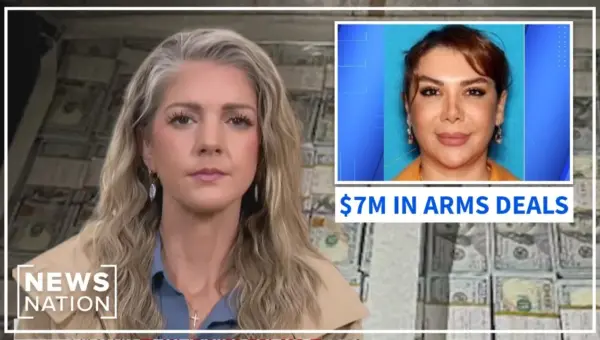
US Arrests Woman Suspected of Arming Iran’s Global Operations
A Los Angeles woman, Shamima Mafia, has been arrested and accused of brokering illegal arms deals for Iran. Authorities claim she facilitated the sale of Iranian-made weapons and ammunition, allegedly destined for Sudan, generating millions in payments. The case highlights the difficulties in tracking international arms trafficking networks.
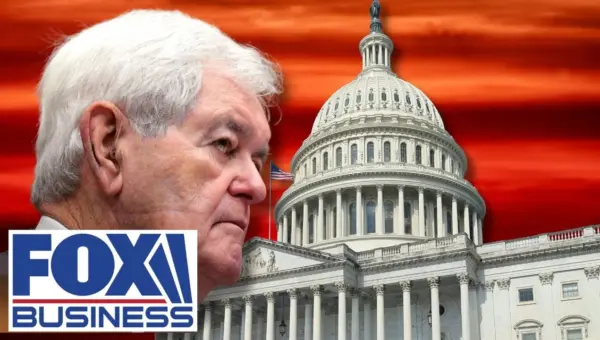
Trump’s Iran Stance Could Define Election
A strong stance on Iran's nuclear ambitions is emerging as a critical election issue, with critics arguing Democrats are misjudging Donald Trump's assertive strategy. The potential threat of Iranian nuclear weapons is presented as a direct danger to American cities, demanding immediate action. This foreign policy debate is seen as potentially overshadowing traditional Republican platforms like the economy.
US Seizes Iran Ship, Signals Tough Stance on Tehran
The US has seized an Iranian ship tied to China, signaling a tough stance on Tehran. This action, coupled with a naval blockade, aims to curb Iran's regional influence and nuclear ambitions. China's complex role and global ambitions remain a key factor in the ongoing geopolitical struggle.