Trump Budget Slashes Domestic Programs, Boosts Defense
President Trump's new budget proposal calls for deep cuts to nearly all domestic agencies, including the Labor and Agriculture Departments, while significantly increasing defense spending. This plan aims for a dramatic restructuring of federal priorities, but relies on optimistic economic growth forecasts to project debt reduction. Analysts suggest the proposal could offer Democrats substantial campaign advantages in upcoming elections.

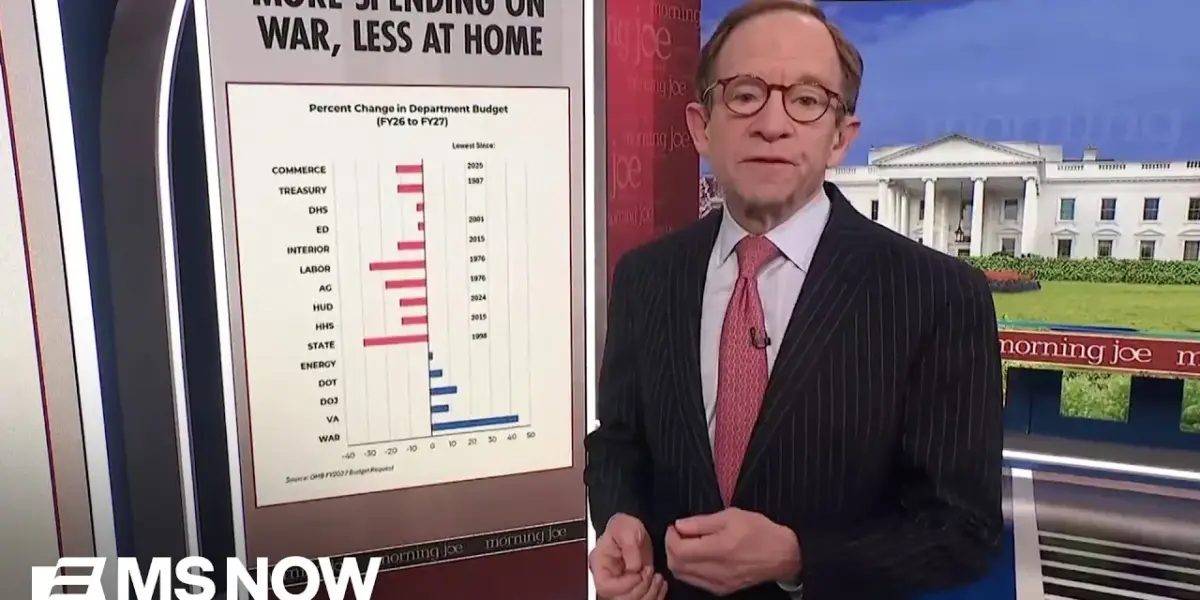
President Trump’s proposed budget for the upcoming fiscal year, set to begin October 1st, outlines a significant restructuring of federal government spending. This plan, prepared before recent international conflicts, proposes deep cuts to nearly every domestic agency while simultaneously calling for a massive increase in defense spending. The proposal aims to reshape the federal government more dramatically than any budget since the New Deal era.
Massive Cuts to Domestic Agencies
The budget targets a wide array of domestic programs for significant reductions. The Labor Department faces a 25% cut, bringing its inflation-adjusted spending levels down to what they were in 1976. Similarly, the Agriculture Department, which oversees crucial programs like food stamps, would also see its funding reduced to 1976 levels after inflation adjustments.
Other departments would be cut back to spending levels not seen since the 1980s or 1990s. Foreign aid programs are also slated for substantial reductions.
Record-Breaking Defense Spending Proposed
In stark contrast to domestic cuts, the Trump administration is proposing a 44% increase in the defense budget. This would create the largest defense budget in history, even after adjusting for inflation.
The plan seeks to raise defense spending from roughly $1 trillion to $1.5 trillion annually. This would dramatically shift the balance of federal spending, with defense accounting for twice the share of GDP compared to domestic discretionary spending.
Historically, defense and domestic spending have been roughly equal as a percentage of the nation’s Gross Domestic Product (GDP). This informal balance was disrupted by increased domestic spending during the COVID-19 pandemic. However, the current proposal seeks an unprecedented reversal, prioritizing military investment over domestic programs on a scale not seen in decades.
Debt Projections Rely on Unrealistic Growth
The administration claims its budget will reduce the national debt as a percentage of GDP. However, independent analysis suggests the debt-to-GDP ratio will actually continue to rise, potentially even faster than current projections. This optimistic debt reduction forecast relies heavily on assumptions of unusually high economic growth.
The budget projects an annual economic growth rate of 3.1%. This figure is significantly higher than forecasts from most private and government economists, who cluster around 2% growth.
Recent economic data shows first-quarter growth was just over 1%, making the administration’s projected growth rate appear highly improbable. This optimistic economic outlook is the primary mechanism for the proposed debt reduction.
Potential Political Impact
Economic analyst Steve Rattner suggested the budget proposal could provide significant campaign material for Democrats in upcoming midterm elections. The stark contrast between deep cuts to domestic programs and a massive increase in defense spending offers a clear narrative for opponents. The proposal’s aggressive restructuring of government priorities and its reliance on questionable economic assumptions could become central themes in political debates.
Budgets are often seen as statements of intent, and this proposal clearly outlines the Trump administration’s priorities. For Democrats, it presents an opportunity to highlight their differing vision for federal spending and to criticize the administration’s fiscal strategy. The budget’s details, particularly the cuts to social programs and the surge in military spending, are expected to be heavily scrutinized and debated in the lead-up to the elections.
Looking Ahead
The proposed budget will now face review and debate in Congress. Lawmakers will scrutinize the spending proposals, economic assumptions, and overall fiscal impact. The potential for significant shifts in federal spending priorities and the political implications of these choices will be key factors in the upcoming legislative session.
Source: Steve Rattner: Trump budget may help Democrats in the midterms (YouTube)

Related Articles

US Debt Crisis Looms: Interest Costs Eat 30% of Taxes
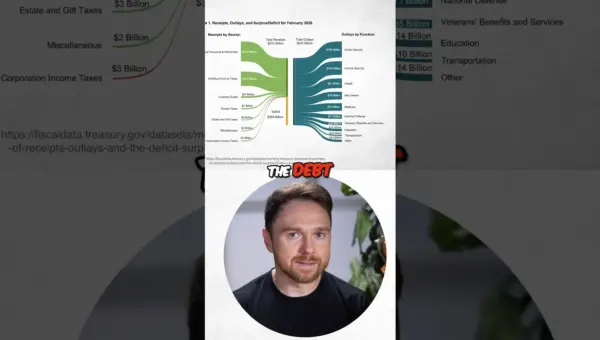
U.S. government finances show a worrying trend as "true interest expense" consumed 30% of tax revenue in February 2026. This measure, covering Social Security, Medicare, and debt interest, reached $48 billion against $313 billion in receipts. This leaves less for other vital services.


Trump Signals Tough Stance on Iran, Ignores Political Pain
President Trump is taking a firm stance against Iran's nuclear program, signaling a willingness to endure potential political and economic costs. Despite concerns about rising gas prices and upcoming midterm elections, the administration prioritizes addressing the Iranian nuclear threat directly.
Shapiro Blames Trump for Global Havoc, Higher US Costs
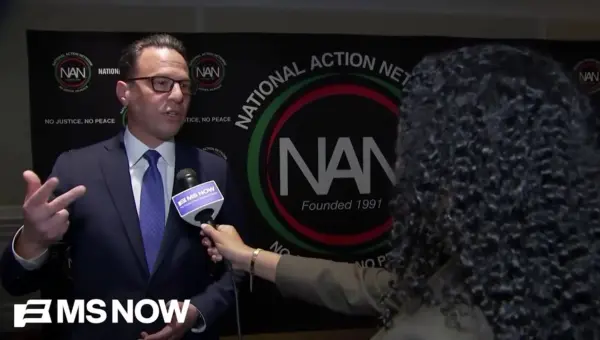
Pennsylvania Governor Josh Shapiro criticized former President Donald Trump's foreign policy regarding Iran, labeling it a "war of choice" that has caused global disruption and increased costs for Americans. Shapiro emphasized his focus on the upcoming midterm elections, strategizing with Democrats to gain control of Congress.