Congresswoman: Follow the Money Behind ICE Detention Centers
Congresswoman Adelita Grijalva argues that private companies profit from the detention of immigrants, making financial incentives a key driver of the system. She urges a focus on the money flow, suggesting it's as important as the cruelty in understanding ICE detention centers. Grijalva's comments highlight concerns about private prison operations and their impact on detainees.


Lawmaker Highlights Private Profit in Immigrant Detention
Congresswoman Adelita Grijalva stated that the system of immigrant detention centers, particularly those operated by private companies, is driven by profit. Speaking on a news program, she argued that the financial incentives behind these facilities are a key factor in understanding their operation and the conditions within them. Grijalva emphasized the need to trace the money flow to fully grasp the issues at hand.
The Financial Incentive for Immigrant Prisons
Grijalva, speaking to Rachel Maddow, asserted that private companies are profiting from the detention of immigrants. She explained that for every individual held in these facilities, someone is making money.
This business model, she suggested, creates a financial incentive to keep detention centers full. This contrasts with the idea that the system is solely about enforcing immigration laws.
“Every person that’s there, someone’s getting paid.”
Rep. Adelita Grijalva
The congresswoman suggested that while the cruelty experienced by immigrants in detention is undeniable, the financial aspect is equally important. She pointed to the Trump administration’s policies as examples of how these systems can be exploited for profit. Grijalva believes that looking at who benefits financially is crucial for understanding the full scope of the problem.
Private Prisons and the Detention System
The United States has a long history of using private companies to manage prisons, including those for immigrants. These contracts allow private corporations to operate facilities and house detainees.
Critics argue that this privatization can lead to a focus on cutting costs, potentially at the expense of inmate welfare and safety. Grijalva’s comments add to this ongoing debate about the role of private industry in the justice and immigration systems.
Immigrant detention centers are often criticized for conditions that can be harsh and overcrowded. Families and individuals seeking asylum or facing deportation are held in these facilities, sometimes for extended periods.
The legal and ethical implications of detaining vulnerable populations for profit are significant. Grijalva’s call to “follow the money” suggests a need for greater transparency in the contracts and financial arrangements between the government and private prison companies.
Calls for Oversight and Reform
Grijalva’s statements highlight a growing concern among lawmakers and advocacy groups about the privatization of immigration detention. They argue that these private contracts need closer scrutiny.
Oversight is necessary to ensure that taxpayer money is being used appropriately and that the rights and well-being of detainees are protected. The push for reform often includes demands for more humane alternatives to prolonged detention.
The financial stakes in the private prison industry are substantial. Companies that manage these facilities receive significant payments from the government. This creates a powerful lobby that can influence policy decisions.
Grijalva’s focus on the financial aspect is a strategic approach to address systemic issues. It suggests that changing the financial incentives could lead to changes in detention practices.
Looking Ahead: Transparency and Accountability
The focus on the financial underpinnings of ICE detention centers is likely to continue. Lawmakers may seek to introduce legislation that increases transparency in contracting or limits the role of private companies. Public attention to these issues could also grow as more information becomes available.
The ultimate goal for many is to create a more just and humane immigration system. Future action will likely involve demands for greater accountability from both private operators and government agencies involved in detention.
Source: Grijalva to Maddow: 'Follow the money' on ICE prisons (YouTube)

Related Articles


Ms. Rachel Speaks Out on Shocking ICE Detention Center Conditions
Children's entertainer Ms. Rachel has revealed shocking details about conditions at the Dilley ICE detention center, citing rotten food, unsafe water, and inadequate medical care. Her advocacy, spurred by conversations with detained children like Daver, has brought renewed attention to the welfare of minors in immigration custody.


AG Keith Ellison Slams Texas ICE Center Conditions
Minnesota Attorney General Keith Ellison has voiced strong condemnation of the conditions at the Dilley, Texas, immigrant detention center, calling it a "moral imperative" to protest the inhumane treatment of families and children. Ellison challenged ICE's official narrative, highlighting data showing many detainees lack criminal convictions and discussing the psychological trauma inflicted on minors. The situation reflects broader concerns about immigration enforcement and its human cost.

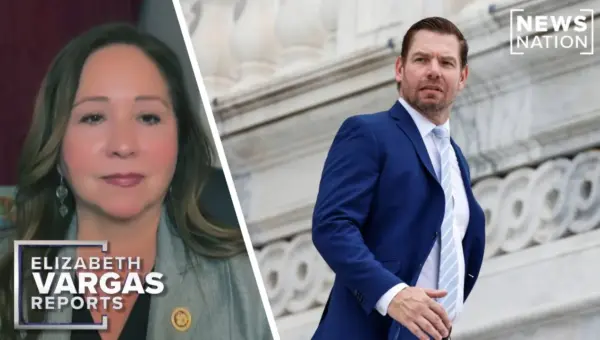
Congress Faces Reckoning Over Ethics and Accountability
Recent allegations against U.S. lawmakers are sparking urgent calls for ethical reform and faster accountability within Congress. Representative Adelita Grijalva highlights frustrations with slow ethics investigations, emphasizing the need to uphold public trust and ensure a safe environment for all. The situation raises questions about the integrity of the legislative process and its impact on national and international confidence.