Trump Claims Iran Can’t Blackmail U.S. Amid Talks
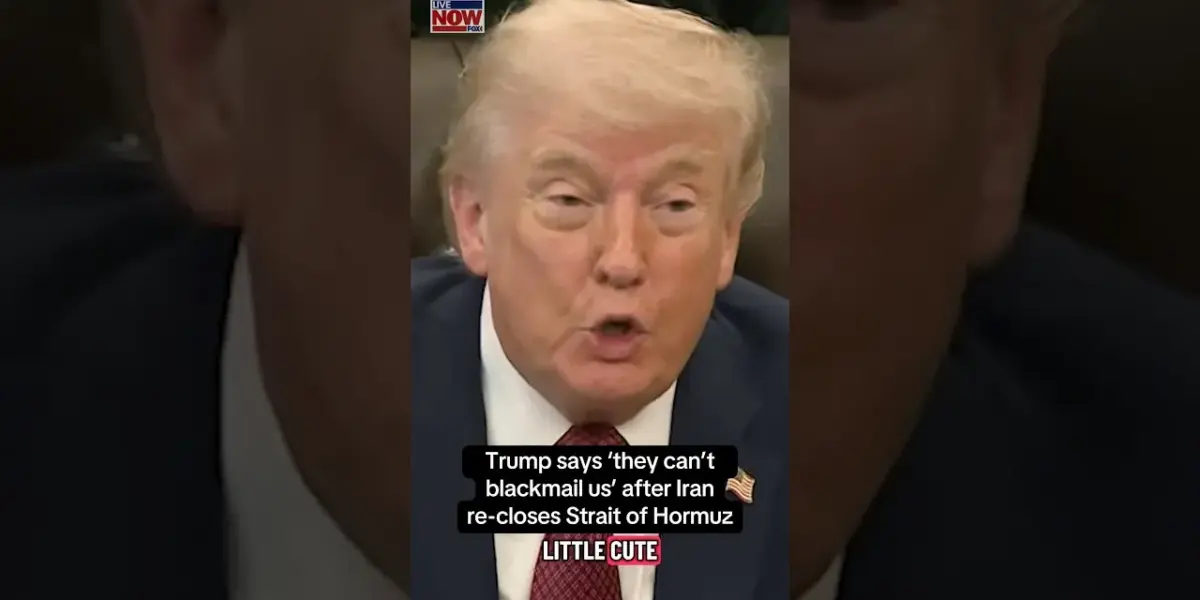
Former President Donald Trump asserted that Iran cannot blackmail the U.S., describing ongoing talks with the nation as progressing well. He highlighted Iran's perceived military weaknesses and claimed his administration has effectively countered their threats, including attempts to disrupt shipping. Trump also noted shifts in global shipping patterns, suggesting increased resilience to Iranian pressure.

Trump Asserts Control Over Iran Amid Ongoing Negotiations
Former President Donald Trump stated that Iran cannot blackmail the United States, even as he described ongoing conversations with the country as progressing well. Trump made these remarks, suggesting a strong stance against Iranian pressure tactics. He asserted that his administration has successfully confronted Iran, unlike previous ones.
Trump detailed his administration’s approach, emphasizing Iran’s perceived weaknesses. He claimed Iran lacks significant military capabilities, stating they have no navy, no air force, and no effective leadership. This assessment paints a picture of a nation he believes is considerably weakened and unable to pose a serious threat.
Iran’s Strait of Hormuz Threats Addressed
The former president specifically addressed Iran’s historical attempts to disrupt shipping lanes, particularly the Strait of Hormuz. Iran has frequently threatened to close this vital waterway, a move that would significantly impact global oil trade. Trump indicated that such threats are no longer effective against the United States under his influence.
He directly stated, “They can’t blackmail us.” This declaration comes as Iran has a history of using the threat of closing the strait as leverage in international dealings. Trump’s comments suggest a confidence that his administration’s policies have neutralized this tactic.
Shifting Shipping Patterns Noted
Adding to his points, Trump mentioned a notable shift in shipping activity. He observed that many ships are now rerouting to ports in Texas and Louisiana. This observation suggests a potential consequence of Iran’s actions or, conversely, a demonstration of alternative shipping routes becoming more utilized.
Trump implied that Iran may have become accustomed to these changes, perhaps even accepting them. He suggested that this new pattern of shipping might continue, indicating a successful adaptation by the U.S. or its allies to circumvent potential Iranian disruptions. This adaptation, he implied, has worked out favorably.
Diplomatic Engagement Described as Successful
Despite the strong rhetoric, Trump described the current diplomatic engagement with Iran as positive. He characterized the conversations as “very good” and stated that the situation is “working out very well.” This suggests a dual approach of asserting strength while also pursuing dialogue.
The former president contrasted his administration’s approach with what he perceived as a lack of action by previous administrations. He claimed that “nobody ever took them on” before his presidency. This framing positions his actions as a departure from past policies, implying a more assertive and effective foreign policy.
Broader Implications and Context
Trump’s statements come amid a complex geopolitical climate involving Iran. The nation faces significant international pressure due to its nuclear program and regional activities. Sanctions imposed by the U.S. and its allies have heavily impacted Iran’s economy.
The Strait of Hormuz is a critical chokepoint for global energy supplies, with roughly 20% of global oil consumption passing through it. Any disruption there can cause significant spikes in oil prices worldwide. Iran’s threats to close the strait are often seen as a response to external pressure and a means to gain bargaining power.
Trump’s assertion that Iran “can’t blackmail us” reflects a confidence in the U.S.’s ability to withstand such threats and potentially find alternative solutions. The mention of ships rerouting to U.S. Gulf Coast ports could indicate a diversification of supply chains or a response to perceived risks in other regions.
Future Outlook
The effectiveness of Trump’s approach to Iran remains a subject of ongoing debate among foreign policy experts. While he projects confidence in his administration’s ability to manage the situation, the long-term implications of these diplomatic and economic pressures are still unfolding.
Future developments will likely depend on the continuation of diplomatic talks, the response of international partners, and Iran’s own strategic decisions. The U.S. presidential election in November could also significantly alter the trajectory of U.S.-Iran relations.
Source: Trump says Iran ‘can’t blackmail us’ (YouTube)

Related Articles
GOP’s Trump Loyalty Now Fuels Their Own Election Woes
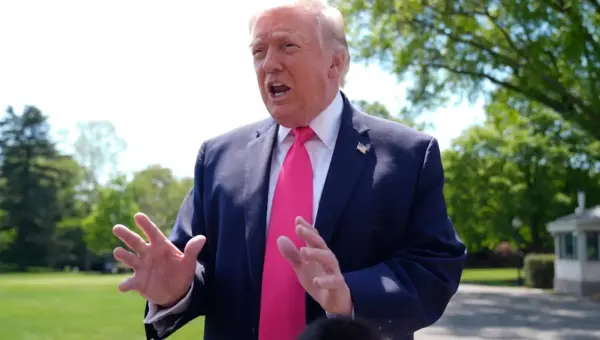
Republicans' decision to back Donald Trump on a controversial war has backfired, hurting their own election chances. Their fear of Trump leads them to sacrifice their independence and electoral prospects. This strategy risks alienating voters who are experiencing real economic pain and moral concerns.

Trump’s Epstein Ties Face New Scrutiny: Will Bondi Testify?
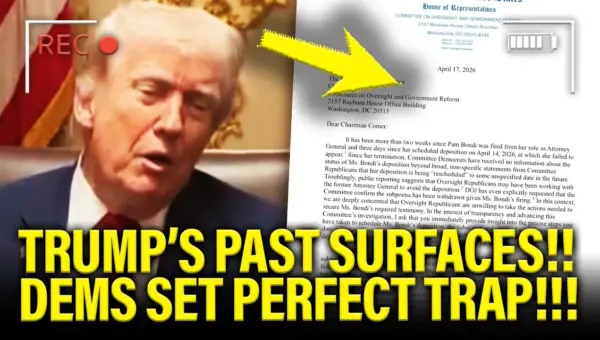
Democrats are intensifying their efforts to uncover the truth about alleged cover-ups related to Jeffrey Epstein's files. A key focus is securing testimony from former DOJ official Pam Bondi, who has so far avoided a subpoena. The investigation raises questions about accountability and transparency.
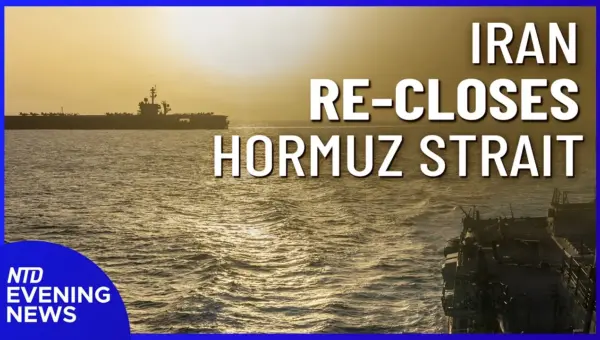
Iran Shuts Strait Again: A Geopolitical Chess Match
Iran has re-closed the Strait of Hormuz hours after announcing its reopening, sparking geopolitical concerns. Analysts suggest this may be a strategic move for negotiations. Meanwhile, President Trump is accelerating research into psychedelic treatments for mental illness, and the nation remembers the 43rd anniversary of the Beirut embassy bombing.