Taiwan Fortifies Remote Islands Amid China’s Growing Threat
Taiwan is reinforcing its remote Pratas Islands due to increased Chinese vessel activity and growing strategic concerns. Upgrades include a stronger wharf and improved defense systems, reflecting Taiwan's efforts to bolster readiness amid rising regional tensions.

Taiwan Fortifies Remote Islands Amid China’s Growing Threat
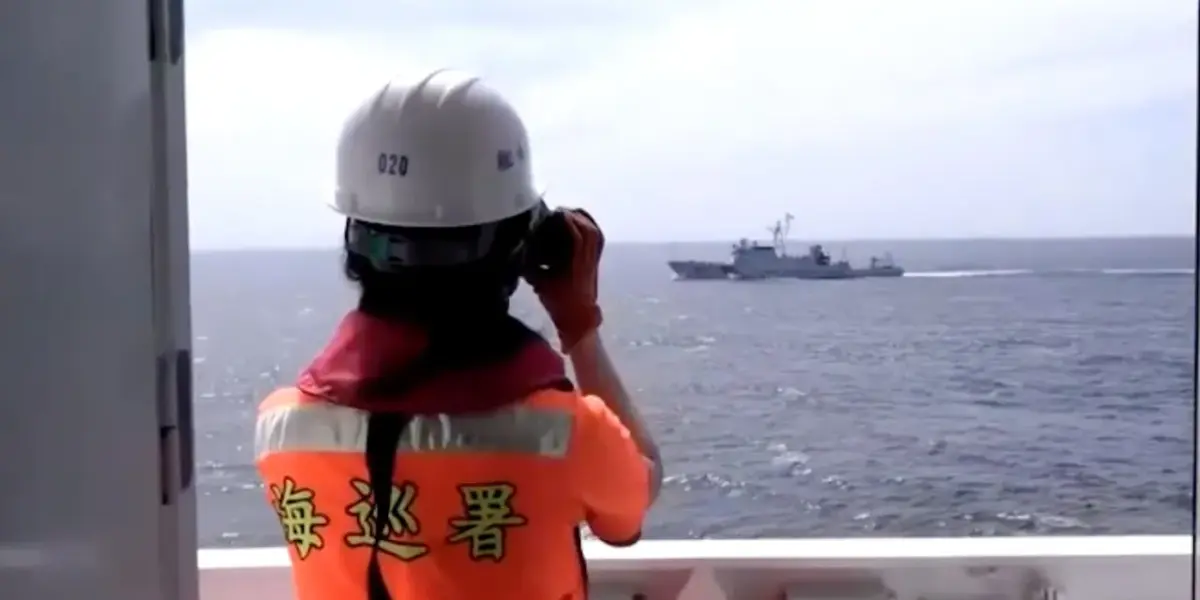
Taiwan is taking steps to strengthen its defenses on the Pratas Islands, a remote outpost in the South China Sea. This move comes as Chinese vessel activity near the islands has reportedly increased. Officials in Taiwan are concerned about the islands’ vulnerability and their important strategic position.
The Ocean Affairs Council announced that upgrades are already happening. They have recently finished building a stronger wharf and plan to send ships with more advanced capabilities there regularly. Taiwan is working on improving the island’s defense systems.
Strategic Location, Growing Concerns
The Pratas Islands are located between southern Taiwan and Hong Kong, about 20 to 50 miles from Taiwan’s mainland. This location makes them difficult to defend effectively. Currently, Taiwan’s Coast Guard, not the military, is responsible for the islands’ light protection.
Taiwanese officials believe these islands hold significant strategic importance for China. Beijing’s actions around the Pratas Islands, often called “gray zone” activities because they fall short of direct military conflict, have become more frequent over the past year. Taiwan has also reported a Chinese reconnaissance drone flying over the area recently.
Accelerating Preparations
The increasing pressure from China is pushing Taiwan to speed up its defense preparations. This includes improving the islands’ infrastructure and increasing their readiness for a possible conflict. The goal is to make these remote islands more secure and better able to withstand potential threats.
Why This Matters
The Pratas Islands are more than just remote rocks; they represent a critical point in the escalating tensions between Taiwan and China. Their strategic location means whoever controls them has a significant advantage in controlling sea lanes and projecting power in the region. China’s increased activity suggests a desire to assert control, while Taiwan’s fortification shows its determination to protect its territory.
Historical Context and Trends
The South China Sea has long been an area of dispute, with China claiming vast portions of it. Taiwan, which China considers a breakaway province, also claims these islands.
For decades, the focus has been on larger islands, but China’s recent actions indicate a shift toward smaller, more remote outposts like the Pratas Islands. This is part of a broader trend of China increasing its military presence and assertiveness in the region.
The concept of “gray zone” tactics is becoming increasingly relevant. Instead of outright invasion, China is using a range of activities like deploying coast guard vessels, conducting drills, and sending drones to create facts on the ground and pressure adversaries without triggering a full-blown war. Taiwan’s response shows it is taking these less overt, but still serious, threats very seriously.
Future Outlook
Taiwan’s decision to reinforce the Pratas Islands is a clear signal of its commitment to defending its territory. It suggests that Taiwan anticipates continued pressure from China and is preparing for a long-term strategy of deterrence. Other nations with interests in the region will likely be watching these developments closely.
The ongoing upgrades to infrastructure and defense systems on the Pratas Islands will continue over the coming months. Taiwan’s commitment to boosting readiness highlights the persistent challenges it faces in the South China Sea.
Source: Taiwan to Boost Defenses on Pratas Islands as China Ramps Up Pressure (YouTube)

Related Articles

China’s Island Fortification Grows in South China Sea
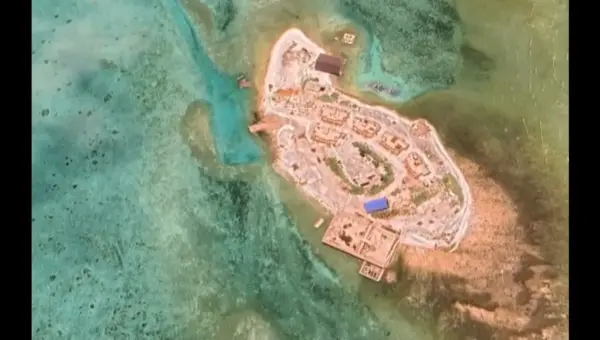
China is rapidly expanding a military base on Antelope Reef in the South China Sea, turning it into a major strategic outpost. This buildup strengthens China's military reach and influence over vital shipping routes, raising concerns for regional stability and international navigation.


Viral ‘Lost Dogs’ Story in China Exposed as Fake
A viral story about seven dogs escaping captivity in China, which attracted millions of views and inspired AI-generated content, has been revealed as fake. The dogs, known as the 'Wagnent 7,' were not stolen but were simply roaming freely, according to their owners and local reports. The incident highlights the complexities of online narratives and the growing pet culture in China.


Kris Jenner Goes Viral in China as Manifestation Icon
Kris Jenner has unexpectedly become a viral sensation on Chinese social media, with millions using her image for manifestation and good luck. The reality TV star is admired for her perceived hard work and business acumen, resonating deeply with Chinese cultural values. Jenner has even acknowledged the trend, adding another layer to her global appeal.