Swalwell Allegations Shine Light on Capitol Hill’s Workplace Culture
New allegations surrounding Congressman Eric Swalwell have intensified scrutiny of Capitol Hill's workplace culture. Senior reporter Ali Vitali suggests these events prompt a re-evaluation of the #MeToo movement's lasting impact. The situation highlights ongoing concerns about accountability and the environment within political institutions.

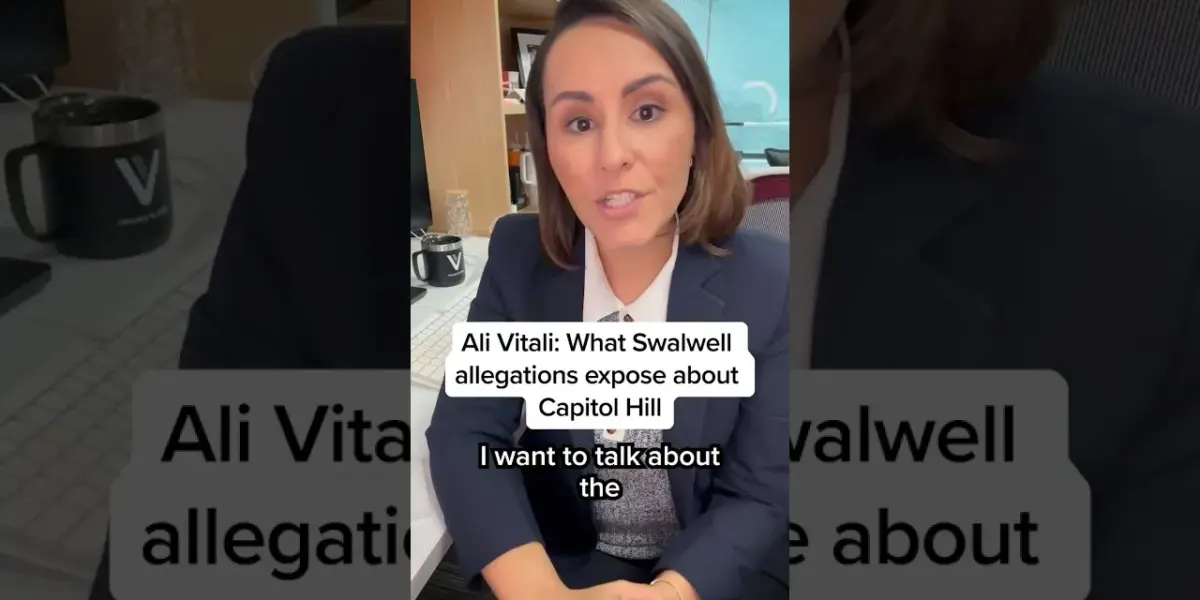
Capitol Hill Culture Under Scrutiny Amid Swalwell Allegations
New allegations surrounding Congressman Eric Swalwell have brought the workplace culture on Capitol Hill into sharp focus. Senior Congressional Reporter Ali Vitali discussed these developments, suggesting they force a re-evaluation of the #MeToo movement’s impact. Vitali questioned whether the movement was a lasting change or a fleeting trend.
Revisiting the #MeToo Movement’s Legacy
The allegations against Swalwell have prompted a wider conversation about accountability and the handling of misconduct claims within political circles. Vitali’s commentary suggests that the initial wave of public attention and action spurred by #MeToo may have waned. This raises concerns about whether systemic issues within powerful institutions, like Congress, have truly been addressed.
Vitali stated, “It forces us to reckon with the MeToo movement and grapple with the fact that it might have been less a movement and more a moment.” This sentiment highlights a potential disillusionment with the long-term effectiveness of the movement in creating lasting change. The focus has shifted from individual accusations to the broader environment that allows such issues to persist.
Workplace Dynamics on Capitol Hill
Capitol Hill, with its unique power dynamics and intense work environment, has long been a subject of discussion regarding its internal culture. The fast-paced nature of legislative work, combined with the concentration of ambitious individuals, can create a complex social structure. Allegations like those involving Swalwell expose potential vulnerabilities within this structure.
The environment can be particularly challenging for those in junior positions or support roles, who may feel less empowered to speak out against perceived wrongdoing. This power imbalance is a critical factor when examining workplace conduct in such a high-stakes setting. Understanding these dynamics is key to assessing the true impact of any reforms aimed at improving workplace safety and respect.
Accountability and Transparency in Politics
The Swalwell allegations highlight the ongoing need for robust mechanisms of accountability and transparency within government. When accusations surface, the public expects a thorough and impartial investigation. The process by which these allegations are handled can significantly impact public trust in political institutions.
Vitali’s analysis points to a potential gap between the public’s desire for accountability and the reality of how such issues are addressed behind closed doors. The perceived lack of swift or decisive action can lead to cynicism and a feeling that certain individuals are above reproach. This perception can erode confidence in the integrity of the political process itself.
Broader Implications for Political Discourse
The discussions sparked by these allegations extend beyond the individuals involved. They touch upon the broader health of democratic institutions and the standards expected of public servants. A workplace culture that is not conducive to respect and safety can hinder the effective functioning of government.
When employees feel unsafe or disrespected, their ability to perform their duties is compromised. This can have ripple effects, impacting policy-making and the public’s perception of their elected officials. Ensuring a professional and ethical environment is therefore not just a matter of individual conduct, but also of institutional effectiveness.
Looking Ahead: The Future of Workplace Reform
The ongoing scrutiny of Capitol Hill’s workplace culture, amplified by the Swalwell allegations, raises questions about the future of reform efforts. Will these events lead to tangible policy changes and a sustained commitment to improving the work environment? Or will the attention fade, leaving underlying issues unaddressed?
The coming months will be crucial in observing whether institutions like Congress implement stronger protections for staff and adopt more transparent procedures for handling misconduct complaints. The public’s continued engagement with these issues will likely play a significant role in shaping the direction of any future reforms. The focus remains on whether the ‘moment’ can truly be transformed into lasting ‘movement’.
Source: Ali Vitali: What Swalwell allegations expose about Capitol Hill (YouTube)

Related Articles


Billionaire Backer Evicts Swalwell After New Accusations Emerge
Congressman Eric Swalwell has resigned following serious sexual misconduct allegations, leading to a rapid withdrawal of support from key figures. Billionaire backer Steven Kubck publicly severed ties, demanding Swalwell leave his home and stating their relationship was over. A special election will now be held to fill Swalwell's vacant congressional seat in California.

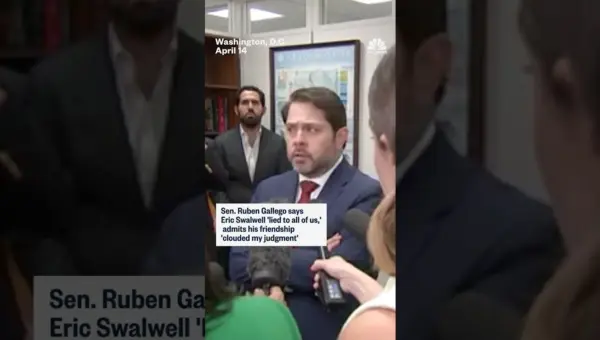
Gallego Accuses Swalwell of Lying, Admits Friendship Clouded Judgment
Representative Ruben Gallego has publicly stated that Congressman Eric Swalwell "lied to all of us," admitting his personal friendship "clouded my judgment." Gallego expressed deep regret for defending Swalwell, citing alleged manipulation and deceit after a difficult campaign. This admission brings renewed attention to Swalwell's past controversies.

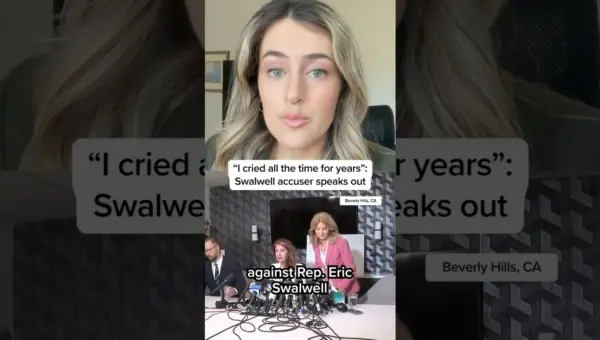
Swalwell Accuser Details Allegations at Press Conference
A woman has come forward with accusations that former Rep. Eric Swalwell drugged and raped her years ago in a West Hollywood hotel. She detailed her prolonged suffering at a press conference and announced plans to file a police report. Swalwell's office has denied all allegations of sexual misconduct.