Prediction Markets Blur Lines: Gambling or Investing?
Prediction markets, where individuals bet on future events, are blurring the lines between gambling and investing. While proponents tout them as 'truth machines,' critics point to regulatory ambiguity, market manipulation, and potential societal costs. The debate centers on whether these platforms offer genuine price discovery or simply a sophisticated way to transfer wealth.

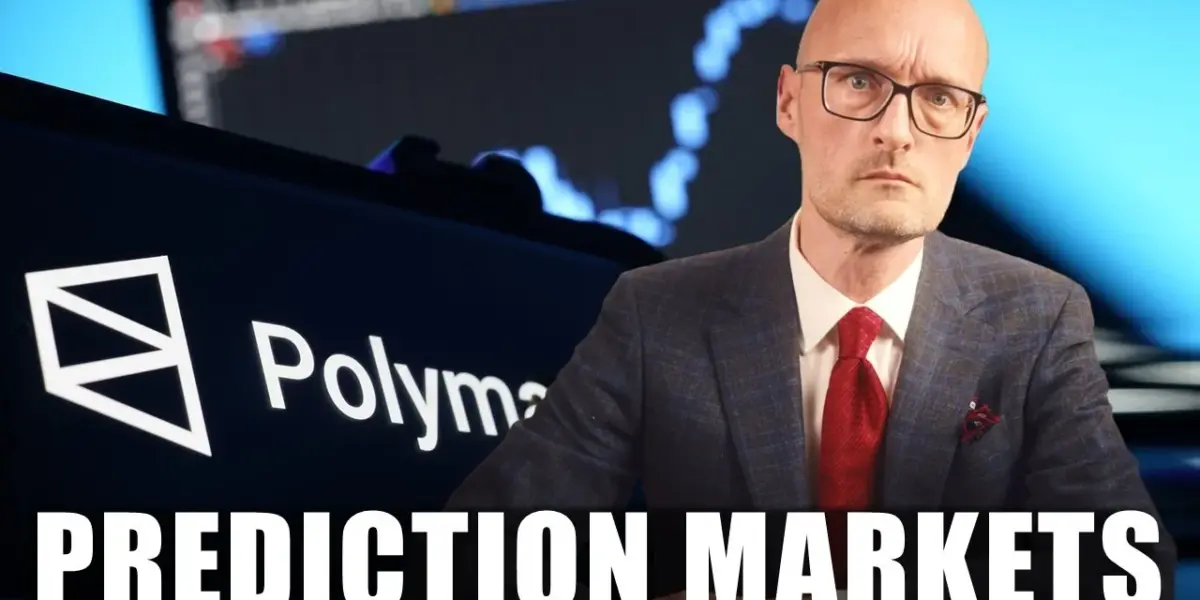
Prediction Markets Blur Lines: Gambling or Investing?
Financial markets have traditionally been seen as tools for directing money toward productive ventures. However, a new wave of platforms, known as prediction markets, are expanding this definition to include betting on virtually any future event, from celebrity actions to political outcomes. These platforms, which allow users to trade contracts based on the likelihood of specific events occurring, are sparking debate about their true nature and regulatory status.
What was once considered simple gambling is now often rebranded as trading event contracts. Platforms like Kalshi and Polymarket allow individuals to bet on outcomes ranging from congressional control to Federal Reserve decisions.
Advocates claim these markets act as a ‘truth machine,’ offering more accurate predictions than traditional polling by aggregating collective intelligence. The theory is that when people risk their own money, their bets reflect genuine beliefs rather than hopes or biases.
The Regulatory Maze
The regulatory landscape for these markets is complex and contentious. The Commodity Futures Trading Commission (CFTC), originally established to oversee agricultural futures like wheat and cotton, has seen its mandate expand over the years.
The CFTC’s ‘economic purpose test’ historically approved contracts that served a hedging or price discovery function. However, this definition broadened to include financial instruments like interest rate futures and even Bitcoin, which regulators classified as a commodity.
A peculiar exception exists: the 1958 Onion Futures Act makes trading futures on onions illegal, a relic of a past market manipulation incident. This creates a bizarre legal situation where betting on geopolitical conflicts or internet meme tokens is permissible, but hedging against onion soup price fluctuations is not. This legal oddity highlights the evolving and sometimes arbitrary nature of financial regulation.
Event Contracts vs. Gambling
The CFTC has historically been wary of ‘event contracts’ that did not appear to have a clear economic purpose, particularly those involving sensitive topics like war or elections. The regulator argued that overseeing election contracts would turn it into an ‘election cop,’ a role far removed from its original mandate of ensuring fair commodity prices. However, prediction market platforms took legal action, arguing that predicting an election is not gambling.
A federal judge’s ruling in favor of these platforms opened the door for broader contract offerings. Kalshi began self-certifying sports contracts, offering bets on events like the Super Bowl and NBA games.
This move has drawn sharp criticism from individual states that have spent years establishing regulated sports betting markets with licenses and taxes. Tech companies offering similar bets claim exemption from state laws and taxes by classifying them as federal commodity swaps.
State vs. Federal Authority
This clash has led to states like Arizona filing criminal charges against Kalshi for operating an illegal gambling business. Ohio is using a 1710 British law, the Statute of Anne, to allow third parties to sue to recover gambling losses.
Despite these challenges, the federal government, through the Department of Justice, has intervened to defend Kalshi’s right to operate, overriding state gambling laws. This federal support for platforms that states deem illegal sports books is a notable development.
Adding another layer of complexity, Donald Trump Jr., son of the former president, is a strategic advisor to Kalshi and Polymarket. While proponents emphasize the ‘truth machine’ aspect, critics point to potential conflicts of interest and the perception of preferential regulatory treatment, especially given the federal government’s defense of these platforms against state actions.
The ‘Truth Machine’ Debate
The core argument for prediction markets is their supposed ability to generate more accurate information than traditional methods. By requiring users to stake money, the idea is that bets reflect true probabilities rather than wishful thinking.
This ‘efficient markets hypothesis’ is applied broadly, extending beyond financial assets to elections, weather, and pop culture. However, the reality of these markets often falls short of this ideal.
Many prediction markets are small and thinly traded, meaning a relatively small amount of money can significantly influence the odds. This opens the door for manipulation. In the 2012 US presidential election, one trader reportedly spent $7 million buying contracts to make Mitt Romney’s chances appear closer, aiming to boost voter enthusiasm.
Similarly, a London mayoral candidate was accused of using betting markets to create an illusion of momentum. These instances suggest that prediction markets can function as public relations tools rather than objective truth indicators.
Financial Nihilism and Retail Traders
The rise of prediction markets is also linked to a broader trend of ‘financial nihilism,’ where traditional paths to wealth building seem unattainable for many. Instead of long-term investing, some individuals are drawn to speculative assets like cryptocurrencies or bankrupt companies. Prediction markets offer a form of entertainment and a chance for quick gains, appealing to those seeking excitement in a low-yield environment.
However, this influx of retail money is attracting sophisticated players. Large quantitative trading firms are establishing dedicated prediction market desks, employing algorithms to exploit price discrepancies.
This creates an uneven playing field, pitting individual retail traders against professional algorithmic traders. The situation mirrors the early days of online poker, where professional ‘sharks’ eventually drove out amateur ‘fish,’ leading to market collapse.
Insider Trading as a Feature?
The structure of prediction markets also raises concerns about insider trading. Unlike traditional stock markets where such activity is illegal, proponents of prediction markets sometimes view insider trading as a beneficial feature.
The argument is that insider information can make market prices more accurate. For example, a user on Polymarket allegedly used classified Israeli military intelligence to profit from bets on the timing of Middle East strikes.
Another instance involved bets placed on Polymarket shortly after the US announced an operation to capture Nicolas Maduro, suggesting foreknowledge of US foreign policy. While advocates claim this improves price discovery, critics argue it undermines market fairness. The stock market relies on a perception of fairness to attract investors; if ordinary people believe the game is rigged, they may withdraw their capital, harming economic growth.
Societal Costs of Widespread Gambling
Prediction markets, along with the expansion of legalized sports betting, represent a significant experiment in making gambling easily accessible via smartphones. Research suggests a correlation between increased online betting access and negative financial outcomes, including lower credit scores, higher bankruptcy rates, and loan delinquencies. While individuals have the right to spend their money as they choose, widespread financial distress can have broader societal costs.
Unpaid loans and defaults can strain the financial system, and individuals facing bankruptcy may rely on taxpayer-funded safety nets. In this context, prediction markets appear less like truth machines and more like wealth transfer mechanisms. They generate fees for platforms, profits for algorithms, and gains for insiders, while the broader society may bear the costs of financial instability and bankruptcies.
The Future of Prediction Markets
While prediction markets are unlikely to collapse the entire financial system, their current form raises significant questions. Regulated as commodity exchanges, advised by politically connected individuals, populated by hedge fund algorithms, and marketed as entertainment, they occupy a regulatory gray zone. The debate over whether they are gambling or investing, or something in between, remains unresolved.
The core issue is whether these platforms contribute to genuine economic activity or merely facilitate speculation and wealth transfer. As the lines between gambling, investing, and entertainment continue to blur, the long-term implications for market integrity and financial stability remain a critical concern for regulators and investors alike.
Source: The Bizarre World of Prediction Markets (YouTube)

Related Articles

Trump Seeks Iran Ceasefire, Targets China Banks
President Trump is pursuing a 10-day ceasefire between Lebanon and Israel while also imposing financial pressure on Iran. U.S. Treasury has warned two major Chinese banks against facilitating Iranian money transfers, citing potential secondary sanctions. This dual approach aims to de-escalate regional tensions and curb Iran's financial capabilities.

Pakistan Navigates Iran Talks Amid Economic Strain
Pakistan is actively mediating talks between the U.S. and Iran, with President Trump expressing optimism about a breakthrough. Meanwhile, the nation's finance minister discussed the economic impact of regional conflicts and the country's efforts to strengthen its reserves through international support and commercial financing.
China’s Global Reach Faces Sanctions Threat
The U.S. is imposing potential secondary sanctions on Chinese banks dealing with Iran's oil revenue, signaling a tougher stance on international financial flows. This move is part of broader concerns over China's global economic and political influence, including its technological acquisition and alleged influence operations within the U.S.