Playwright David Hare: BBC Fears Government, Avoids New Political Drama
Playwright David Hare criticizes the BBC for being too fearful of the government to produce new political dramas. He notes the decline in the BBC's confidence and its avoidance of timely political content. Hare's observations come as his 50-year-old play "Teeth and Smiles" sees a revival, highlighting enduring social issues.

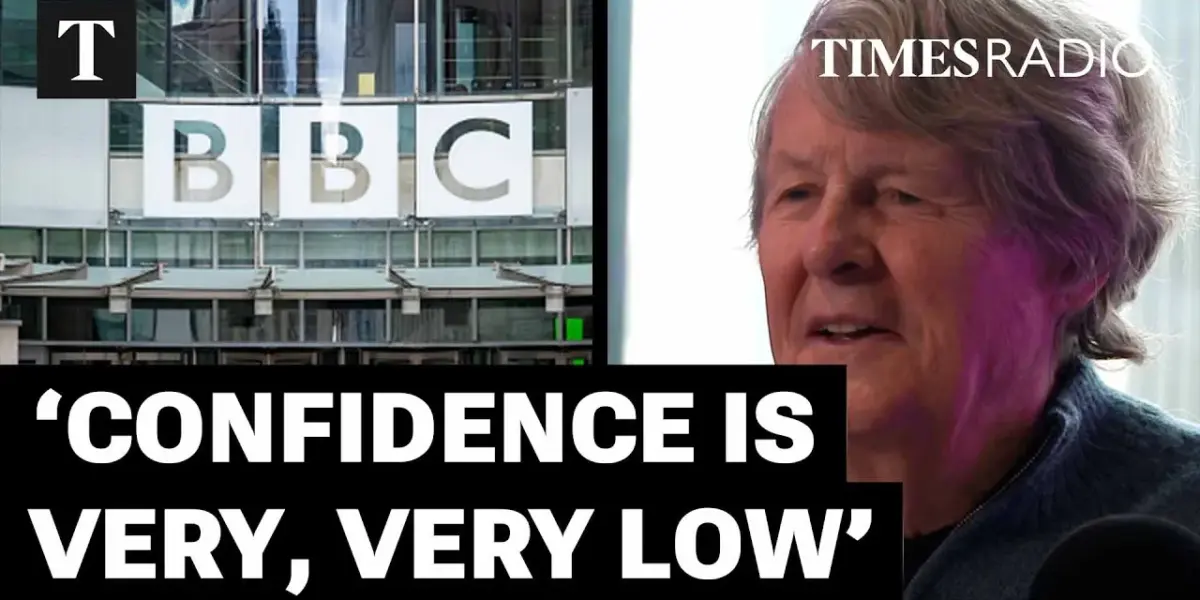
Playwright David Hare Criticizes BBC’s Lack of Political Courage
Renowned playwright David Hare has voiced strong criticism, stating the BBC is too afraid of the government to produce new political dramas. Hare, known for his politically charged works like “Page 8” and “Roadkill,” believes the public broadcaster’s confidence is at an all-time low. He pointed to popular shows like “Mr. Bates vs. The Post Office” and a series about water pollution, noting they aired on ITV, not the BBC, despite being typical of the kind of impactful drama the BBC once championed.
Hare expressed that the BBC’s current caution stems from a deep-seated fear of offending the government. This reluctance, he argues, stifles the creation of timely and relevant content.
He feels the BBC is more concerned with appeasing outlets like the Daily Mail than serving its core audience who value public broadcasting. This, he says, leads to a significant lack of original political drama on the network.
“Teeth and Smiles” Revival Highlights Enduring Social Issues
Hare’s comments come as his play “Teeth and Smiles,” originally written 50 years ago, receives a revival. The play, which debuted in the West End in 1975, focuses on young people in despair who wish to change their lives but feel lost. Hare finds it “depressing” that the play remains so relevant today, particularly concerning the music industry.
He highlighted that the play’s themes of misogyny resonate strongly with contemporary artists. Rebecca Lucy Taylor, a musician involved in the revival, told Hare the play felt like her own life, echoing the struggles women face in the music business. Hare recalled how artists like Marianne Faithfull took decades to be taken seriously, showing how little has changed for women in the industry despite progress elsewhere.
Art’s Power to Change Individuals and Mark History
When asked about art’s capacity to incite social change, Hare offered a nuanced perspective. He believes art undoubtedly changes individuals, citing instances where audience members left marriages or jobs after seeing his plays. This personal transformation, he stated, is a profound impact of artistic works.
Beyond individual change, Hare sees art as a way to “put down a marker.” It is a reminder that prevailing opinions, or the “consensus,” were not always the norm. He pointed to his own play about the Iraq War, written in 2002-2003, which challenged the prevailing pro-war sentiment. While unpopular then, its perspective is now widely accepted, demonstrating art’s ability to record and influence historical understanding.
Nostalgia for Hedonism, Concern for Modern Youth
Reflecting on the 1960s and 70s, Hare acknowledged the “messy hedonism” of his youth, which included fun but also cruelty and misogyny. He expressed a wistful hope that younger generations still find ways to experience similar joy, though he noted modern pursuits like high-intensity fitness classes and sleep tracking seem different from the era’s more spontaneous explorations.
Hare also touched upon the changing nature of education and social environments. He recalled his own experience as a scholarship student at Cambridge in the late 60s, finding the environment class-based and unwelcoming.
He contrasted this with the more diverse and supportive atmosphere at his alma mater today. This personal history informs his view on how societal structures can impact individual experiences and aspirations.
The Shrinking Space for New Theatre and Political Voices
Hare expressed deep concern over the current state of new playwriting in London’s West End. He noted that very few new English plays are being staged, with many productions relying on adaptations of existing stories from books or films. This reliance on “vampiric secondhand stuff” worries him, as he believes theatre must create its own original stories to survive and thrive.
He finds it alarming that he is currently the only British playwright with plays running in the West End. Hare urged commercial producers to take responsibility for staging new works, warning that a lack of original content risks turning theatre into mere “Disneyland.” This situation, he feels, is the worst he has seen in the West End for many years.
Hare’s Future Work and the Role of the Playwright
While Hare remains tight-lipped about his next project, he emphasized the playwright’s role is to anticipate and explore what is happening “underneath” societal trends, rather than reporting on current events. He distinguishes this from journalism, even while expressing admiration for reporters. His focus is on capturing the zeitgeist before it becomes common knowledge.
Hare believes that new life for artistic forms comes from creators who are deeply connected to the “street” and understand contemporary experiences. He encourages aspiring artists to forge their own paths independently, rather than trying to fit into established systems. This independent spirit, he argues, is essential for art to evolve and remain relevant.
Hare’s critique of the BBC’s timidity and his observations on the state of theatre highlight a broader concern about the courage and innovation within public broadcasting and the arts. His upcoming work, whatever its subject, will undoubtedly continue his tradition of insightful social commentary.
Source: David Hare: BBC Too Scared Of Government To Back New Work (YouTube)

Related Articles

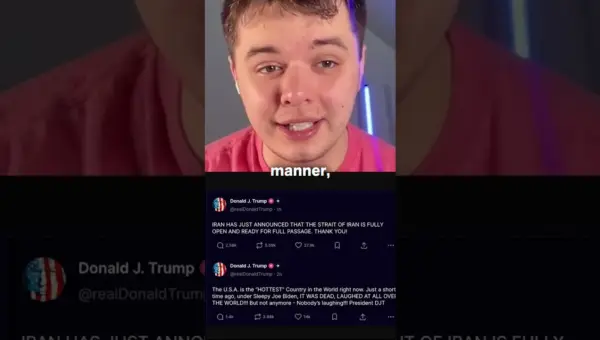
Trump’s Truth Social Tirade Reveals Political Divide
Donald Trump's recent Truth Social attacks on media figures during the Iran crisis highlight his communication style. His contradictory statements on U.S. global standing and past failed international initiatives raise questions about his priorities. This behavior impacts political discourse and international relations.
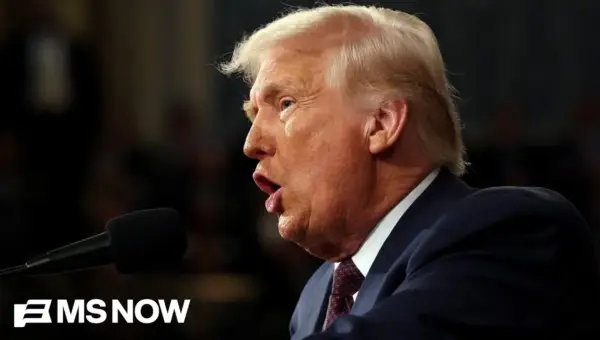
Sykes: Trump Uses “Mass Distraction” Amid Global Conflict
Charlie Sykes described Donald Trump's rhetoric as a "weapon of mass distraction," arguing that it serves to divert attention from critical issues and policy debates. Sykes criticized Trump's demand for absolute loyalty, even from religious figures, and questioned the authenticity of religiously-based political justifications.

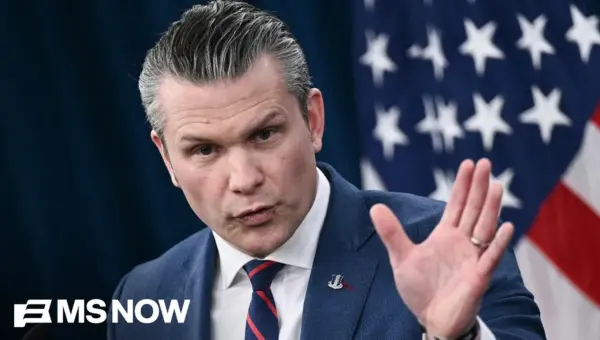
Hegseth Honors Fallen Troops, Criticizes Media at Pentagon Briefing
Defense Secretary Pete Hegseth and Air Force Gen. Dan Caine held a Pentagon press briefing, beginning with a tribute to fallen troops. Hegseth used the event to honor sacrifices while also sharply criticizing media coverage he described as inaccurate and biased. General Caine provided operational updates, reinforcing the military's readiness and the dedication of its personnel.