Navy Secretary Fired Amidst War; FBI Probes NYT Reporter
The U.S. Navy's top official, Secretary Dane Failen, has been fired amidst ongoing military operations in the Strait of Hormuz. This sudden departure follows a series of leadership changes at the Pentagon and raises concerns about military readiness and decision-making. In parallel, new reporting reveals the FBI investigated New York Times reporter Elizabeth Williamson, sparking accusations of First Amendment violations and attempts to criminalize routine journalism.

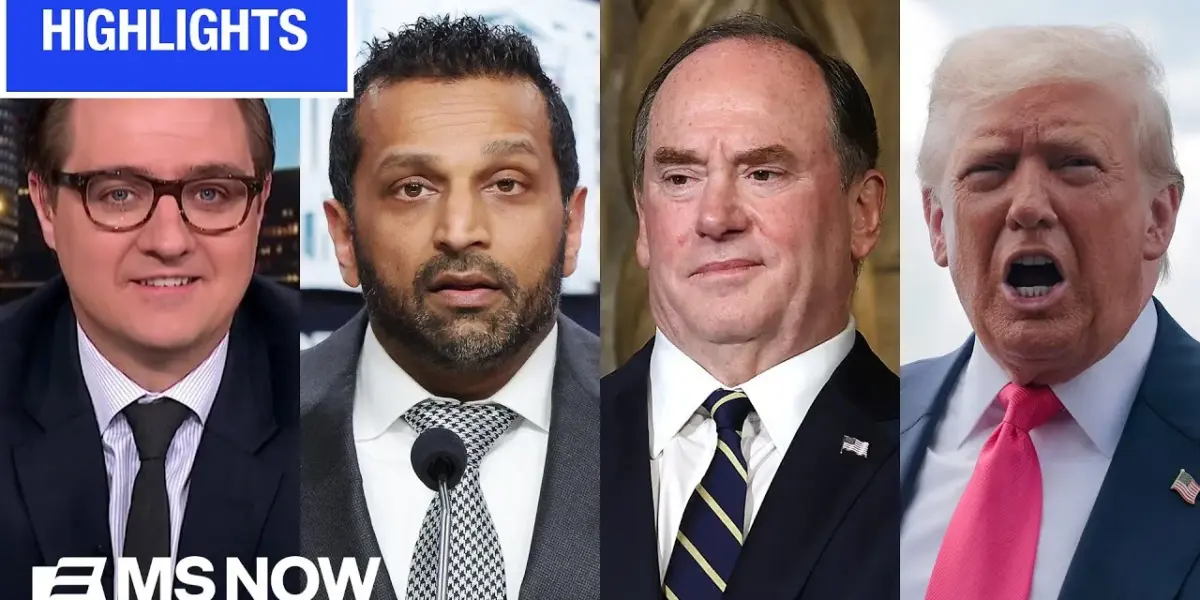
Navy Secretary Ousted Amid Escalating Conflict
The U.S. Navy’s top official, Secretary Dane Failen, has been removed from his post effective immediately. This sudden departure comes as the U.S. Navy conducts a blockade in the Strait of Hormuz, a conflict initiated under the Trump administration. A person familiar with the situation cited Failen’s poor relationship with Defense Secretary Pete Hegsath and other senior Pentagon officials as the reason for his removal.
This is the latest in a series of significant personnel changes within the Pentagon under Hegsath’s leadership. Just weeks prior, the Army Chief of Staff was fired. These actions are raising concerns, especially given the ongoing military operations and the substantial expenditure of munitions, including Tomahawk cruise missiles and SM3s.
Concerns Over Timing and Leadership
Senator Mark Kelly, a Democrat from Arizona and a former Navy captain serving on the Armed Services Committee, expressed his alarm. He highlighted the critical timing of the Navy Secretary’s departure, with a majority of the nation’s naval assets deployed and actively engaged in war. Kelly stated that the Secretary of the Navy’s role is crucial for ensuring the Navy is trained and adequately equipped to face threats.
“This is bad timing. I’m pretty sure I know why this happened. We have a Secretary of Defense who was ill-equipped for this job, the most unqualified Secretary of Defense ever.”
Kelly suggested that the removal might stem from policy disagreements. He recalled previous tense exchanges between Secretary Hegsath and other military leaders, including a reported standoff over the promotion of women and Black officers. The firing of the Army Chief of Staff, Randy George, in a time of war was also called into question, with Kelly describing the situation as “chaos.”
Questions on Military Readiness and Science
Further controversy surrounds Defense Secretary Hegsath’s decision to end mandatory flu vaccinations for the U.S. armed forces. Senator Kelly drew a parallel to General George Washington’s understanding of science, noting his successful use of smallpox inoculations to win the Revolutionary War. He argued that flu outbreaks on submarines, aircraft carriers, or in army battalions could severely impact national security.
Kelly emphasized that science, like the flu, operates regardless of belief. He pointed out that vaccines are safe and effective, and flu shots were a long-standing military requirement. He questioned how Hegsath could overlook this fundamental lesson in readiness, suggesting it reflects a lack of qualification for his position.
FBI Investigates New York Times Reporter
In a separate development, new reporting from The New York Times reveals an FBI investigation into one of their own reporters, Elizabeth Williamson. The investigation reportedly involved interviewing Williamson’s girlfriend and searching databases for information on the reporter, with agents recommending a probe into whether Williamson violated federal stalking laws through her reporting.
The FBI stated that investigators were concerned about aggressive reporting techniques crossing lines into stalking, but maintained they were not pursuing a case. Williamson’s article, published on February 28th, detailed the extensive FBI resources used to protect the girlfriend of FBI Director Cash Patel, Alexis Wilkins, a country music singer.
Allegations of Abuse of Power
New York Times investigative reporter Mike Schmidt explained that the FBI’s actions were unusual. The FBI interviewed Wilkins about her concerns regarding Williamson’s reporting and then searched FBI databases for information on Williamson. Agents recommended further investigation into whether Williamson had broken federal stalking laws.
“The FBI’s attempt to criminalize routine reporting is a blatant violation of Elizabeth the journalist’s First Amendment rights.”
Schmidt noted that this type of reporting, which involves asking questions, is considered standard journalistic practice protected by the First Amendment. The investigation reportedly stalled when Justice Department officials learned of it, viewing it as retaliation for the Times’ story and lacking a legal basis. Joe Kahn, the executive editor of The New York Times, called the FBI’s actions an “alarming” and “unconstitutional” attempt to prevent journalists from scrutinizing government actions.
Pattern of Targeting Journalists
The report also highlights other instances where the FBI, under Director Kash Patel, has reportedly pursued journalists aggressively. This includes the search of a Washington Post reporter’s home and Trump’s past threats to go after news organizations for their coverage. These actions raise serious questions about the administration’s approach to the press and the protection of First Amendment rights.
Mark Elias, a legal analyst, emphasized that while reporters are often involved in investigations to identify sources, this case appears to target the reporter herself. He described the FBI’s interest in investigating Williamson for stalking through her reporting as a fundamental difference, potentially criminalizing basic journalistic inquiry.
Political Landscape and Economic Concerns
The article also touches upon broader political trends, including declining approval ratings for Donald Trump and defections from key allies like Tucker Carlson. Reports suggest that Trump’s aides are shielding him from negative news about the war and the economy, contributing to policy planning problems. The Drudge Report has even drawn parallels between Trump’s current situation and Jimmy Carter’s presidency, citing economic issues and foreign policy confusion.
There is also mention of internal Republican dissent, with figures like Steve Bannon expressing frustration over election defeats and the party’s direction. The sentiment among some is that the Republican party’s unwavering support for Trump is hindering its ability to connect with voters, particularly concerning economic issues like rising gas prices, which are seen as a direct result of the current conflict.
The segment concludes by discussing the potential impact of these developments on upcoming elections, suggesting that public dissatisfaction with the economy and the ongoing conflict could shift the political landscape. The focus remains on how these events will shape voter sentiment and influence the actions of political figures moving forward.
Source: MS NOW Highlights – April 22 (YouTube)

Related Articles
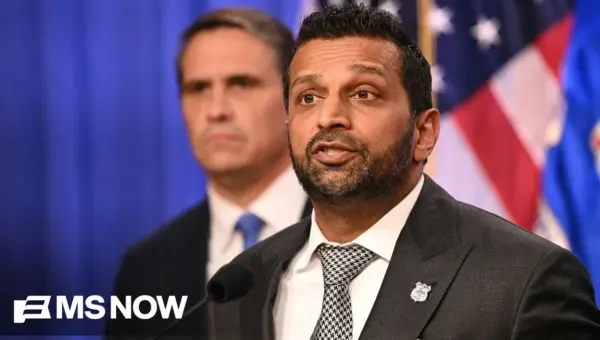
FBI Probes NYT Reporter: “Stupidity and Abuse” Slammed
The FBI investigated New York Times reporter Elizabeth Williamson for potentially violating stalking laws, stemming from her reporting on FBI Director Kash Patel. While the FBI claims the probe was linked to a threat against Patel's girlfriend, critics like Michael Schmidt call the investigation "sheer transparent stupidity" and an abuse of power that chills legitimate journalism. The Justice Department reportedly questioned the FBI's legal basis for the probe.

FBI Chief’s Drinking Allegations Spark Fierce Debate
FBI Director Cash Patel is facing serious allegations that his drinking is affecting his job. While the Trump administration denies these claims, video footage has surfaced showing unusual behavior during a work trip. This controversy raises questions about leadership integrity and public trust in the FBI.
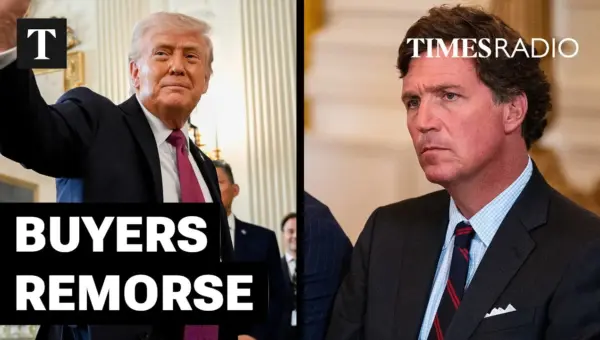
Tucker Carlson Regrets Trump Support Amid Shifting MAGA Alliances
Tucker Carlson has publicly regretted his past support for Donald Trump, signaling potential shifts within the MAGA movement. Meanwhile, the Navy Secretary's recent departure from the Pentagon raises questions about leadership stability amid ongoing international tensions.