Monarchy’s Mid-Life Crisis: Royal Reversals Shake Public Trust
King Charles III's recent decisions regarding the inclusion of Princesses Beatrice and Eugenie in royal events have sparked debate about the monarchy's stability. Public reversals on invitations, coupled with reports of internal disagreements, are raising concerns about the institution's public image and future direction.

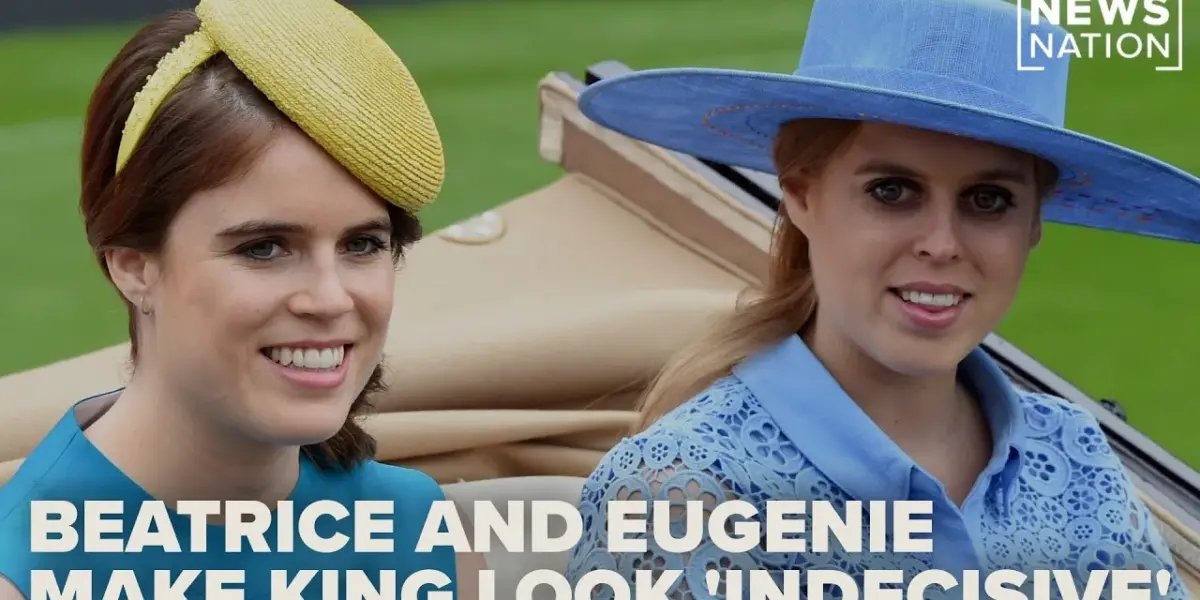
Royal Family’s Public Image Takes a Hit Amid Shifting Decisions
The British monarchy is facing renewed scrutiny following a series of public reversals, particularly concerning the inclusion of Princesses Beatrice and Eugenie in key royal events. Reports suggest that King Charles III initially decided against inviting the York sisters to Royal Ascot, a prominent event they reportedly enjoy. This decision seemed to align with Prince William’s reported reluctance to be seen with the York family, fueling speculation about internal rifts.
King’s ‘Backflip’ Creates Uncertainty
However, shortly before Easter, news emerged that King Charles had reversed this decision, personally inviting Beatrice and Eugenie. This change of heart, described as a “backflip” by observers, raises questions about the King’s leadership and the monarchy’s ability to present a united front. Such public U-turns can create an impression of instability and indecision, potentially weakening the institution’s carefully managed public image.
Easter Event Missed Opportunity for Royal PR
The Easter period was seen as a prime opportunity for the royal family to showcase unity and continuity, especially with images of the Prince and Princess of Wales attending church. However, leaks just before the event about the King’s decision reversal reportedly originated from the palace itself.
This coordinated release of information across the media landscape suggested a deliberate effort to convey the King and Queen’s personal intervention in inviting Beatrice and Eugenie. This inclusion means they would have access to the royal carriage procession, the royal enclosure, and the royal box, signifying a higher level of royal standing.
Impact on Perceptions of Royal Leadership
These sudden changes in direction can make the monarchy appear dithering and uncoordinated. While King Charles might believe such reversals demonstrate his power to override previous decisions, they can instead be interpreted as a sign of weakness or internal disagreement.
This perceived lack of cohesion is particularly damaging as it feeds into narratives that the King and Prince William are not on good terms. Such public discord, real or perceived, benefits those who wish to see the monarchy weakened or abolished, providing them with a ready-made storyline to exploit.
Historical Context: Monarchy’s Evolving Role
The British monarchy has a long history of adapting to changing social and political climates. From the abdication crisis of 1936, which saw King Edward VIII step down, to the more recent adjustments in the roles and public appearances of senior royals, the institution has continually navigated public opinion.
Decisions about who attends royal events and who holds specific titles have always been strategic, aimed at projecting an image of stability, relevance, and public service. The current situation, with its internal disagreements and public reversals, echoes past challenges where perceived disunity threatened the monarchy’s credibility.
Economic and Social Influence
While not directly involving economic sanctions or trade deals, the monarchy’s influence is deeply intertwined with its public perception. The royal family’s ability to draw crowds, generate tourism, and act as a soft power symbol for the United Kingdom relies heavily on a consistent and positive public image.
Any perceived infighting or indecision can erode this goodwill, potentially impacting the economic benefits associated with royal patronage and national identity. The cost of maintaining the monarchy, always a subject of public debate, becomes harder to justify if the institution appears internally fractured or out of touch.
Future Scenarios for the Monarchy
Several future scenarios could unfold. One possibility is that the King consolidates his authority, imposing clearer lines of succession and public roles, thus reducing instances of public reversals. Another scenario involves continued internal negotiation, leading to a more fluid and perhaps less predictable, but potentially more adaptable, monarchy.
Alternatively, if public perception of disunity persists, it could lead to increased calls for reform or a reduction in the monarchy’s constitutional role. The likelihood of each scenario depends on how effectively the King and other senior royals manage public relations and internal dynamics in the coming years.
Global Impact: The Monarchy’s Brand
The British monarchy is a global brand, recognized and admired worldwide. Its image as a stable, enduring institution is a significant part of its international appeal. When internal dynamics lead to public confusion or perceived conflict, it not only affects domestic trust but also its standing on the international stage.
This can impact diplomatic relations, tourism, and the UK’s overall soft power. A monarchy that appears divided or indecisive risks diminishing its global influence and the positive associations it brings to the United Kingdom.
Source: King Charles Backtracks on Beatrice & Eugenie — What Does It Mean? (YouTube)

Related Articles

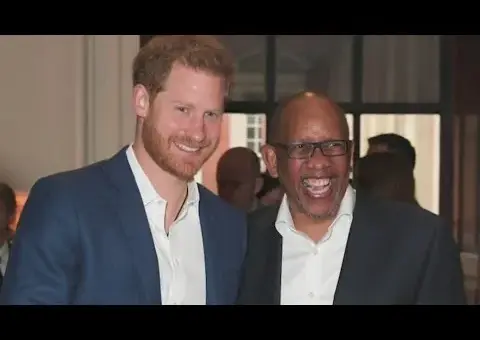
Harry Sued: Charity Fight Rocks Royal Brand
Prince Harry is being sued for defamation by the chairwoman of Sentebale, a charity he co-founded. The lawsuit follows his contentious departure from the organization last year after hinting at financial mismanagement. This legal battle adds significant scrutiny to his public image and philanthropic efforts.
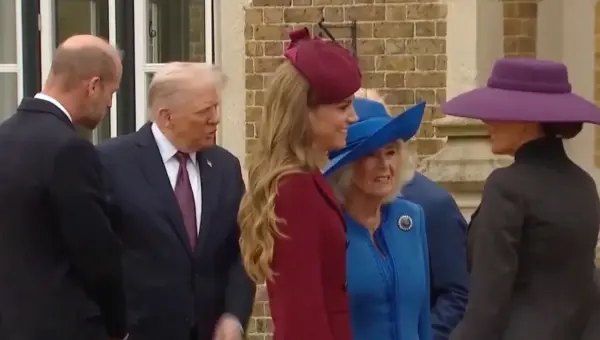
Royal Visit: Charles & Camilla Head to U.S. for Historic Trip
King Charles and Queen Camilla will soon make a state visit to the U.S., timed with America's 250th anniversary. This historic trip marks the first visit by a British monarch since 2007 and reinforces the enduring ties between the two nations.

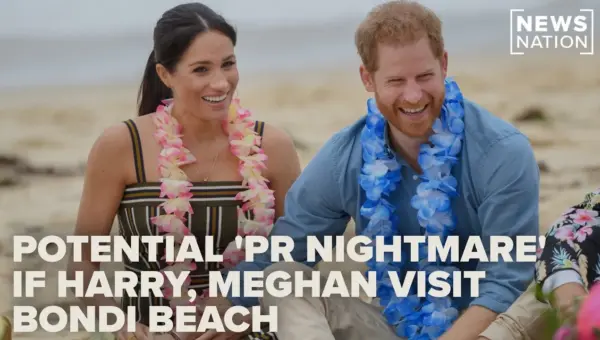
Harry, Meghan Face Visa Scrutiny Down Under
Prince Harry and Meghan Markle's Australian visit is shadowed by questions about their visa status and the appropriateness of their public engagements. Concerns about transparency and potential misuse of privileges are growing.