Near Miss, Bomb Scares Grip Air Travel This Weekend
Two separate incidents over the weekend left air travelers on edge: a near-collision between two planes at Nashville International Airport and multiple bomb threats that caused flight diversions and evacuations across the country. While technology and pilot quick thinking averted disaster in Nashville, the bomb scares highlighted ongoing security concerns. Investigations into both events are underway to ensure future air travel safety.

Air Traffic Chaos: Near Collision at Nashville Airport
A Southwest Airlines flight narrowly avoided a catastrophic collision at Nashville International Airport on Saturday. Air traffic control records show controllers gave an arriving Southwest flight permission to perform a “go-around,” meaning the pilot had to abort the landing. This action put the plane directly in the path of a departing aircraft.
Pilots in both planes had to take immediate evasive action to prevent a crash. Onboard alerts in both cockpits helped the crews avoid a collision course.
The Southwest flight encountered gusty winds during its approach. Despite the tense moments, the plane eventually landed safely without incident. The incident highlights the critical role of pilot and technology in ensuring air safety when unexpected situations arise.
Widespread Bomb Threats Disrupt Flights Across U.S.
The skies weren’t the only place experiencing turmoil. A series of bomb scares created widespread panic and disruption across several U.S. airports over the weekend.
Passengers faced terrifying ordeals as flights were halted and evacuated. The incidents began creating fear and uncertainty for travelers.
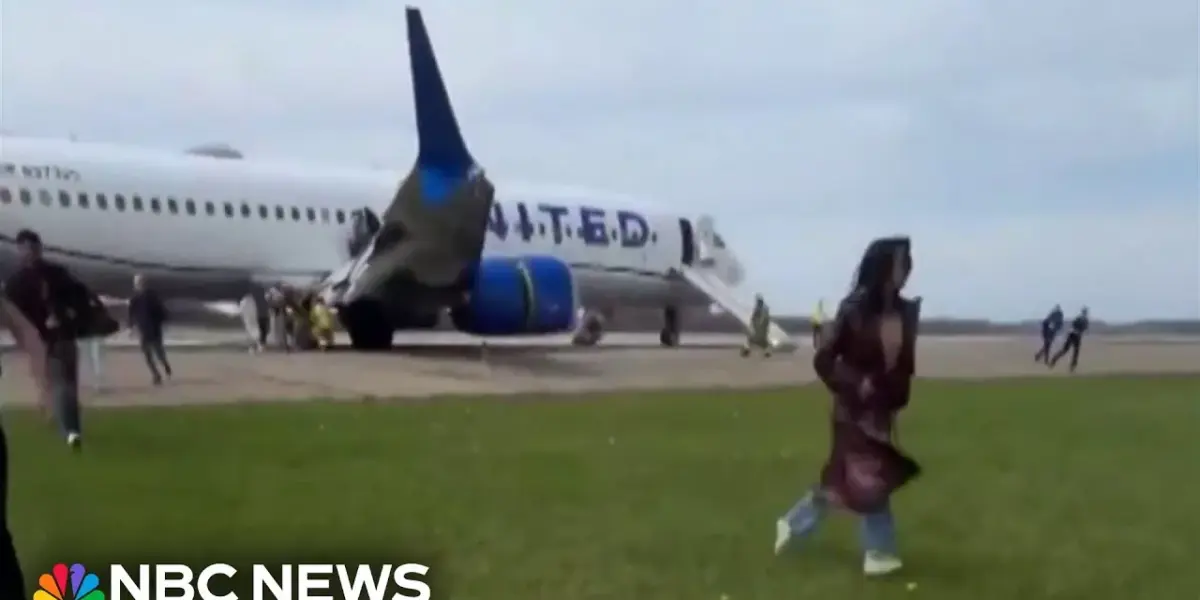
In Pittsburgh, a United flight from Chicago to New York was diverted. The pilot reported a “suspected item on board” and alerted the tower they would treat it as a potential bomb.
Passengers were safely evacuated from the aircraft. United stated the flight landed to address a potential security concern.
The disruptions continued into Saturday night in Denver. Emergency crews, including the FBI, swarmed an aircraft on the tarmac. Passengers described seeing people in protective gear searching the plane’s overhead bins.
The FBI later confirmed that no dangerous materials were found on the aircraft. One passenger called the experience “terrifying.”
Another incident occurred in Pittsburgh just 24 hours prior. While details are sparse, the situation caused alarm and led to the plane landing to address a security issue. These events left passengers shaken and questioning their safety in the air.
Technology as a Lifeline in Critical Moments
In the face of these airborne emergencies, technology served as a crucial last line of defense. The near-miss in Nashville was partly averted thanks to onboard avoidance systems.
These systems are designed to alert pilots to potential collisions. They provide pilots with vital seconds to react and maneuver away from danger.
These systems, often referred to as Traffic Collision Avoidance System (TCAS), are standard on modern aircraft. They work by detecting the signals from other aircraft transponders.
If a potential conflict is detected, the system issues both visual and audible alerts to the flight crew. This technology acted as a critical backup when the initial air traffic control instructions created a hazardous situation.
Broader Implications for Air Travel Security
The weekend’s events raise significant concerns about air travel safety and security. The near-miss at Nashville points to potential breakdowns in air traffic control communication or procedure.
While technology and pilot actions averted disaster, a thorough investigation is needed to prevent future occurrences. Understanding the root cause is essential for maintaining confidence in air traffic management.
The multiple bomb threats, even those proving to be false alarms, place immense strain on airport and airline resources. They also cause significant distress to passengers and crew.
Authorities must continue to take all threats seriously while also working to identify and deter those making false claims. The psychological impact on travelers is also a factor to consider.
What’s Next for Air Safety
Investigations into the Nashville near-miss are expected to continue. Aviation authorities will likely review air traffic control recordings and procedures.
Meanwhile, the investigation into the bomb threats will aim to identify the individuals responsible. Passengers will be watching for updates on security measures and any changes to protocols designed to keep them safe in the skies.
Source: Close call in the air and bomb scares on board leave flyers on edge (YouTube)

Related Articles


Pilot Dies After Small Plane Crashes Into Florida Backyard
A pilot died after a small plane crashed into a residential backyard in Wesley Chapel, Florida. Witnesses described a loud, mechanical sound before the Cessna went down. Neighbors rushed to help but found only ash and rubble. The NTSB is investigating, with witnesses crediting the pilot with a heroic maneuver to avoid hitting homes.
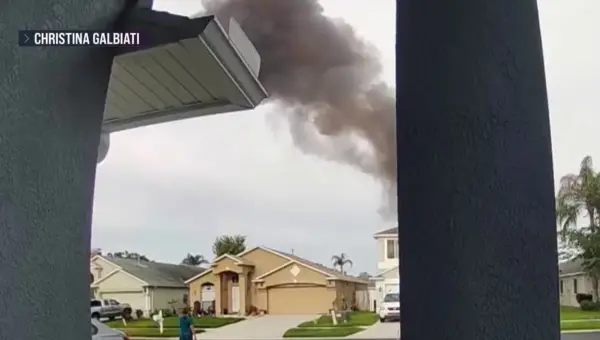
Pilot Dies in Florida Plane Crash, Saves Homes
A pilot died Tuesday when his small plane crashed into a backyard in Wesley Chapel, Florida. Witnesses believe the pilot made a heroic effort to steer the aircraft away from homes in his final moments. The NTSB is investigating the cause of the crash.
Summer Flights Skyrocket Amid War, Budget Carrier Faces Crisis
Americans face soaring summer flight costs due to rising jet fuel prices linked to the conflict with Iran. Adding to the uncertainty, budget carrier Spirit Airlines is reportedly facing potential liquidation. Experts advise booking travel immediately to avoid further price hikes.