Consumers Feel Richer Than They Say, Data Shows
Despite expressing worries about the economy, consumers are spending money freely, indicating a stronger financial outlook than they report. This disconnect between sentiment and behavior suggests underlying confidence that impacts economic trends.

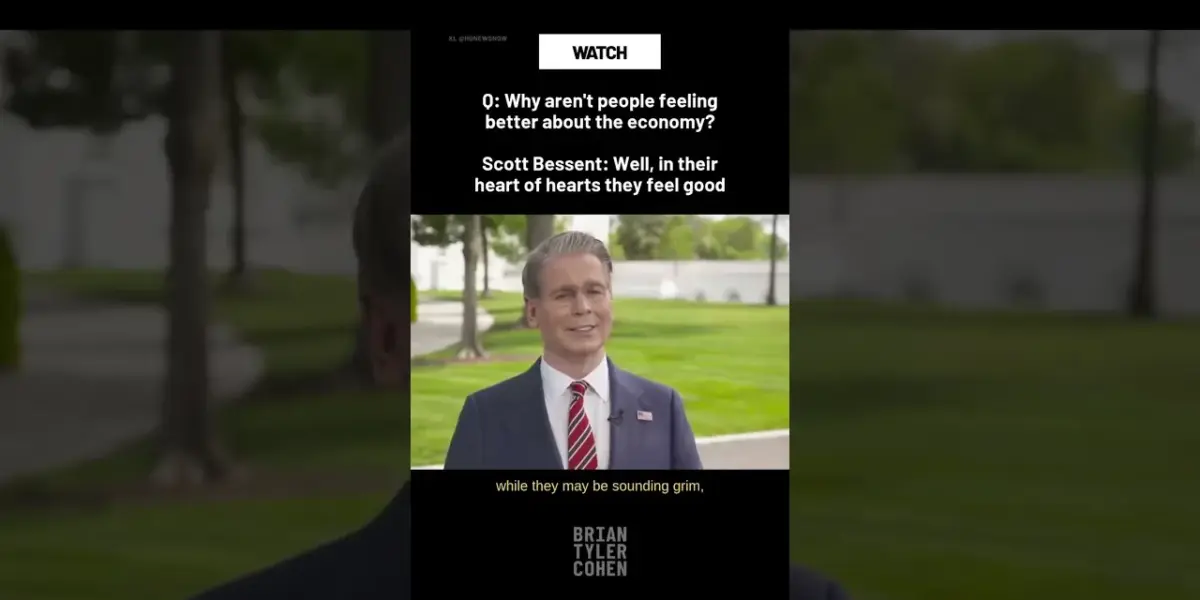
Consumers Feel Richer Than They Say, Data Shows
Many people express worry about the economy, but their actions tell a different story. They are spending money like they feel confident about their finances. This disconnect between what people say and what they do is important to understand.
When Scott Bessent worked in the investment business, he learned to look beyond surveys. He said that while consumer surveys might show people feeling down, their actual behavior showed they felt good. This suggests that surveys don’t always capture the full picture of how people truly feel about their money.
What the Numbers Show
During his time at Treasury, Bessent met with many business leaders. CEOs from retail, credit card companies, and banks visited regularly. These leaders reported that consumers, despite sounding unhappy about the economy, were actually spending a lot of money.
Spending has remained strong in most areas. This solid spending shows that people are not as worried as they might claim to be. Their wallets are open, which is a clear sign of underlying confidence.
People might not feel good when asked, but in their heart of hearts, they feel good. I’m not sure what they are telling the survey people.
Why This Matters
This difference between expressed feelings and actual behavior is crucial for businesses and policymakers. If businesses believe consumers are struggling, they might cut back on production or hiring. This could hurt the economy more than necessary.
Understanding this gap helps explain why the economy has been more resilient than some expected. It shows that consumer confidence, when measured by spending habits, is higher than surveys might suggest. This can lead to better business decisions and more accurate economic forecasts.
Historical Context
Economists have long studied consumer sentiment and its link to spending. Historically, a drop in consumer confidence often leads to a slowdown in spending and economic growth. However, sometimes people continue spending even when they express doubts, especially if they have savings or feel their job is secure.
During past economic downturns, spending often fell sharply as people became fearful. But in recent times, factors like government support programs or a strong job market have sometimes allowed people to keep spending, even if they feel uncertain about the future.
Implications and Future Outlook
The current situation suggests that consumers are acting on a more optimistic view of their personal finances than they are willing to admit publicly. This could mean continued steady economic growth. Businesses can likely rely on continued consumer demand for goods and services.
However, this disconnect also highlights a potential challenge for economic forecasting. If surveys are not capturing true sentiment, predicting future spending could become harder. Future economic models might need to place more weight on actual spending data than on survey results alone.
The trend of feeling less confident than one’s actions suggest could continue. As long as people feel their personal financial situation is stable, they may keep spending. This behavior will be key to watching as economic conditions evolve.
The next round of consumer spending reports is due out next month, which will provide further insight into this trend.
Source: Scott Bessent on the economy: Well, in their heart of hearts they feel good (YouTube)

Related Articles

Trump Faces Steep Losses: Analyst Calls It ‘Worst Losing Streak’
Political analysts are questioning Republican optimism for upcoming elections, citing historical trends and current economic challenges. High gas prices and voter dissatisfaction with Donald Trump's economic leadership are creating significant hurdles for the party. Cracks are appearing in Trump's core coalition, with potential losses among key demographic groups and internal dissent over controversial stances.


Trump’s Policies Face Scrutiny Amid Global Turmoil
Recent events highlight significant challenges and criticisms surrounding Donald Trump's foreign policy and domestic economic views. From clashes with international figures to domestic economic concerns, a closer look reveals a complex picture. The transcript details a series of events and statements that raise questions about the effectiveness and logic of his administration's actions.

Iran’s Economy Crippled, Gas Prices May Hit $3 Soon
A U.S. senator claims Iran's military and economy are crippled, suggesting "game over" for the nation. Simultaneously, optimism is high for gas prices to fall below $3 per gallon by late summer or early fall, referencing historical trends.