Israel-Lebanon Ceasefire Fragile Amidst Disagreements
President Trump announced a 10-day ceasefire between Israel and Lebanon, aiming for a historic meeting between leaders. However, the truce is fragile, with Israeli ministers reportedly angered by the announcement and Hezbollah signaling its intent to resist Israeli forces on Lebanese soil. The complex dynamics involving Hezbollah, a key spoiler, and shifting U.S.-Israel relations cast doubt on the ceasefire's long-term stability.

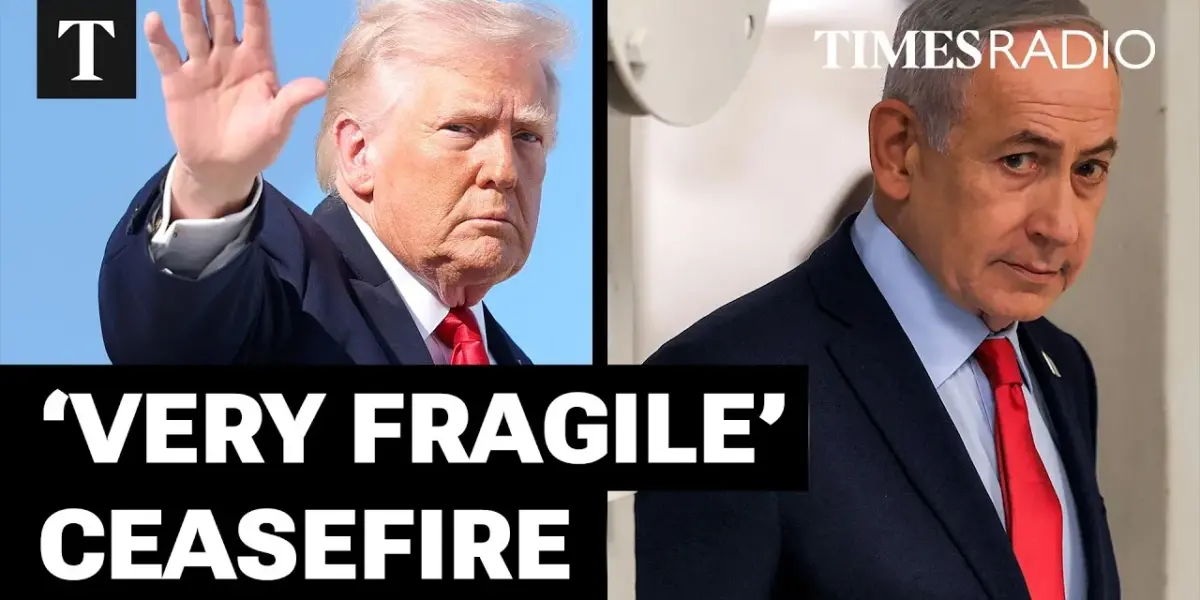
Trump Announces Israel-Lebanon Ceasefire Amidst Internal Disagreement
President Donald Trump announced a 10-day ceasefire between Israel and Lebanon, set to begin at 10:00 PM local time. The announcement came after Trump spoke with reporters on the White House lawn, detailing the agreement. This development follows a period of intense conflict and raises questions about its long-term stability.
Ceasefire Details and Israeli Reaction
The ceasefire was announced after President Trump claimed to have had “excellent conversations” with leaders from both Lebanon and Israel. He also suggested a meeting between Israeli and Lebanese leaders at the White House within the next week, which would be the first such meeting in 44 years. However, reports indicate a significant disconnect, with Israeli ministers reportedly “outraged” by the announcement, suggesting they were informed after the fact.
Merav Zonshein, a senior Israel analyst at the International Crisis Group, confirmed this, stating that Israel’s security cabinet met after Trump’s announcement and his call with Lebanese President Joseph Aoun. This pattern of short notice to Israel from Trump, following a similar situation with Iran a week prior, suggests a recurring approach. Despite this, Zonshein noted that Israeli Prime Minister Netanyahu likely anticipated a ceasefire, having pushed for one himself.
A Complex and Fragile Truce
The announced ceasefire is described as far from simple, with a notable disconnect between the parties involved. While Trump envisions a historic meeting at the White House, the reality on the ground is more complicated. The situation involves the Lebanese government, the Israeli government, and Hezbollah, an Iran-backed militia.
Zonshein highlighted that this ceasefire differs from typical agreements. In the post-October 7th context, Israel maintains troops in Lebanese territory and reserves the right to fire in self-defense.
Hundreds of thousands of Lebanese remain displaced. This arrangement is seen as largely favoring Israel’s terms.
Hezbollah’s Stance and Potential for Renewed Conflict
A senior Hezbollah source told Al Jazeera Arabic that any ceasefire must restrict the movement of Israeli forces within Lebanon. Hezbollah insists that while Israeli forces can be present, their movements must be organized.
The source stated that as long as Israeli troops remain on Lebanese soil, the country retains the right to resist. This position directly contrasts with Israel’s assertion of the right to fire in self-defense.
The differing interpretations create ambiguity, leaving open the question of what might happen first: a resumption of hostilities due to a failed ceasefire or the anticipated meeting between leaders. Zonshein noted that since November 2024, Israel has fired unilaterally, and Hezbollah has chosen not to respond, despite being severely weakened. However, during the current conflict with Iran, Hezbollah has responded.
Hezbollah is expected to honor the 10-day ceasefire for now, but the situation remains highly fragile. There is discussion not only of a ceasefire but also potential talks toward normalization and the demarcation of borders, an issue that has never been resolved between Israel and Lebanon. Such progress would depend on genuine commitment and sustained American political pressure.
Hezbollah’s Role as a Spoiler
Zonshein, while focusing on Israel, explained that Hezbollah has expressed anger over the impending ceasefire and the recent talks involving ambassadors in Washington. The group has been attempting to undermine these efforts by firing rockets into northern Israel, while Israel has conducted retaliatory strikes.
Hezbollah has also been accused of creating chaos and even threatening the lives of the Lebanese president and prime minister. These actions led Lebanese Prime Minister Najib Salam to cancel a trip to the U.S. due to security concerns.
Hezbollah is viewed as a spoiler in this scenario, actively opposing the current developments. Both Iran and Hezbollah aim to keep the conflicts in Iran and Lebanon connected.
While Iran has requested a ceasefire in Lebanon, Hezbollah also seeks to maintain its monopoly on power and force within the country. This dual objective creates internal tension.
Underestimating Hezbollah and Shifting US-Israel Relations
There’s a suggestion that Israel, under Prime Minister Netanyahu, may have underestimated the difficulty of disarming Hezbollah, promising significant outcomes without delivering. Zonshein agreed that Israel has struggled to achieve its objectives in Gaza and Lebanon, as militias cannot simply be eliminated. The goal of Hezbollah disarmament, meaning demilitarization, has been deemed unrealistic by the IDF through military force alone, especially while engaged in conflicts elsewhere.
The question now is whether disarmament can be achieved diplomatically. Zonshein warned that continued Israeli aggression could be counterproductive, weakening Hezbollah and the Lebanese government rather than achieving desired outcomes. The broader war has also impacted the relationship between the U.S. and Israel.
Zonshein pointed out that Prime Minister Netanyahu has made Israel’s role in American politics divisive over the years, a risk he seemed willing to take. Recent events, like a vote where 40 Democrats opposed arming Israel, show a shift within the Democratic Party.
American public opinion has also moved against Israel, particularly due to the situation in Gaza and the conflict with Iran. While these shifts are occurring, Zonshein is uncertain if they will translate into policy changes soon.
However, public opinion and the relationship with many Americans are changing. Some commentators, even those previously staunchly pro-Israel, are questioning their long-standing support.
This questioning of loyalty is occurring across the West. While some of this sentiment may border on anti-Semitism, much of it stems from a critical assessment of recent events.
Israel’s Strategic Concerns and Future Outlook
Within Israel, particularly among diplomats and professionals in the Foreign Ministry, there are significant concerns about the U.S.-Israel relationship. Many national security experts consider this relationship, along with U.S. aid, crucial for Israel’s strategic security.
The future of this relationship, especially with upcoming agreements, is uncertain. Prime Minister Netanyahu’s talk of Israeli self-reliance, or being like “Sparta,” suggests a potential shift.
Sober Israelis understand the significant risk of losing U.S. support. With the current term of President Trump ending, it seems likely that any future U.S. president, whether Republican or Democratic, may not offer the same level of generosity towards Israel. This potential loss of political and perhaps public support from the U.S. presents a major challenge for Israel.
Looking Ahead
The coming days will be critical in determining whether the fragile 10-day ceasefire holds. Attention will be on the actions of Hezbollah, the response from Israel, and the potential for diplomatic progress towards border demarcation. The ongoing shifts in U.S. public and political opinion towards Israel will also be a key factor to monitor as the situation evolves.
Source: Israel-Lebanon Ceasefire Could Fall Apart At Any Time | Mairav Zonszein (YouTube)

Related Articles

Trump’s Presser: Epstein, Pope, and a World in Turmoil
Donald Trump's recent press event saw him address the Epstein case, spar with the Pope over Iran's nuclear program, and discuss potential ceasefires. His remarks on survivor testimony and gas prices drew criticism. The event highlighted ongoing global tensions and differing perspectives on critical issues.


Trump Promises Answers on Missing Nuclear Scientists Within a Week
Former President Donald Trump expects to have answers within a week regarding ten scientists who have gone missing or died, many with access to nuclear and aerospace secrets. He acknowledged the seriousness of the situation, hinting at potential foreign adversary involvement while also referencing border security.
Trump Claims Iran Nuclear Deal Near, Pope Urged on Protester Executions
Former President Donald Trump claims a deal with Iran on its nuclear program is imminent, stating the country has agreed not to pursue nuclear weapons. He urged Pope Francis to address Iran's human rights abuses, particularly the planned execution of protesters. Analysts expressed skepticism about the nuclear deal, while also discussing hopes for a Lebanon ceasefire and sovereignty.