Congress Faces Reckoning Over Ethics and Accountability
Recent allegations against U.S. lawmakers are sparking urgent calls for ethical reform and faster accountability within Congress. Representative Adelita Grijalva highlights frustrations with slow ethics investigations, emphasizing the need to uphold public trust and ensure a safe environment for all. The situation raises questions about the integrity of the legislative process and its impact on national and international confidence.

Congress Faces Reckoning Over Ethics and Accountability
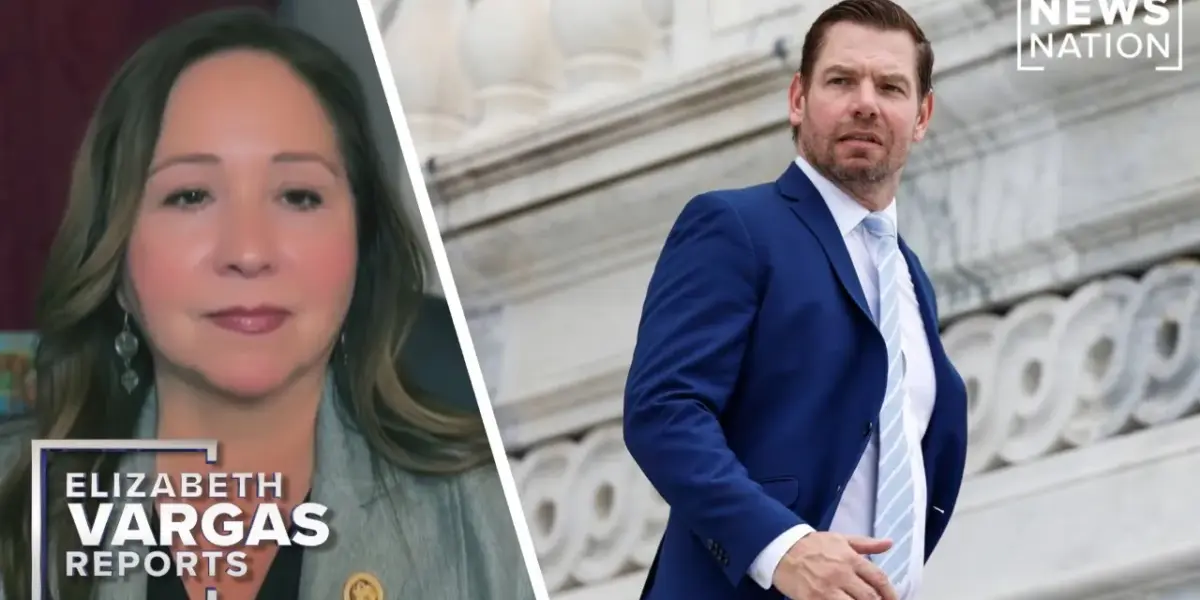
Recent allegations against members of Congress, including Congressman Eric Swalwell, are forcing a difficult conversation about ethics, accountability, and the speed of justice within the legislative body. The issue came to a head when Representative Adelita Grijalva, a freshman Democrat from Arizona, rescinded her endorsement of Swalwell for California Governor after new accusations emerged. She stated that if he had not resigned, he should have been expelled from Congress.
Calls for Consequences and Accountability
Grijalva emphasized that any criminal misconduct must have consequences under the law. She expressed frustration with the slow pace of ethics investigations, a common complaint that contributes to low public approval ratings for Congress, which recently hit a 15-year low. “It is a privilege to be here,” Grijalva stated, highlighting the responsibility that comes with representing constituents. “You must be held accountable.”
Fellow Arizona Democrat, Senator Ruben Gallego, admitted that rumors about Swalwell had circulated for years. He regretted not addressing them directly with Swalwell. However, Grijalva stated she had not heard any such rumors during her time in politics. She believes that if members of Congress hear allegations, they have a duty to call them out. Silence, she argued, can be seen as complicity.
Protecting the Institution and Supporting Survivors
The ongoing situation also raises concerns about the safety and integrity of the political process. Grijalva shared a personal anecdote about her 19-year-old daughter wanting to work on Capitol Hill. She stressed the need to ensure Congress is a safe space for everyone, free from the abuse of power and vulnerability that can occur in the workplace. “We can’t do that when we have people that are using their political power to influence and make people feel this vulnerability,” she said.
Addressing Other Ethical Concerns
The conversation extended beyond Swalwell to other members facing accusations. Grijalva also addressed allegations against Democrat Sheila Cherfilus-McCormick, accused of misusing $5 million in FEMA funds. Grijalva stated that regardless of party affiliation, she would vote to expel a member if the House Ethics Committee found them guilty of such offenses. She stressed the importance of doing her homework and voting accordingly, even as a new member of Congress.
Another case mentioned involved Congressman Cory Mills, who denied assaulting his girlfriend. He reportedly made comments distinguishing himself from Swalwell by stating he is not married and the woman involved did not work for him. Grijalva dismissed this as a deflection, arguing that such comparisons do not excuse problematic behavior. She believes that while rumors should not lead to expulsion, verified allegations that go through the ethics process must be taken seriously.
The Slow Pace of Justice
A significant point of frustration is the lengthy timeline for House Ethics Committee investigations. These processes can take months or even years, leaving members under serious allegations to continue serving. This delay, Grijalva suggested, contributes to public cynicism and the low approval ratings of Congress. She compared the slow pace to court processes she is familiar with from running a juvenile diversion program, noting that timely justice is important.
Grijalva also raised the possibility that political considerations might influence the speed at which cases are handled. “People drag their feet depending on what party is in power,” she speculated. She believes that elected officials have a duty to their constituents and to the integrity of the nation’s foundation to conduct themselves ethically and legally.
Why This Reshapes the World Order
While the immediate focus is on individual accountability within the U.S. Congress, these events have broader implications. Trust in democratic institutions is crucial for a nation’s stability and its standing on the global stage. When citizens lose faith in the ethical conduct of their lawmakers, it can weaken democratic norms and create openings for authoritarian narratives. The slow and sometimes opaque nature of ethics investigations further erodes public confidence. For international partners, a Congress seen as deeply divided and ethically compromised can lead to uncertainty in foreign policy and trade agreements. A strong, trusted legislative body is a cornerstone of a stable democracy, and its perceived failings can have ripple effects far beyond its borders, impacting global perceptions of American governance and reliability.
Historical Context
The U.S. Congress has a long history of dealing with ethics scandals and calls for expulsion. From the late 18th century, when the House expelled William Blount for allegedly conspiring against the U.S., to more recent cases involving members like George Santos, the institution has grappled with maintaining standards of conduct. The Ethics in Government Act of 1978, for instance, aimed to increase transparency and accountability for public officials. However, the mechanisms for enforcing these standards, particularly the duration and perceived impartiality of ethics investigations, remain a persistent challenge, as highlighted by Grijalva’s comments.
Economic Leverage and Future Scenarios
The integrity of Congress can indirectly affect economic standing. A stable and trustworthy government is more attractive to foreign investment and facilitates smoother international trade relations. Conversely, ongoing ethical crises and legislative gridlock can create economic uncertainty. Future scenarios could include reforms to streamline ethics investigations, leading to quicker resolutions and potentially restoring public trust. Alternatively, continued delays and a perception of political bias in enforcement could further damage the institution’s reputation, impacting economic confidence and international partnerships. The public’s demand for accountability, as voiced by representatives like Grijalva, suggests a growing desire for a more efficient and transparent ethical framework.
Source: Eric Swalwell 'must be held accountable': Rep. Adelita Grijalva | Elizabeth Vargas Reports (YouTube)

Related Articles

AG Claims Epstein Files Closed, But Evidence Suggests Otherwise
The Department of Justice claims all Jeffrey Epstein files have been released, but critics and victims argue more information is being withheld. Past actions by the administration fuel skepticism, raising questions about transparency and accountability in the justice system.

Swalwell’s Exit Sparks Congress Reckoning Over Staffer Conduct
Former House Speaker Kevin McCarthy's recent comments have reignited debate on Capitol Hill regarding member conduct and the treatment of young staffers. Allegations surrounding Representative Eric Swalwell have prompted discussions about an "open secret" culture and a potential "reckoning" for how Congress addresses misconduct.

Congress Faces Reckoning: Two Members Resign Amid Scandal
Two US Congress members, Republican Tony Gonzalez and Democrat Eric Swalwell, are resigning amid serious allegations. Their departures highlight contrasting party responses to misconduct and raise questions about accountability in politics.