Congress Faces Shutdown Crisis and Spy Powers Deadline
Lawmakers return to Capitol Hill facing a looming Department of Homeland Security shutdown and a critical deadline to reauthorize controversial surveillance powers. A massive Pentagon budget increase also demands attention, highlighting deep divisions and urgent national security debates.

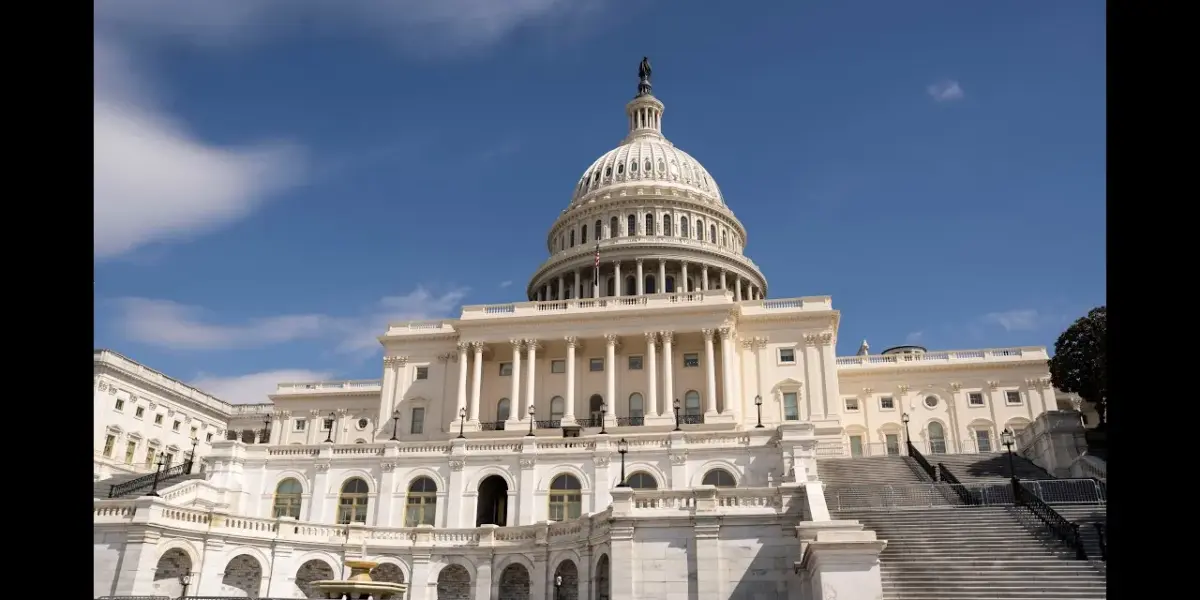
Congress Returns to a Packed and Perilous Agenda
Lawmakers are back on Capitol Hill this week, and their to-do list is long and complicated. One of the most urgent issues is the partial shutdown at the Department of Homeland Security, which has been going on for 59 days. This shutdown highlights the deep disagreements between Democrats and Republicans on how to handle border security and immigration.
Border Funding Standoff Continues
Democrats want to include reforms for Immigration and Customs Enforcement (ICE) in any funding bill. Republicans, however, are pushing back against a proposed ban on agents wearing masks. They argue that officers need to be able to protect themselves from activists who might try to reveal their identities online, a practice known as doxxing.
The situation is further complicated by the House Speaker, Mike Johnson, who has criticized a proposal that passed the Senate. Meanwhile, a short-term funding bill passed by the House is stuck in the Senate, leaving the department in limbo.
Spy Powers and a Massive Pentagon Budget Loom
Beyond the immediate crisis at Homeland Security, Congress has another critical deadline approaching on April 20th. They must decide whether to reauthorize Section 702 of the Foreign Intelligence Surveillance Act (FISA). This law gives the government broad powers to conduct surveillance on foreign targets, but it has raised concerns about the privacy of American data.
Bipartisan groups in Congress have expressed worries that the government might be overstepping its bounds and accessing information about U.S. citizens without proper warrants. Finding a way to balance national security needs with individual privacy rights is a major challenge.
Record Military Spending Proposed
Adding to the pressure, the White House is pushing Congress to approve a $1.5 trillion budget for the Pentagon. This amount represents the largest increase in military spending since World War II. Such a significant boost in defense funding will likely spark debate about national priorities and the country’s role in global affairs.
Why This Matters
The issues facing Congress right now are not just political talking points; they have real-world consequences. The ongoing shutdown at Homeland Security affects the daily operations of a critical government agency, potentially impacting border security and immigration services. The debate over Section 702 of FISA touches on fundamental rights to privacy for all Americans. Furthermore, the massive proposed increase in military spending raises questions about resource allocation and the nation’s focus on defense versus other domestic needs.
Historical Context
Funding battles and debates over surveillance powers are not new to Congress. Throughout history, lawmakers have grappled with how to balance security with liberty. The current discussions echo past arguments about government overreach and the limits of executive authority. The scale of the proposed Pentagon budget is particularly notable, drawing comparisons to wartime spending levels, which historically have led to significant shifts in national priorities and economic focus.
Trends and Future Outlook
The current gridlock over homeland security funding suggests that finding common ground on immigration and border policy will remain difficult. The debate over FISA reauthorization could lead to significant changes in how the U.S. conducts foreign intelligence gathering, potentially setting new precedents for digital privacy. The push for a record defense budget signals a potentially more assertive U.S. foreign policy stance. As lawmakers tackle these complex issues, the outcomes will shape national security, individual freedoms, and the country’s fiscal future for years to come.
The coming weeks will be crucial as Congress attempts to navigate these pressing matters. The decisions made now will determine whether essential government functions continue uninterrupted, how American privacy is protected in the digital age, and what resources are dedicated to national defense.
Source: Lawmakers Return From Recess–Here’s Their To Do List (YouTube)

Related Articles
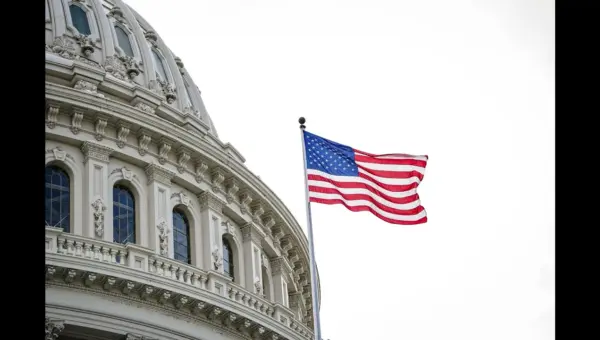
Congress Returns: Budget Battles, Iran Vote, and DHS Funding Loom
Congress is back to tackle a packed agenda, including budget battles, funding for Homeland Security, and a crucial vote on military action in Iran. Divisions over the filibuster and the balance of power in foreign policy are also on the table.
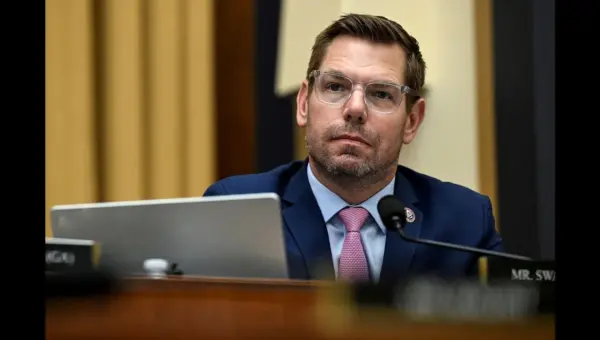
Congressman Quits Amid Serious Sexual Misconduct Claims
California Congressman Eric Swalwell has resigned from Congress following multiple sexual misconduct allegations. He denies the claims but cites the need to avoid distracting his constituents. Investigations are now underway by the House Ethics Committee and prosecutors.


Swalwell Resigns Amid Sexual Misconduct Allegations
Democratic Congressman Eric Swalwell has resigned from his seat and withdrawn from the California gubernatorial race following an explosive report detailing sexual misconduct allegations. Allies and staffers claim they were misled by repeated denials when questioning the congressman about his past. The sudden departure is expected to significantly alter the state's governor's race.