Chibok Girls: 12 Years Later, Dozens Still Missing
Twelve years after 276 girls were abducted by Boko Haram in Chibok, Nigeria, dozens remain missing. Many survivors face difficult reintegration, while kidnappings continue on a massive scale across the country, highlighting a persistent security crisis.

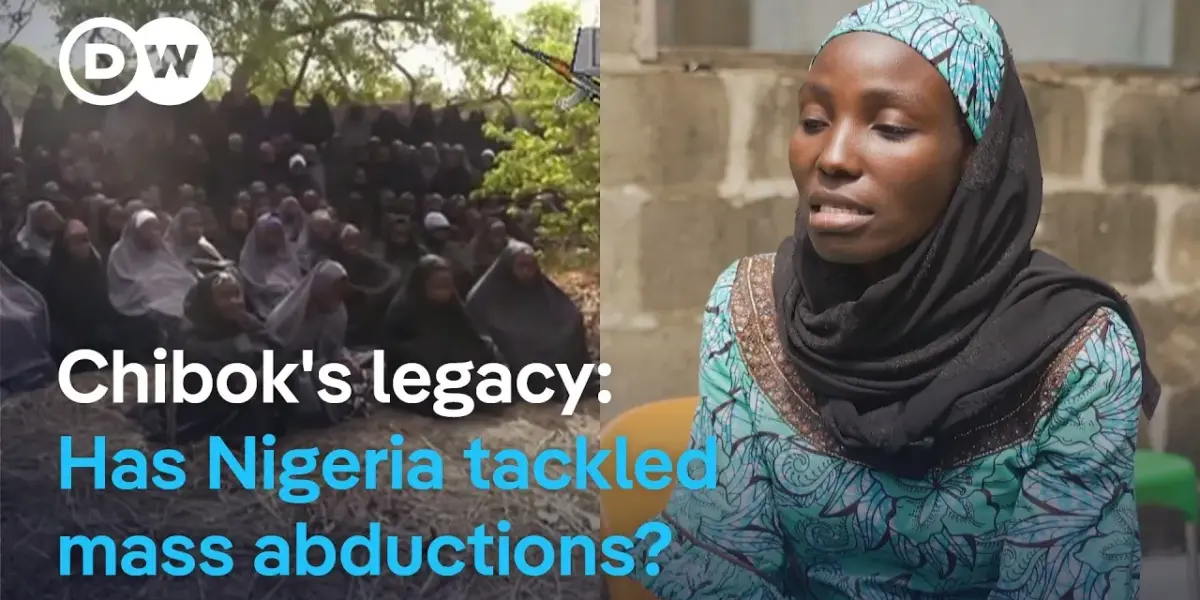
Nigeria Marks 12 Years Since Chibok Schoolgirls Kidnapping
Twelve years ago today, the world watched in horror as 276 schoolgirls were abducted from their dormitory in Chibok, Nigeria, by the militant group Boko Haram. While many of the girls have since been released or managed to escape, a heartbreaking number remain missing. This tragic event sparked a global outcry and the viral “Bring Back Our Girls” campaign, yet kidnappings continue to plague Nigeria, underscoring a persistent and devastating security crisis.
A Mother’s Unending Grief
Among the abducted was 17-year-old Hawa. Her mother, Ruth, has lived with a constant ache for the past 12 years. “Since Boko Haram took my daughter, I haven’t heard any news about her,” Ruth shared, her voice heavy with sorrow. “Life has been miserable for me and my family. I’m just crying and begging the world to please help rescue not only her, but the other girls, too.” Hawa would be 29 today. The stress of his daughter’s disappearance took a heavy toll on Ruth’s husband, leading to illness and his eventual death a few years ago, leaving Ruth to raise their nine other children alone. “Although we heard some died, I believe my daughter is still alive, and I pray she will return soon,” she said, clinging to hope.
The Difficult Road Home for Survivors
The ordeal does not end for those who manage to regain their freedom. Maryam, who was just 14 when she was taken, regained her liberty a decade ago. During her captivity, she had a child with a jihadist fighter. This reality has made her reintegration into her family incredibly difficult. “I love him, and then no matter how I found the boy, I still did that because he came out from my womb,” Maryam explained, referring to her child. “I thought okay, they would be happy to see me and welcome me, then nothing like that.” The pain of rejection from loved ones is profound. “If people like outside your family can do that, you wouldn’t mind, but people that you gave to, you feel bad,” she stated.
Global Outcry and Lingering Insecurity
The abduction of the Chibok girls thrust Boko Haram into the international spotlight and fueled the powerful “Bring Back Our Girls” movement, which garnered support from global figures like former U.S. First Lady Michelle Obama. However, the incident also marked a turning point, leading to a disturbing surge in mass abductions across Nigeria. Splinter groups and other criminal organizations have since adopted similar tactics, worsening insecurity in the northern regions and eroding public trust in the government’s ability to protect its citizens.
“We feel badly, particularly as a member of Bring Back Our Girls, where we stood firmly that if those girls were not brought back to us or to their family members, we will not disperse. If government will abide by what they say, by now all the adoption or kidnapping across the country would not have happened.”
For families still waiting, prayer has become their primary solace. “After such a long wait, they say that all that is left is prayer for the remaining Chibok girls, now women, still missing,” the report noted. “I feel bad about what happened. I can only be patient and continue to pray. I pray that if they came out, they should show them love, not to hurt them because of what happened to them, because it’s not their fault.” There is a deep-seated fear that the government may never locate the missing girls, and a growing concern that after so long, they may no longer wish to return.
Government Failures and Lack of Support
Isa Sanusi, Country Director for Amnesty International Nigeria, described the Chibok abduction as a “defining moment” that exposed the Nigerian government’s shortcomings in protecting children and schools. “It was so unfortunate that after Chibok girls, we have series of school abductions, where girls and boys were abducted,” Sanusi said. “And even last year it happened, and even this year it happened, and it means that we have not learned any lesson from what happened with the Chibok girls 12 years ago.” He criticized the lack of transparent accountability regarding the efforts to reunite the girls with their families. “A large number of them have been reunited with their families. A number of them have not been found, and a number of them no information about them,” he stated, adding that the incident highlights the government’s “failure to address ongoing security challenges.”
Inadequate Reintegration Services
The process of resettling returned girls is fraught with challenges, largely due to insufficient government support. “Nigerian government has not made any plan for them,” Sanusi explained. “We have always said that as Amnesty International that these girls must be provided with psychosocial care. They have to be provided with comprehensive health check. They have to be provided psychological support, and they have to be also be put through a trauma management process.” The absence of a clear protocol for reintegration is why cases like Maryam’s, where families reject daughters who return with children, occur. While some families have accepted their daughters and grandchildren, they struggle to adjust. “The support that we have been asking the government many times to provide has not been provided,” Sanusi lamented.
A Widespread Crisis of Kidnapping
The Chibok girls’ plight brought global attention, but kidnapping remains a pervasive and escalating problem across Nigeria. “Abduction is still going on. It is going on in large scale,” Sanusi warned. “And even this week we released a report which shows that from January to April, uh about 1,100 people have been abducted across Nigeria. That is in 3 months.” This represents a significant threat to life and human rights, preventing people from living without fear. “We believe that we in Nigeria now, we have what we call the crisis of abduction. Abduction for ransom, and some people are even abducted and killed in custody,” he added. “It’s a crisis that Nigerian government must confront, and they must confront it head on to make sure that it is addressed effectively.”
Resurgent Militancy and Profitable Crime
The perpetrators are not solely Boko Haram; numerous armed groups now engage in kidnapping as a lucrative business. Boko Haram itself is showing signs of resurgence, launching deadly attacks and regaining ground in Borno and Yobe states. These groups specifically target girls and young men, turning abduction into a “lucrative business.” Families are forced to sell their assets to pay ransoms, with abductors reportedly making millions daily. “Unfortunately, there was no way of stopping them,” Sanusi concluded, highlighting the immense scale of the challenge.
Looking Ahead
As Nigeria marks this grim anniversary, the focus remains on the unresolved fate of the missing Chibok girls and the ongoing wave of kidnappings. The call for effective government action, comprehensive support for survivors, and a robust strategy to combat the widespread insecurity is louder than ever. The world watches to see if lessons will finally be learned and if meaningful steps will be taken to ensure such tragedies are not repeated and that those still missing can be brought home.
Source: Twelve years on — where are Nigeria's missing Chibok girls? | DW News (YouTube)

Related Articles


China Faces Tough Choices: Iran Arms vs. Energy Needs
China faces a critical decision between arming Iran and securing its own energy needs amidst escalating U.S. pressure. Author Steven Moer discusses the strategic implications, China's economic challenges, and the importance of human rights in global diplomacy.


Congress Finds Overcrowded ICE Prison After Secret Visit
A surprise inspection by members of Congress at an ICE facility in Mesa, Arizona, revealed dangerous overcrowding and inhumane conditions. Lawmakers found detainees packed like sardines, with some sleeping on the floor without blankets, after initial reports suggested the facility artificially lowered its population for a previous announced visit.


China’s Organ Trade: A Global Threat We Can’t Ignore
China's alleged "industrialized killing" for organ harvesting is more than a distant human rights issue. This systematic practice, potentially targeting prisoners of conscience, raises global ethical concerns and hints at geopolitical implications. The West must confront its potential complicity and the erosion of human dignity this system represents.