Canada’s Boycott Deals Major Blow to U.S. Economy
Canada's organized boycott against U.S. tourism has resulted in a 22% drop in visitor spending, costing the U.S. billions. This economic pressure, driven by political sentiment, is impacting states like Nevada and Florida and inspiring similar global movements.

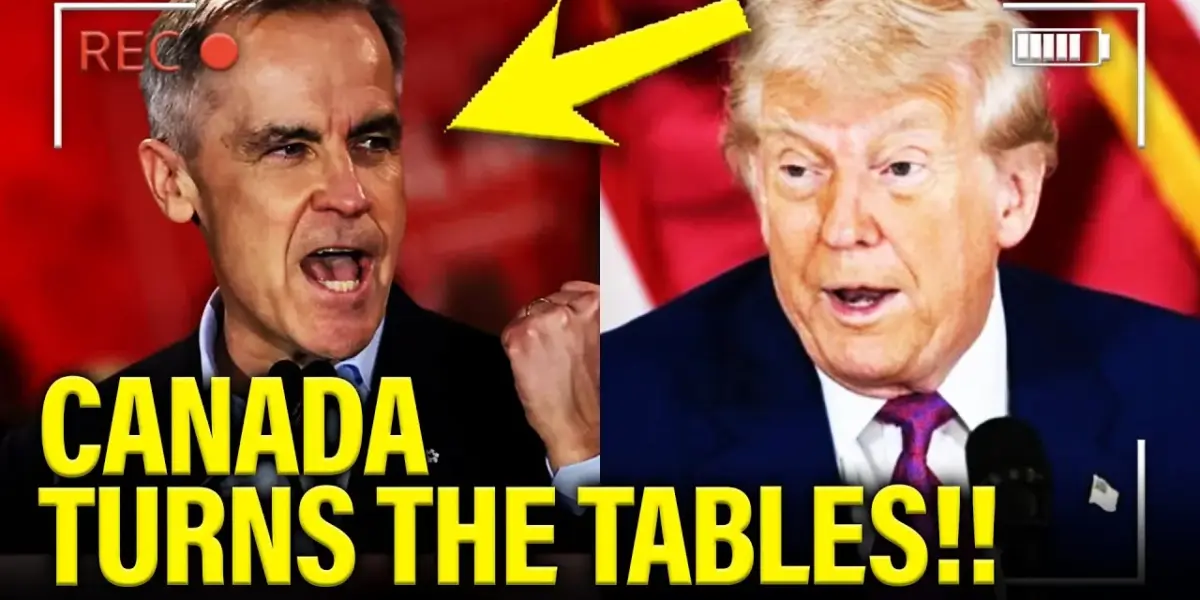
Canada’s Boycott Deals Major Blow to U.S. Economy
Canada has taken a strong stance against policies associated with Donald Trump, leading to a significant drop in tourism and spending in the United States. This boycott, initially focusing on consumer choices like wine and bourbon, has grown into a powerful economic tool. The impact is being felt across various U.S. states, with predictions of a 10% decline in Canadian tourism to the U.S. actually resulting in a much larger 22% drop.
This decline has translated into a substantial economic hit, costing the U.S. billions in visitor spending. The movement is also inspiring similar sentiments globally, with discussions about boycotting events like the World Cup in the United States gaining traction. This suggests a broader trend of international dissatisfaction affecting U.S. economic prospects.
Political Context and Canadian Leadership
The effectiveness of this boycott is occurring alongside significant political developments in Canada. Prime Minister Justin Trudeau’s Liberal Party recently secured a majority government, a move that some believe could be further strengthened by calling a snap election. This political stability provides a strong platform for continuing Canada’s assertive foreign policy and economic strategies.
Prime Minister Trudeau has spoken powerfully about the boycott’s success, highlighting how Canadians are rediscovering their own country by choosing domestic products and travel destinations. This shift not only impacts the U.S. economy but also strengthens Canada’s national identity and internal markets.
Economic Impact on U.S. Regions
Forbes data confirms the significant economic blow to the U.S. economy, noting that the Canadian travel boycott is sustained and shows no signs of reversing soon. This has direct consequences for states heavily reliant on Canadian tourism, such as Nevada and Florida.
In Las Vegas, for instance, Canadians normally account for 44% of all global air traffic, spending billions and supporting tens of thousands of jobs. The current decline has led to a significant drop in this spending, impacting local businesses and employment. Some reports suggest the unemployment rate in Nevada has risen due to this downturn.
A Stand for Principles Over Deals
Canadian officials and citizens involved in the boycott emphasize that their actions are not about seeking discounts but about upholding principles of law and democracy. The message is clear: the sovereignty and values of Canada are not for sale, even if it means foregoing cheaper travel or goods.
This principled stand is leading to a dramatic shift, with Canadians choosing not to visit states perceived as aligning with certain political agendas. Destinations like Florida, Arizona, and Nevada are reportedly losing Canadian visitors, impacting border communities like Niagara Falls, New York, which depend on cross-border traffic.
Domestic Benefits and Global Solidarity
While the U.S. economy faces losses, Canada is experiencing a surge in domestic tourism and a strengthened sense of national unity. Canadians are increasingly choosing to explore their own country, boosting local economies and fostering a stronger national identity.
The boycott’s success has also garnered international attention and support. Representatives from Australia have reached out, expressing solidarity and noting the rise of similar political movements in their own country. This suggests the Canadian boycott might serve as a model for others seeking to exert economic pressure against perceived harmful political trends.
Expert Analysis and Future Outlook
Experts in the travel industry confirm the unprecedented nature of the Canadian boycott. Amir Alon, President and CEO of Longwoods International, stated that in his 37 years, he has never seen anything like what Canadians have achieved. The numbers clearly show a significant drop in Canadian travel to the U.S., with more Canadians now flying to overseas destinations than driving south.
The financial impact is stark: in 2024, Canadian tourists injected $20.5 billion into the U.S. economy. Even a modest 10% reduction was predicted to cost $2.1 billion and 140,000 jobs.
However, the actual decline has been around 22%, translating to a loss of approximately $4.5 billion in visitor spending. This sustained economic pressure raises questions about future global reactions to U.S. policies and the potential for broader boycotts, especially concerning major international events like the World Cup.
Why This Matters
This situation highlights the growing power of consumer and national boycotts as tools of political and economic influence. It demonstrates that a unified national stance, supported by political leadership and citizen action, can have significant repercussions on international economies.
The trend suggests that international relations may increasingly be shaped by public sentiment and targeted economic actions, moving beyond traditional diplomatic channels. This could lead to greater accountability for national policies on a global scale.
Historical Context and Trends
Historically, boycotts have been potent weapons, from the Montgomery Bus Boycott to international sanctions against apartheid South Africa. Today, information spreads rapidly, allowing movements to gain momentum and coordinate actions more effectively than ever before. The Canadian boycott against the U.S. is a modern iteration of this tactic, amplified by social media and a shared sense of political grievance.
The current situation also reflects a broader global unease with certain political ideologies and their perceived impact on international cooperation and democratic values. Canada’s actions are framed not just as a response to specific policies but as a defense of broader principles, resonating with a segment of the global population.
Future Outlook
The ongoing success of the Canadian boycott suggests that such economic pressures could become a more common feature of international relations. As more countries and populations feel empowered to act collectively, the U.S. may face continued economic challenges stemming from its political positioning.
The potential for a global boycott against events hosted in the U.S., such as the World Cup, remains a significant concern. The coming years will likely show whether this trend of using economic leverage to influence political outcomes continues to grow. As of early 2025, the economic impact is substantial and ongoing, with no clear signs of reversal.
Source: FURIOUS Canada PUTS THE DAGGER in Trump and TURNS THE TABLES!!!! (YouTube)

Related Articles

Mayor Mamdani Delivers on Promises, Tackles Budget Woes
Mayor Zohran Mamdani outlined progress on his campaign promises, including universal childcare and faster buses, during his first 100 days. He is addressing a $5.4 billion budget shortfall through progressive taxation and plans for city-run grocery stores. Mamdani also discussed his productive relationship with President Trump and his commitment to New York City.
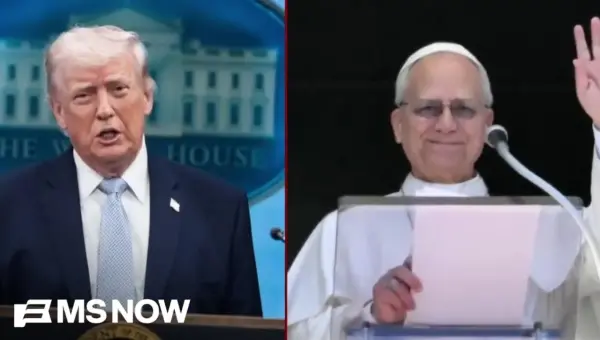
Trump’s Divine Claims Fuel Feud with Pope Francis
Former President Donald Trump has escalated his feud with Pope Francis by sharing an AI image of himself as a Jesus-like figure and planning a marathon Bible reading. Analysts suggest his actions are fueled by those around him who encourage him to see himself as divinely appointed, a sentiment echoed by some political allies.
GOP Rebels Defy Trump on Surveillance Bill
Twenty Republican lawmakers defied President Trump this week, voting against a renewal of the Foreign Intelligence Surveillance Act (FISA). The dissent forced a short-term extension of the law and signals growing divisions within the GOP, raising questions about Trump's influence. This rebellion highlights internal power struggles and principled stands on surveillance within the party.