Iran Escalates: US Ship Hit, Jets Downed Amidst Bombardment
Iran has escalated hostilities, bombing a critical U.S. oil tanker and having multiple fighter jets shot down. This marks a significant increase in conflict, with widespread strikes reported across Iran and strong U.S. military statements indicating further escalation.

Iran Escalates: US Ship Hit, Jets Downed Amidst Bombardment
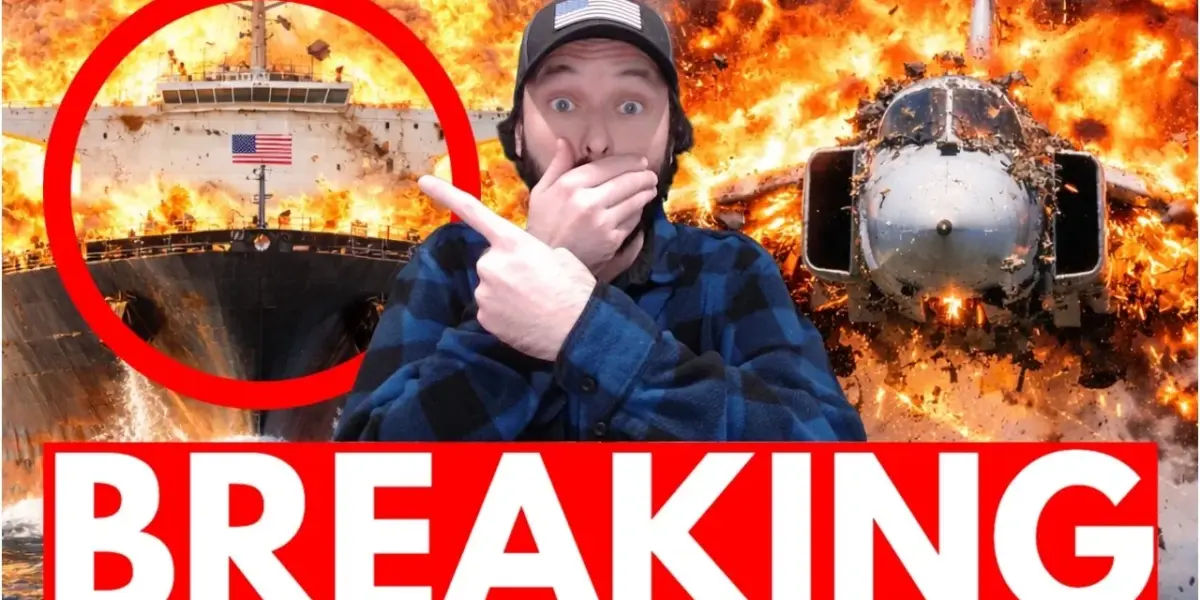
In a significant escalation of ongoing hostilities, a U.S. flag bulk oil tanker, the Stina Imperative, has been struck by Iranian military forces. The vessel, a critical component of the U.S. Navy’s tanker security program, was attacked while docked at the port of Bahrain. This incident marks a dramatic increase in the conflict, as the ship is one of only ten specially protected vessels tasked with ensuring fuel delivery for military operations during global conflicts and national emergencies. The attack, which involved bombs, missiles, and drones, resulted in fires aboard the tanker, though reports indicate it has not sunk. The full extent of the damage remains unclear, but the targeting of such a vital asset signals a new, more aggressive phase in the confrontation.
A Direct Challenge to U.S. Logistics
The Stina Imperative’s role in maintaining U.S. military readiness cannot be overstated. Its inclusion in a program designed to guarantee fuel access in volatile zones means that any threat to its operational capacity is a direct challenge to the logistical backbone of American power projection. The fact that this ship was attacked while docked in Bahrain, a region strategically vital to U.S. interests, further underscores the audacity of the Iranian military’s actions. This incident is being framed by some as a “massive escalation,” with the implication that a strong, retaliatory response from the United States is inevitable and likely to be severe.
Iranian Air Power Tested
Adding to the developing narrative, reports from the Qatar Ministry of Defense indicate that multiple Iranian fighter jets and ballistic missiles were intercepted and shot down. Specifically, two Sukhoi Su-24 fighter jets, described as old Soviet-produced aircraft, were reportedly downed by Qatari air defenses after launching from Iran and attempting to approach Qatar. In addition to the aircraft, seven ballistic missiles and five drones were also reportedly neutralized. The ability of Iran to still field fighter jets at this stage of the conflict is noted, though their obsolescence is also highlighted. The successful interception by Qatari forces suggests that Iranian air and missile capabilities are facing significant challenges.
Widespread Strikes Across Iran
Compounding these developments, footage has emerged depicting extensive aerial bombardment targeting various locations within Iran. Reports detail significant explosions in areas including the Kurdistan Border Command near Sanjage airport, the Janette Abad district in Tehran, and Isfahan. The scale of the strikes, described as “non-stop attacks” and “unrelenting fashion,” suggests a broad and sustained air campaign. Visual evidence shows massive plumes of smoke and multiple explosions, indicating substantial damage to the targeted areas. The effectiveness of current Iranian air defense systems, including those reportedly supplied by China and Russia, is being questioned in light of these persistent strikes.
Targeting of Iranian Military Infrastructure
The nature of the targets appears to be focused on Iran’s military infrastructure. U.S. Central Command has released footage showing the destruction of an Iranian missile launcher, preventing it from firing. Additionally, an air defense system, believed to be Russian-provided, has reportedly been bombed and disabled. The Israeli Defense Forces (IDF) are also reported to have found and destroyed a Khashar ballistic missile before it could be launched. These actions indicate a deliberate effort to degrade Iran’s offensive and defensive military capabilities.
Rescue of Downed Pilots and Official Statements
In a separate, albeit related, incident, footage has surfaced showing Kuwaiti locals rescuing one of the pilots from an F-15 aircraft that was reportedly shot down in a friendly fire incident. The pilot, described as a female, was assisted and safely transported to a military base. The actions of the Kuwaiti citizens in providing aid and protection have been commended. Meanwhile, high-ranking U.S. military officials have issued strong statements regarding the ongoing conflict. General Dan Kaine, Chairman of the Joint Chiefs of Staff, declared a commitment to “crush the Iranian regime,” emphasizing the U.S. military’s capacity to engage, sustain, and scale operations to achieve victory. Former President Donald Trump, speaking on CNN, described the ongoing strikes as highly effective, stating that “we haven’t even started hitting them hard” and that a “big wave is coming soon,” signaling further intensification of military action.
Why This Matters
This series of events signifies a dangerous escalation with potentially far-reaching consequences. The direct targeting of a U.S. military logistics asset like the Stina Imperative moves beyond proxy conflicts and into direct confrontation. The reported downing of Iranian fighter jets and missiles, coupled with widespread strikes on Iranian soil, suggests a significant shift in the military balance. The rhetoric from U.S. leadership, both current and former, indicates a resolve to not only retaliate but to decisively dismantle Iran’s military capabilities. This heightened state of conflict raises concerns about regional stability, the potential for a wider war, and the impact on global energy markets, given the critical role of oil tankers in international trade.
Implications, Trends, and Future Outlook
The current trajectory suggests an increasingly attritional conflict. Iran’s willingness to directly target U.S. assets, even if logistical, indicates a high degree of defiance, possibly fueled by perceived successes in asymmetric warfare or by domestic political pressures. The U.S. response, characterized by overwhelming force and a stated intent to “crush” the regime, points towards a strategy of decisive military action rather than de-escalation. The mention of advanced weaponry and the continuous air campaign suggests the U.S. is leveraging its technological superiority. The future outlook is one of continued and likely intensified military engagement. The “big wave” alluded to by former President Trump could involve broader ground operations, more sophisticated cyber warfare, or even further strategic strikes aimed at crippling Iran’s leadership and infrastructure. The involvement of regional allies, such as Qatar and Kuwait, in defense and rescue operations highlights the complex geopolitical landscape and the potential for broader regional involvement.
Historical Context and Background
The current tensions between the U.S. and Iran have deep historical roots, stemming from the 1979 Iranian Revolution, the subsequent hostage crisis, and decades of proxy conflicts and diplomatic standoffs. The U.S. Navy’s presence in the Persian Gulf has been a constant feature, aimed at ensuring freedom of navigation and protecting regional allies. Iran, under its theocratic regime, has consistently viewed the U.S. as a primary adversary, employing asymmetric tactics, supporting regional militias, and developing ballistic missile programs as a deterrent and a means of projecting power. Recent years have seen a pattern of escalating incidents, including attacks on oil tankers in the Strait of Hormuz, drone shootdowns, and retaliatory strikes. The current events represent a qualitative leap in the intensity and directness of these confrontations, moving beyond the shadow war into a more overt military engagement.
Source: Iran BOMBS U.S. Ship – Fighter Jets VAPORIZED (YouTube)

Related Articles
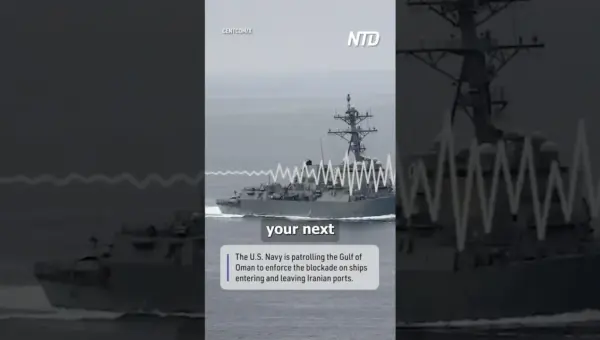
Navy Tightens Grip: US Enforces Strict Blockade on Iran
The US Navy has formally declared a blockade on Iranian ports, warning all vessels to turn back or face boarding and seizure. This significant move aims to exert economic and political pressure on Iran, with explicit threats of force for non-compliance.
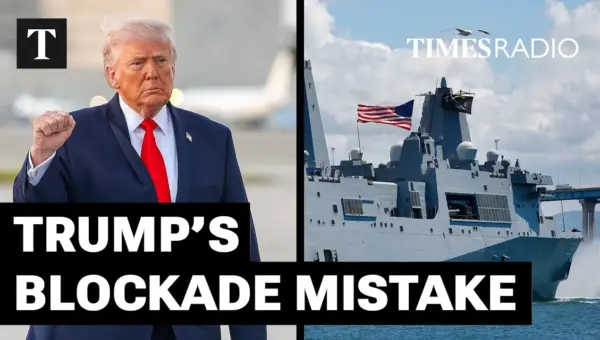
Iran Blockade Sparks War Concerns, Backfires on US, Expert Warns
The U.S. blockade on Iranian ports, aimed at crippling its economy, is sparking concerns of an "act of war" and may backfire, according to former diplomat Barbara Leaf. While the U.S. and Iran prepare for potential peace talks, hardline rhetoric and the blockade's global economic impact complicate diplomatic efforts. A key concern is a potential confrontation with China if U.S. forces intercept Chinese vessels.
US Markets Surge as Iran Tensions Ease, Oil Prices Steady
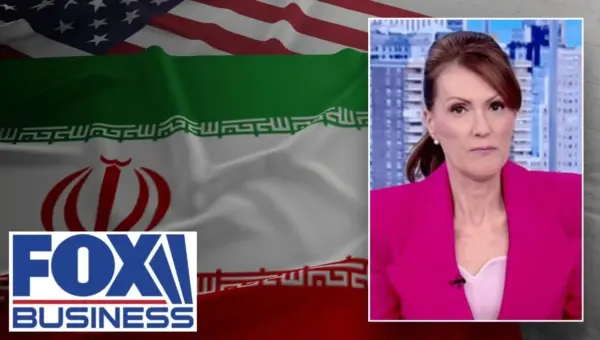
U.S. stock markets are hitting new highs as tensions with Iran ease, with the S&P 500 reaching record levels. Despite persistent oil prices around $92 a barrel, the U.S. economy shows resilience, boosted by record oil exports. The focus is shifting to the economic confrontation with Iran, including the non-renewal of oil sales waivers, and long-term strategies to bypass the Strait of Hormuz.