Trump Demands Iran Regime Change After Strikes
President Donald Trump has called for regime change in Iran following recent U.S. and Israeli strikes, warning of potential American casualties. The remarks were made during a Medal of Honor ceremony at the White House, highlighting the administration's aggressive stance amid escalating geopolitical tensions.

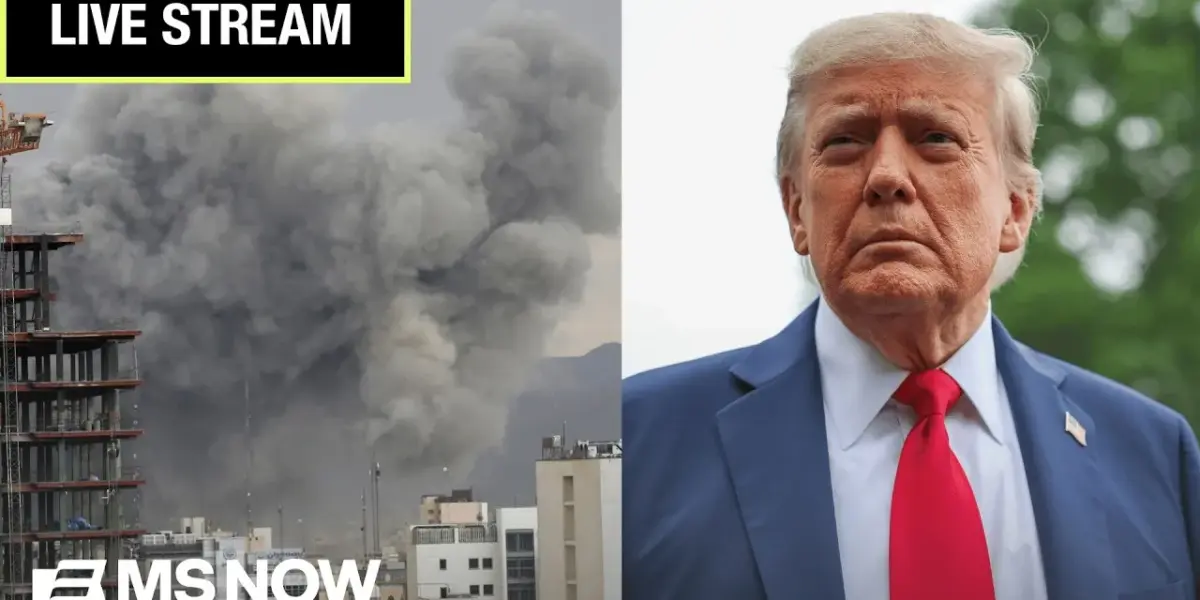
Trump Calls for Iran Regime Change Post-Strikes
President Donald Trump has explicitly called for regime change in Iran following U.S. and Israeli military strikes on the nation. The stark warning, issued over the weekend via a video posted online, signals a significant escalation in rhetoric and potentially policy towards Tehran. The remarks come just two days after the coordinated strikes, which have placed a renewed spotlight on U.S. military operations and geopolitical tensions in the Middle East.
Medal of Honor Ceremony Amidst Escalation
The President’s forceful statements on Iran were made in the context of a solemn ceremony at the White House, where he awarded the Medal of Honor to three American soldiers, two of whom were recognized posthumously. This juxtaposition of honoring military bravery with issuing a direct call for the overthrow of a foreign government underscores the complex and high-stakes environment in which the Trump administration is currently operating.
Warning of American Casualties
In his video address, President Trump did not shy away from the potential consequences of the escalating conflict, warning of expected American casualties. This acknowledgment highlights the administration’s awareness of the risks involved in military actions against Iran and the human cost that may follow. The explicit mention of potential casualties serves as both a grim forecast and a stark reminder of the dangers inherent in international military engagements.
Broader Geopolitical Context
The recent strikes and President Trump’s subsequent pronouncements on regime change occur against a backdrop of long-standing animosity between the United States and Iran. Tensions have been particularly high since the U.S. withdrawal from the Joint Comprehensive Plan of Action (JCPOA) in 2018 and the reimposition of stringent sanctions. Iran has consistently denied U.S. allegations of destabilizing activities in the region, including its support for various militant groups.
The U.S. has accused Iran of a range of aggressive actions, from attacks on oil tankers in the Persian Gulf to the downing of a U.S. drone. Iran, in turn, views U.S. military presence and alliances in the region as provocations. This cycle of actions and reactions has created a volatile situation, with the recent strikes representing a significant escalation.
Implications of Regime Change Rhetoric
President Trump’s direct call for regime change in Iran is a departure from typical diplomatic language and signals a more aggressive stance. Historically, U.S. policy has often focused on containment and deterrence rather than explicit calls for internal political upheaval in other nations. Such rhetoric carries significant implications:
- Increased Regional Instability: A strong emphasis on regime change could further inflame regional tensions, potentially drawing in other actors and exacerbating existing conflicts.
- Domestic Impact in Iran: The call could be used by the Iranian government to rally domestic support against an external threat, potentially strengthening the very regime the U.S. seeks to undermine.
- International Reaction: Allies and adversaries alike will be closely watching the U.S. response. Some may view it as a necessary assertion of American power, while others might express concern over potential destabilization and the erosion of international norms.
- Uncertainty of U.S. Goals: The explicit pursuit of regime change raises questions about the long-term strategy of the U.S. beyond immediate military actions. What would a post-regime change Iran look like, and what is the U.S. plan for managing such a transition?
A Solemn Tribute Amidst Global Concerns
The Medal of Honor ceremony, while a moment of national pride and remembrance, serves as a poignant reminder of the sacrifices made by American service members. Awarding the nation’s highest military honor during a period of heightened international tension, especially following military strikes and explicit calls for regime change, underscores the gravity of the current geopolitical moment. The bravery of the honorees stands in stark contrast to the complex and potentially perilous diplomatic and military landscape.
Looking Ahead
The coming days and weeks will be crucial in determining the trajectory of U.S.-Iran relations. All eyes will be on whether President Trump’s rhetoric translates into further concrete actions, how Iran responds to both the strikes and the call for regime change, and the reactions from international powers. The administration’s next moves, coupled with the ongoing situation on the ground in the Middle East, will be critical in shaping the future of this volatile relationship.
Source: BREAKING: Trump speaks about Iran strikes (YouTube)

Related Articles
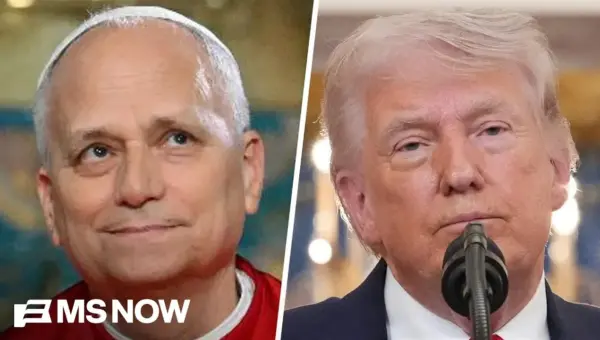
Trump’s Jesus Meme Sparks Outrage Among Religious Supporters
Donald Trump's sharing of a meme depicting him as Jesus Christ has ignited backlash from religious supporters, who also cite his feud with Pope Francis. This has led some to feel "duped," questioning his motives and fitness for leadership.

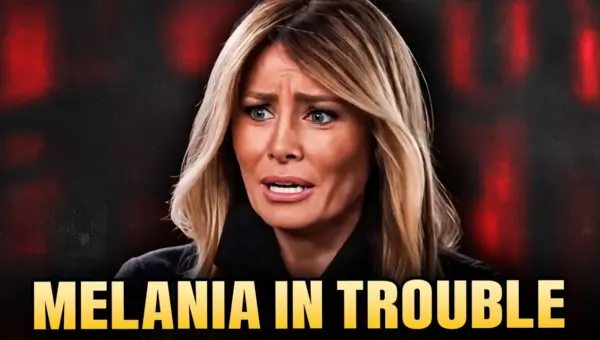
FBI Docs Contradict Melania’s Epstein Introduction Claims
Newly surfaced FBI documents challenge Melania Trump's recent claims about not being introduced to Donald Trump by Jeffrey Epstein. Witness testimony suggests Epstein facilitated the introduction, contradicting Melania's public statements and raising questions about her associations and those of figures like Paulo Zampoli.
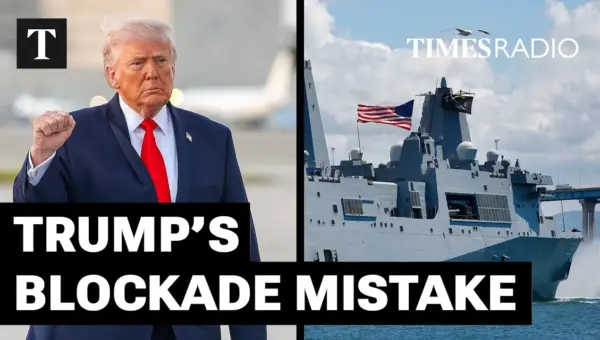
Iran Blockade Sparks War Concerns, Backfires on US, Expert Warns
The U.S. blockade on Iranian ports, aimed at crippling its economy, is sparking concerns of an "act of war" and may backfire, according to former diplomat Barbara Leaf. While the U.S. and Iran prepare for potential peace talks, hardline rhetoric and the blockade's global economic impact complicate diplomatic efforts. A key concern is a potential confrontation with China if U.S. forces intercept Chinese vessels.