Epstein Files: Trump Faces Mounting Pressure to Testify
The Epstein files have ignited a political firestorm, with Democrats leveraging Bill Clinton's testimony to pressure Donald Trump into appearing before Congress. Critics question Trump's past deflections and the ongoing withholding of key documents, demanding full transparency.

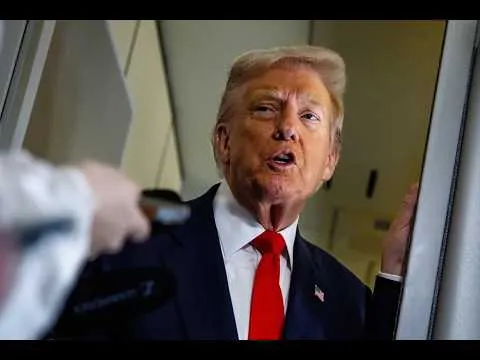
Epstein Files: Trump Faces Mounting Pressure to Testify
The ongoing release of documents related to Jeffrey Epstein’s sex trafficking ring has ignited a political firestorm, drawing in former presidents and placing unprecedented pressure on Donald Trump to testify. What began as an effort by Republicans to scrutinize Bill Clinton has, ironically, created a precedent that Democrats are now leveraging to demand answers from Trump himself.
The Clinton Precedent and the ‘New Clinton Rule’
Former President Bill Clinton recently testified behind closed doors before the House Oversight Committee regarding his connection to Epstein. While the transcript is still under wraps, the narrative emerging from some lawmakers is that Clinton answered every question posed, setting a new standard, dubbed the ‘new Clinton rule.’ This development has empowered Democrats to argue that if a former president can be compelled to testify, so too should Donald Trump.
Congressman Robert Garcia, speaking on the matter, emphasized the importance of transparency. “The point though is that President Clinton has set a precedent, a new Clinton rule. That means that Donald Trump should do the same. Answer the questions.” He further stated that individuals like Howard Lutnik, who has been involved with Epstein, should also be subpoenaed and compelled to testify under oath about their knowledge and any correspondence related to Epstein’s activities.
The Push for Trump’s Testimony
While acknowledging that the current Republican-controlled House may not have the votes to subpoena Trump, Garcia expressed confidence that this would change under Democratic leadership. “When Robert Garcia is chair of the oversight committee, we will have those votes. And the Clinton rule means that Donald Trump and his family members should testify. And by the way, he should do it voluntarily.”
The argument is that Trump, who is mentioned extensively in the Epstein files, has a greater obligation to provide direct testimony than anyone else. “He appears in the Epstein files next to next to Jeffrey Epste and Gain Maxwell almost more than anybody else,” stated Garcia. “So, it’s time for the president to answer questions about why files are missing from the DOJ, why there’s been a White House cover up and why we continue in that administration to call this investigation a hoax.”
Trump’s Past Statements and Deflections
The transcript reveals Trump’s prior reaction to the prospect of Bill Clinton testifying. “I don’t like seeing him deposed,” Trump said, a statement that observers now view as prescient, given the precedent it has established. The irony is not lost on those calling for Trump’s testimony: the very situation he seemed to dislike has now paved the way for his own potential subpoena.
Trump’s responses when questioned about Epstein have been characterized by deflection and dismissal. In one instance, when asked about his relationship with Epstein and alleged knowledge of underage girls, Trump responded, “I know nothing about that.” He has also expressed frustration with the continued focus on Epstein, suggesting it’s a distraction from other pressing issues and that he has already been “fully exonerated.” His interactions with reporters asking about the files have often been confrontational, with accusations of dishonesty and personal attacks.
Accusations of a Cover-Up and Lack of Transparency
Critics argue that Trump’s deflections and the handling of the released documents point to a deliberate attempt to conceal information. The withholding of three FBI interviews related to allegations against Trump, despite the release of one, has raised particular concern. “Why are they hidden? When will they be released? These are the types of questions Donald Trump needs to answer,” one commentator asserted.
The argument that Trump has been transparent is met with strong counterpoints. “Answering questions about Epstein by lying is not transparency. It’s just lying,” one critic stated. The sheer volume of documents, with millions reportedly still unreleased, further fuels skepticism. The notion that Trump’s dismissive remarks constitute transparency is seen as a partisan echo of a ‘cult of personality’ rather than a genuine commitment to accountability.
Historical Context and the Epstein Investigation
The Epstein investigation has a long and complex history, involving numerous powerful individuals. The initial efforts to bring Epstein to justice were protracted, and the subsequent release of documents is a culmination of years of legal proceedings and public interest. The precedent of compelling high-profile figures, including former presidents, to testify is a significant development in how such investigations are handled and perceived by the public.
Why This Matters
The Epstein scandal touches upon profound issues of power, privilege, and accountability. The demand for transparency in this case is not merely about uncovering past transgressions but about ensuring that no individual, regardless of their status, is above scrutiny. The ‘new Clinton rule’, born from the very situation Republicans may have sought to exploit, highlights the unpredictable nature of political strategies and the potential for actions to have unintended consequences.
Implications, Trends, and Future Outlook
The escalating calls for Trump’s testimony signal a trend towards greater public demand for accountability from political figures implicated in scandals. The Epstein files have become a litmus test for transparency, and the way this situation unfolds will likely influence future investigations involving public figures. The debate over whether to release unedited deposition videos and transcripts also points to a broader discussion about the public’s right to know versus privacy concerns.
The political maneuvering surrounding the Epstein files underscores the deep partisan divides in the United States. While Democrats emphasize the need for full disclosure and accountability, some Republicans appear more focused on deflecting attention or framing the issue as a partisan attack. The future outlook suggests that the Epstein scandal will continue to be a focal point, with ongoing legal and political battles likely to shape public perception and potentially impact future elections.
Source: Trump hit with Epstein news he TRIED TO AVOID (YouTube)

Related Articles


FBI Docs Contradict Melania’s Epstein Introduction Claims
Newly surfaced FBI documents challenge Melania Trump's recent claims about not being introduced to Donald Trump by Jeffrey Epstein. Witness testimony suggests Epstein facilitated the introduction, contradicting Melania's public statements and raising questions about her associations and those of figures like Paulo Zampoli.
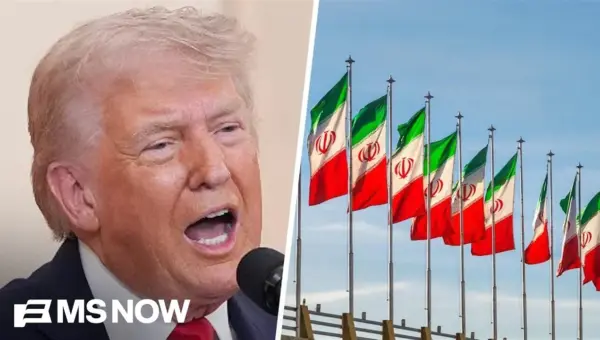
Iran War Disliked, But Public Outrage Muted: Analysts Weigh In
Despite widespread disapproval of the Iran war, public protests remain muted in the US. Analysts cite fear of reprisal, the prolonged nature of anti-war movements, and America's energy independence as key factors. The conflict's economic impact and the lack of clear objectives continue to fuel public skepticism, though widespread suffering is not yet felt domestically.


Trump’s Blockade Fails, Allies Shun Mission: A Pattern?
A reported failure of Donald Trump's blockade of the Strait of Hormuz, with ships passing through unimpeded, raises questions about policy effectiveness. This incident, coupled with allies' reluctance to join the mission, suggests a pattern of unintended consequences and strained international relations.